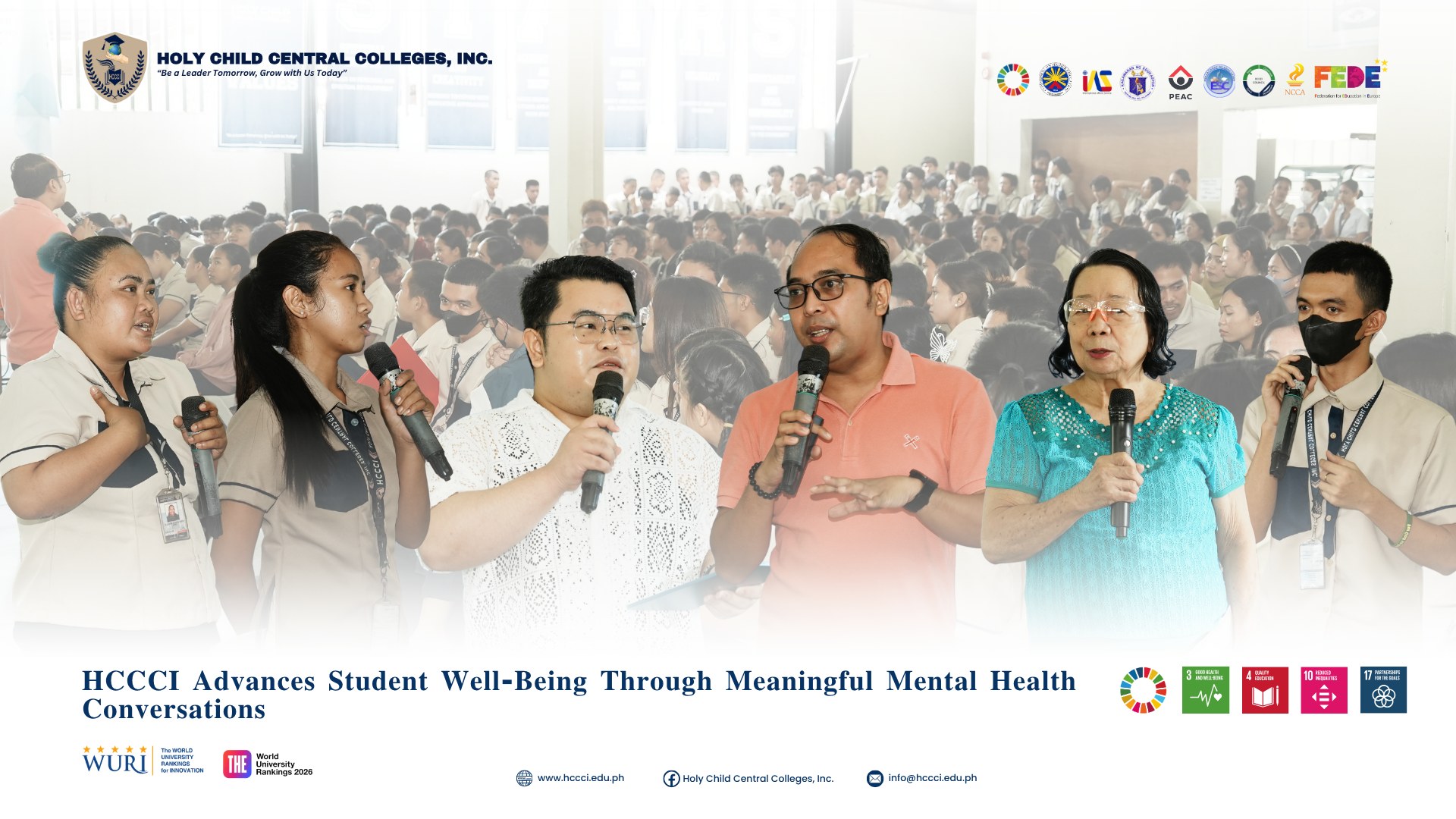
𝐇𝐂𝐂𝐂𝐈 𝐀𝐝𝐯𝐚𝐧𝐜𝐞𝐬 𝐒𝐭𝐮𝐝𝐞𝐧𝐭 𝐖𝐞𝐥𝐥-𝐁𝐞𝐢𝐧𝐠 𝐓𝐡𝐫𝐨𝐮𝐠𝐡 𝐌𝐞𝐚𝐧𝐢𝐧𝐠𝐟𝐮𝐥 𝐌𝐞𝐧𝐭𝐚𝐥 𝐇𝐞𝐚𝐥𝐭𝐡 𝐂𝐨𝐧𝐯𝐞𝐫𝐬𝐚𝐭𝐢𝐨𝐧𝐬
Around 300 HCCCI students took part in a focused conversation on mental health, resilience, and help-seeking as Holy Child Central Colleges, Inc. (HCCCI), through its Guidance and Testing Center, conducted the student mental health seminar “It’s Okay to Ask for Help: Breaking the Stigma, Building Resilience, and Promoting Student Well-Being” on September 10, 2026.
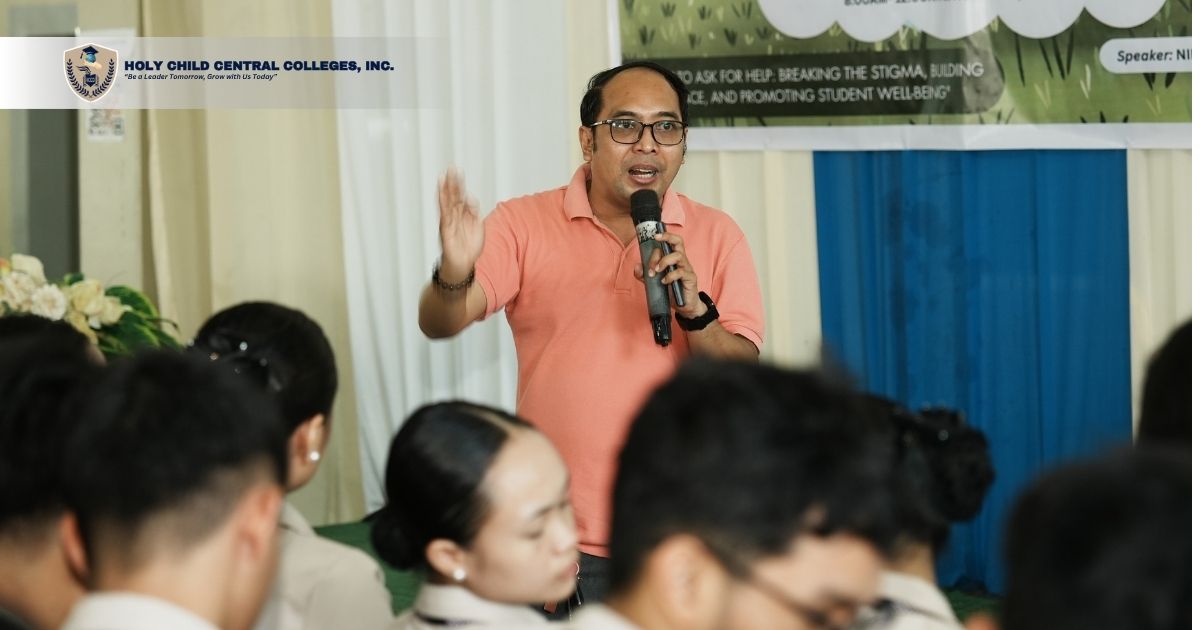
The seminar formed part of the Guidance and Testing Center’s Mental Health Program for Students, which seeks to strengthen mental health awareness, encourage early help-seeking, and provide students with practical knowledge for navigating emotional and psychological challenges commonly experienced during college life.
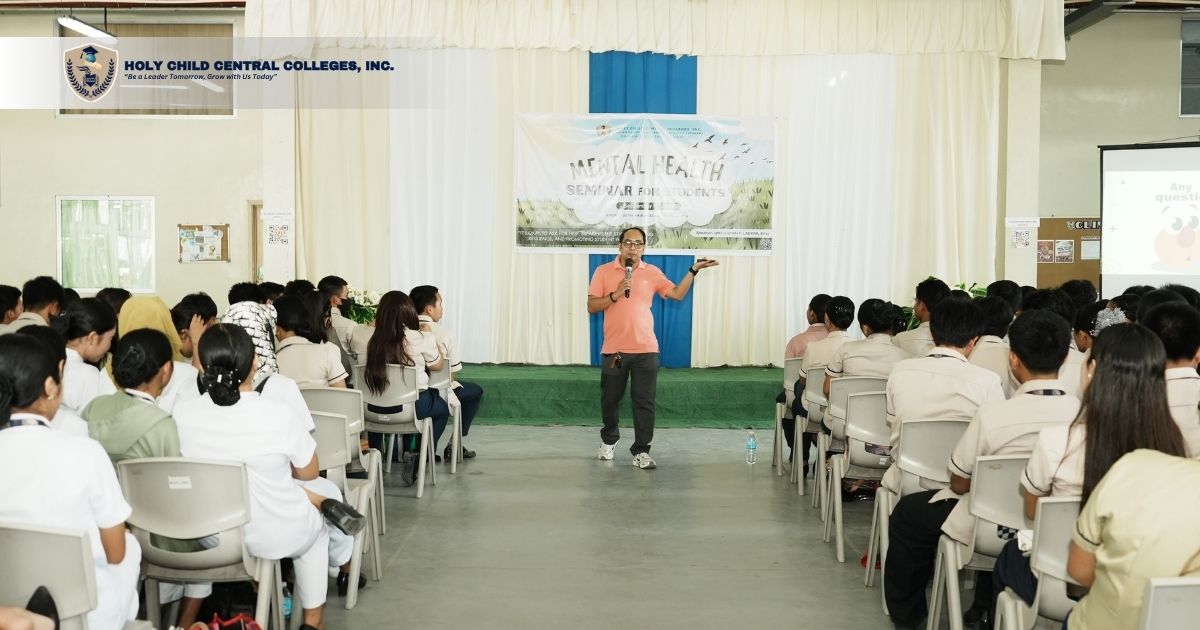
Serving as the invited resource person was Nikko Lynn E. Ladera, RPsy, who shared professional perspectives on mental health and student well-being. His discussion helped students better understand emotional challenges, recognize when they may need support, and develop healthier ways of responding to stress and other difficulties.
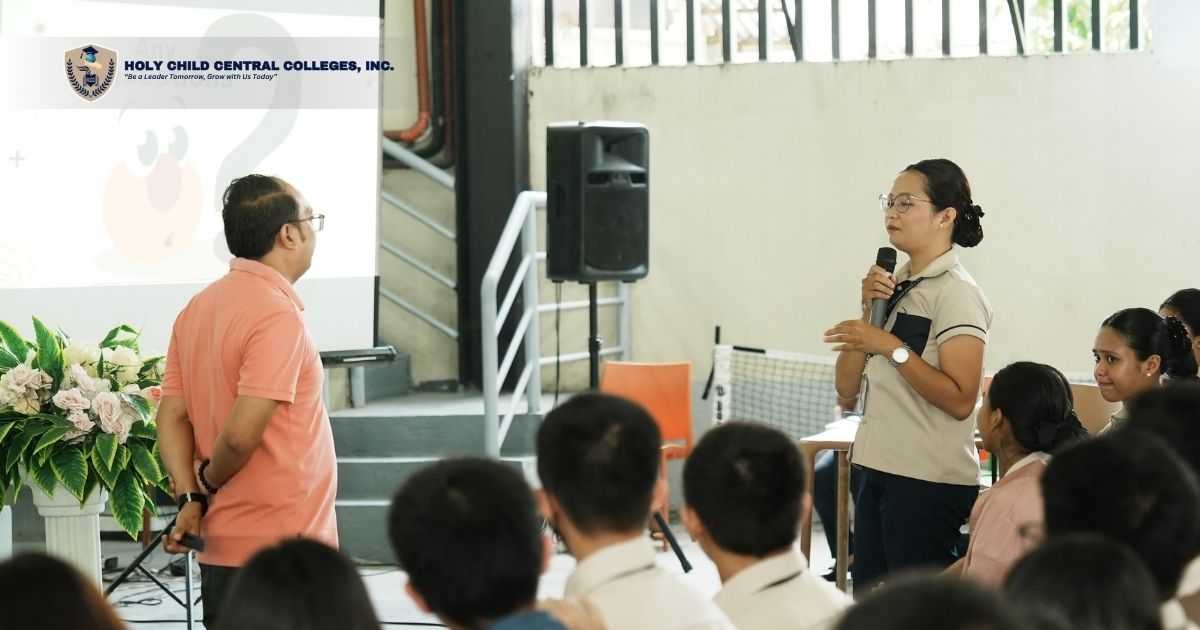
Key discussions covered mental health facts and misconceptions, signs of stress and burnout, anxiety and other emotional concerns, healthy coping strategies, self-care, and resilience-building. Students were also introduced to the mental health services and support mechanisms available through the Guidance and Testing Center, reinforcing that seeking professional or institutional support is an important part of caring for one’s well-being.
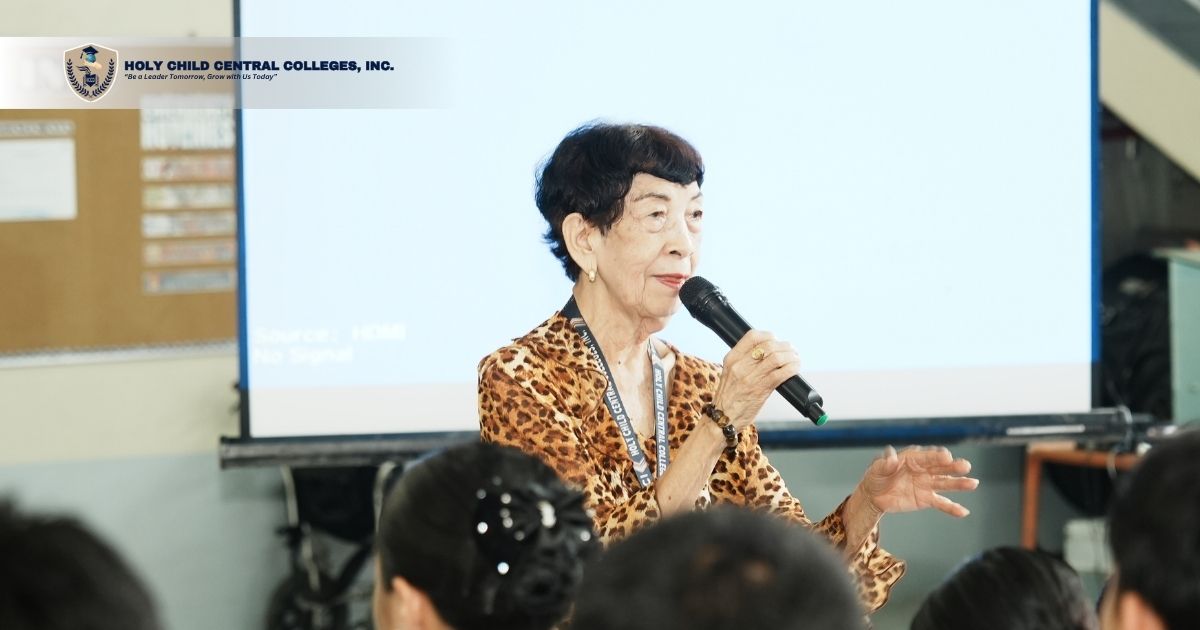
The seminar placed particular emphasis on breaking the stigma surrounding help-seeking. By creating an open space for discussion, the activity encouraged students to approach mental health concerns with greater understanding and to recognize asking for help not as a weakness, but as a constructive step toward managing challenges and maintaining well-being.
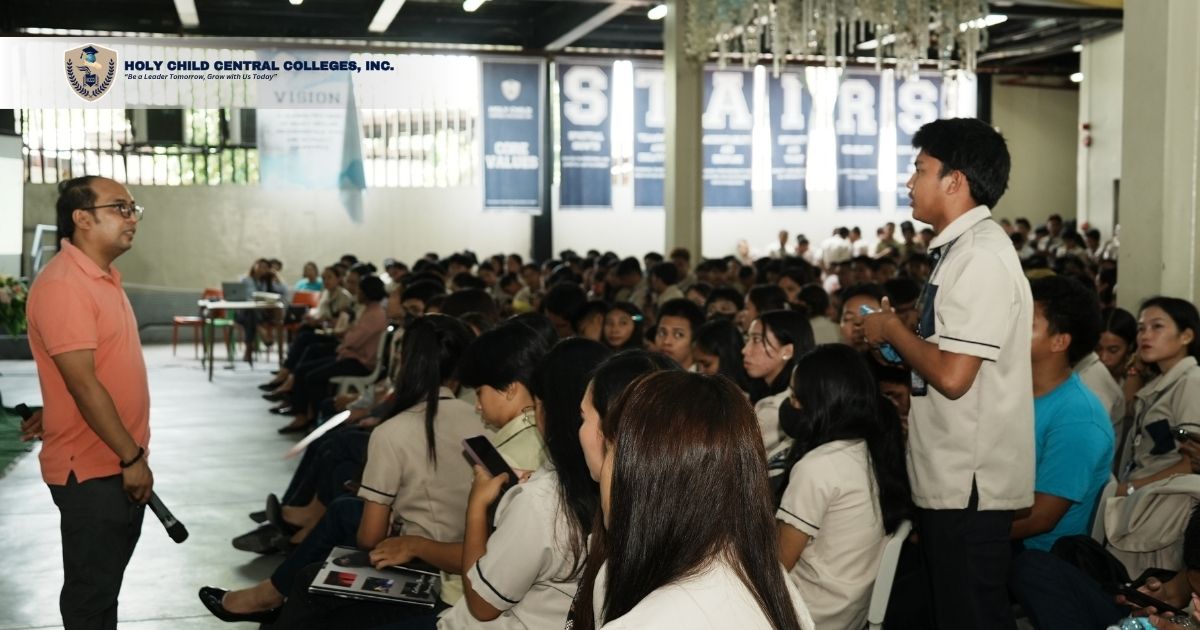
The initiative advances Sustainable Development Goal 3: Good Health and Well-Being by promoting mental health awareness and proactive approaches to psychological well-being. It also supports SDG 4: Quality Education, recognizing that student well-being contributes to learners’ ability to participate meaningfully in their education. The program further aligns with SDG 10: Reduced Inequalities by promoting an environment where students can access support without stigma or discrimination, while SDG 17: Partnerships for the Goals is reflected through the engagement of professional expertise in strengthening student support initiatives.
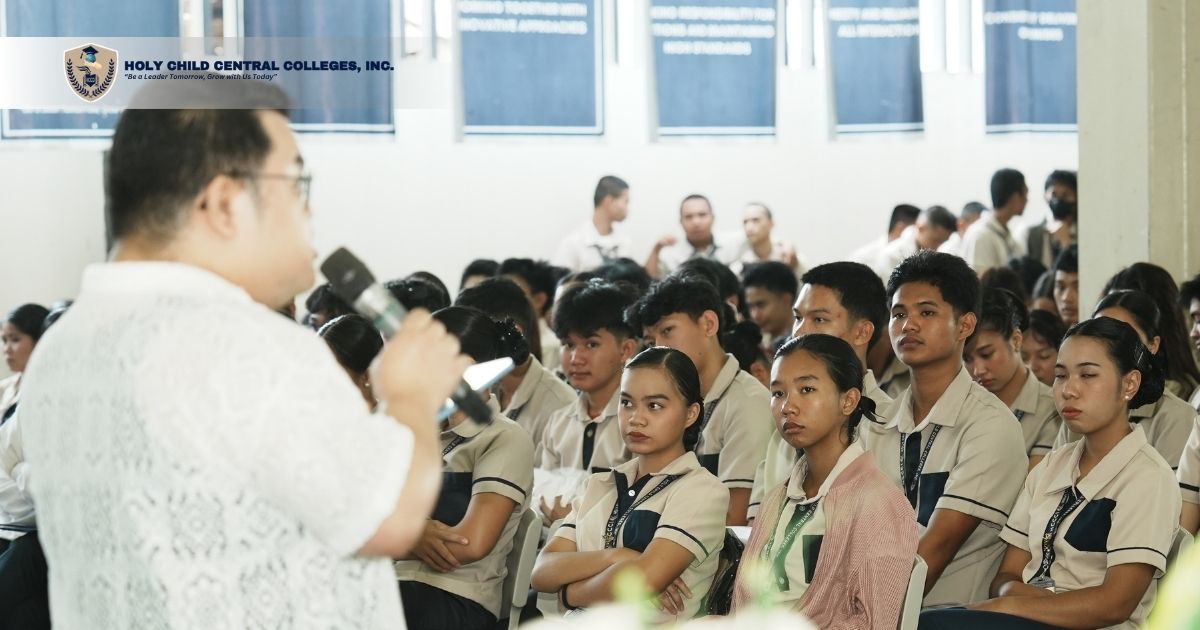
Beyond the seminar itself, the activity contributes to building a school community where conversations about mental health can take place with openness, compassion, and understanding. Equipping students with accurate information and connecting them with available support services helps create a culture in which students are more prepared to recognize challenges, seek appropriate assistance, and support others.
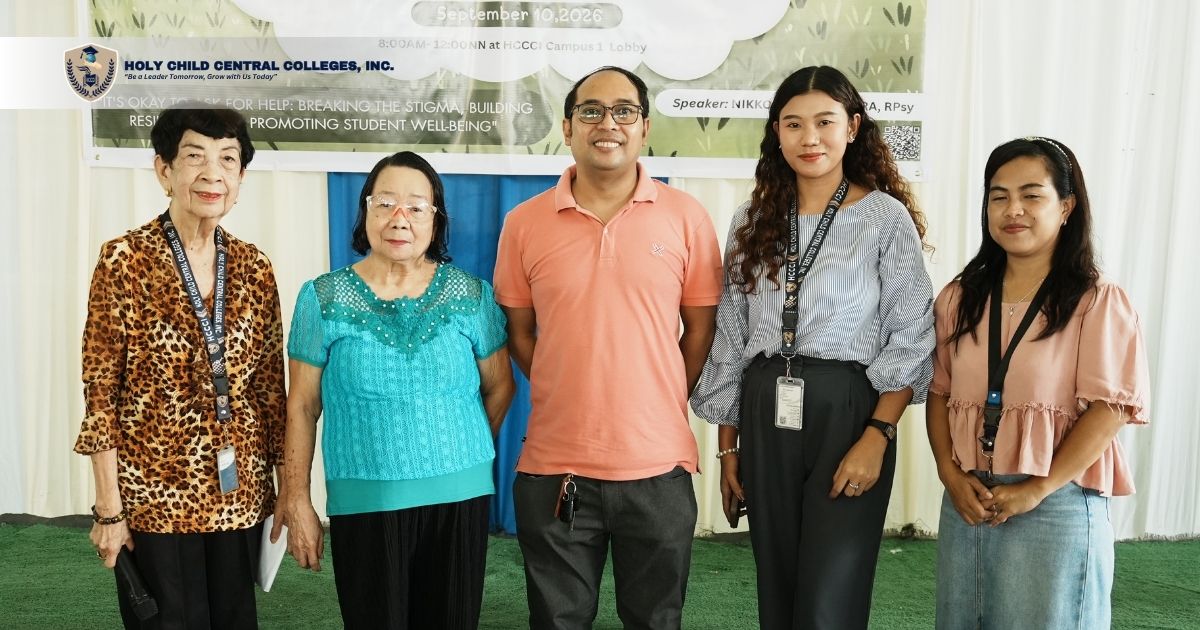
For HCCCI, student well-being remains an important part of holistic education. Academic preparation is strengthened when learners are also given opportunities to develop self-awareness, resilience, healthy coping practices, and the confidence to seek support when needed.
Through its Mental Health Program for Students, HCCCI continues to create spaces where students can learn, ask questions, and engage in meaningful conversations about their well-being. The initiative reinforces a simple but important message: students do not have to face difficult moments alone, and asking for help can be an important step toward resilience and growth.