𝐇𝐂𝐂𝐂𝐈 𝐄𝐱𝐭𝐞𝐧𝐝𝐬 𝐂𝐨𝐦𝐩𝐚𝐬𝐬𝐢𝐨𝐧 𝐚𝐧𝐝 𝐂𝐚𝐫𝐞 𝐓𝐡𝐫𝐨𝐮𝐠𝐡 𝐇𝐮𝐦𝐚𝐧𝐢𝐭𝐚𝐫𝐢𝐚𝐧 𝐂𝐨𝐥𝐥𝐚𝐛𝐨𝐫𝐚𝐭𝐢𝐨𝐧 𝐰𝐢𝐭𝐡 𝐀𝐌𝐃𝐀
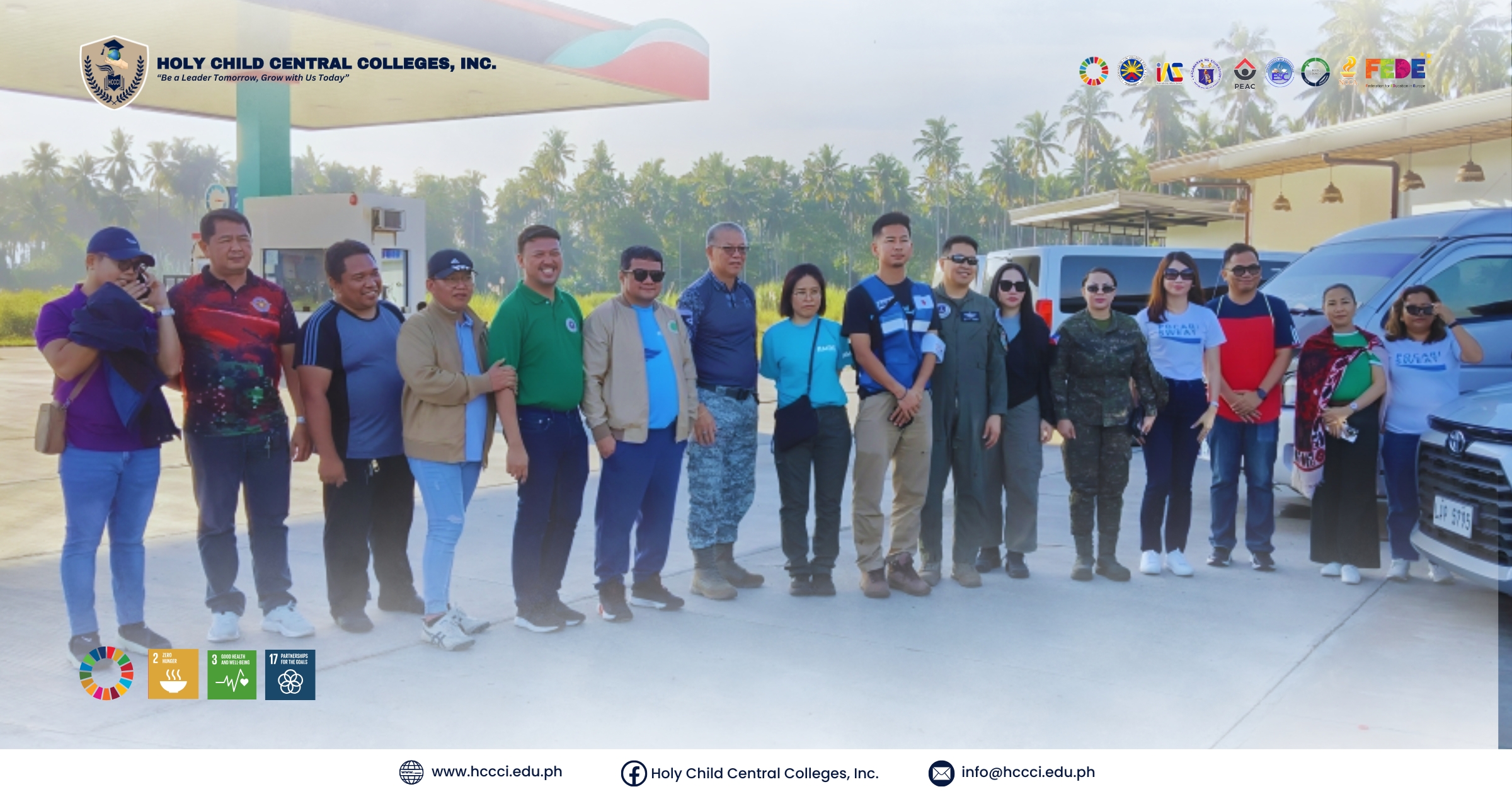
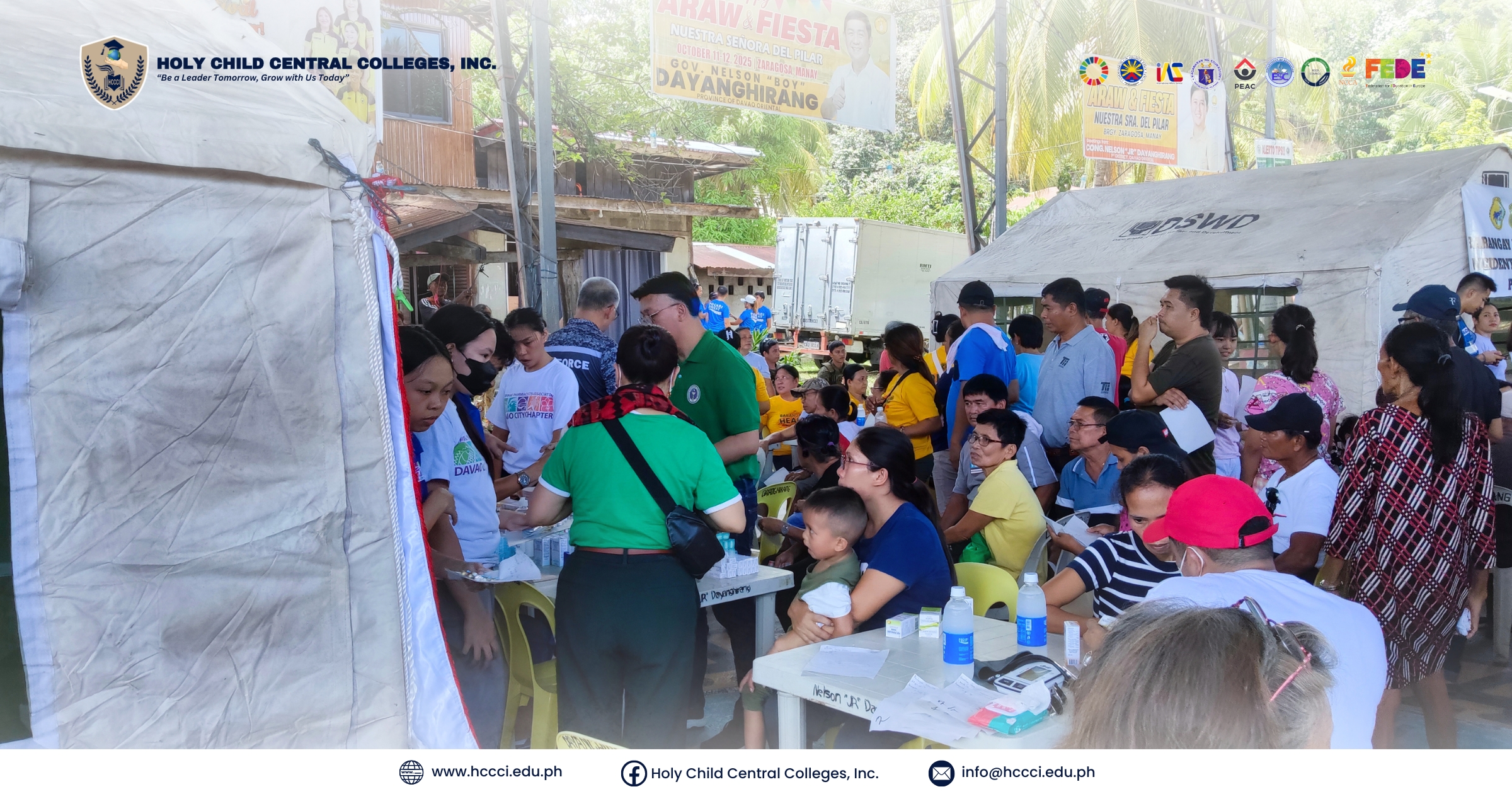
Demonstrating how education can translate compassion into meaningful community action, Holy Child Central Colleges, Inc. (HCCCI) participated in the “BAYANIHAN” Medical, Mental Health, Feeding, and Relief Gift-Giving Program on October 16–17, 2025. The humanitarian initiative supported earthquake-affected communities in Davao and Manay through a collaborative effort with the Association of Medical Doctors of Asia (AMDA) Japan and AMDA Philippines, bringing together educational, military, government, and civic institutions in response to the needs of affected residents.
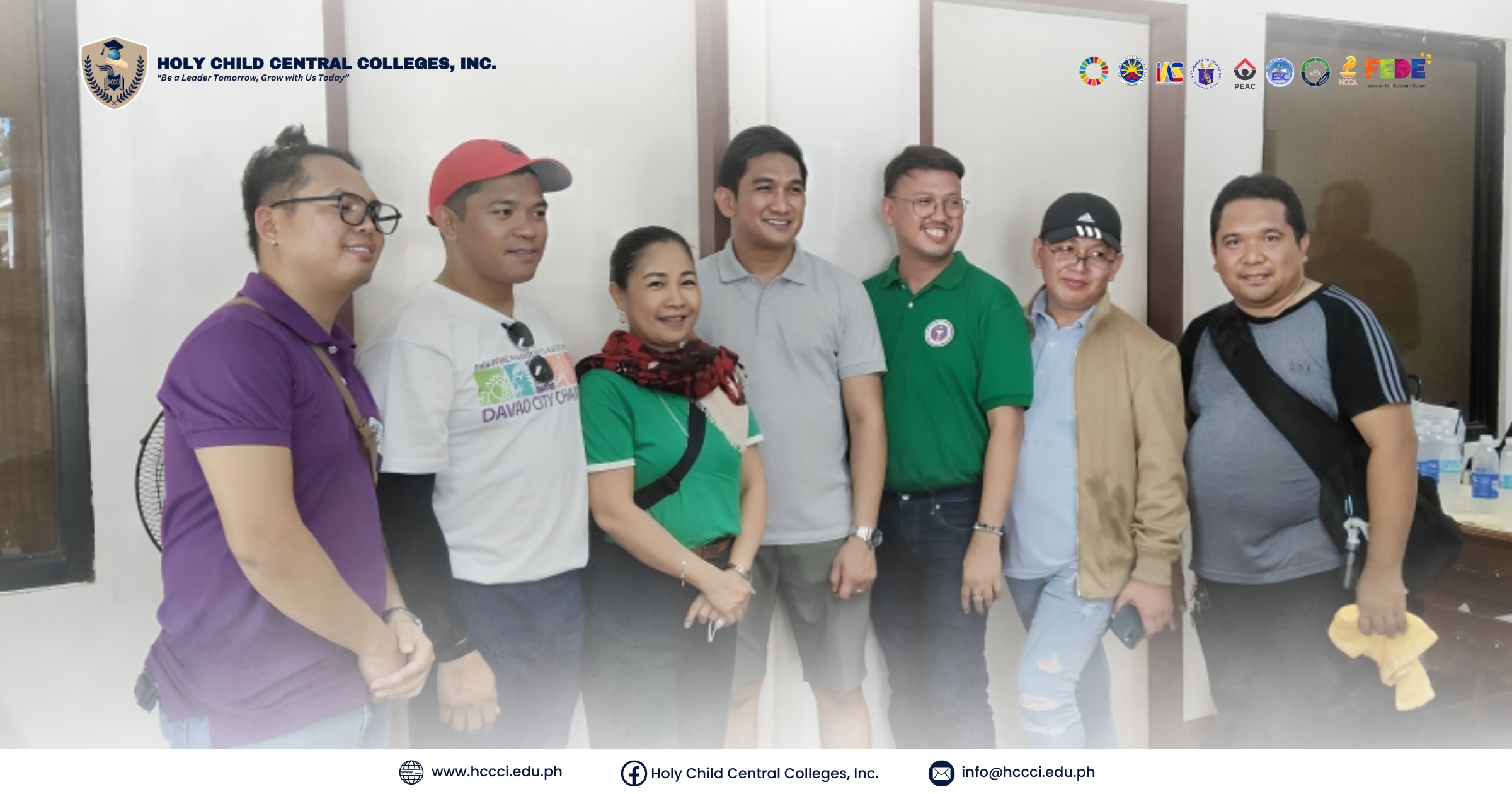
As part of its contribution, HCCCI mobilized support from its student community through the collection and provision of relief items for affected families. This form of student participation allowed learners to contribute to a broader humanitarian response by helping gather essential goods for communities experiencing hardship. HCCCI also prepared learning materials for distribution, extending its support beyond immediate relief assistance and recognizing the importance of educational resources in community recovery.
The institution was represented in the humanitarian activity by Dr. Erwin M. Faller, Academic Director and representative of the College of Allied Health Sciences, and Mr. Rodelo Magtanong, Jr., Marketing Coordinator. Dr. Faller carried relief goods on behalf of the College of Allied Health Sciences as part of HCCCI’s contribution. Through the involvement of its students and institutional representatives, HCCCI helped mobilize and deliver assistance in coordination with its humanitarian partners.
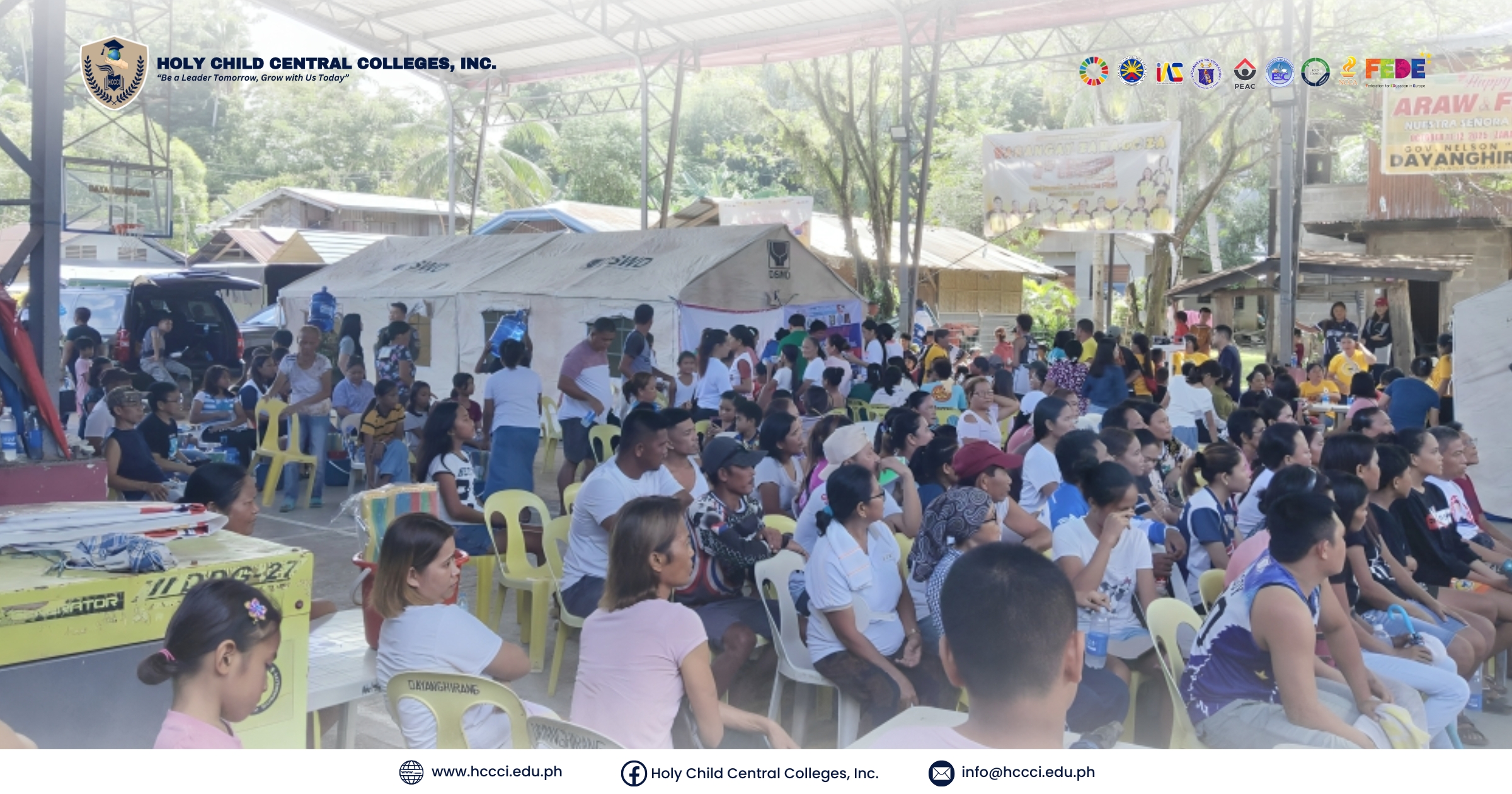
The program provided a range of support to earthquake survivors, including medical checkups, psychological first aid, feeding activities, and relief distribution. These services addressed immediate health and welfare concerns while recognizing that disaster recovery requires coordinated assistance across different sectors. The outreach was further strengthened by the participation of the Philippine Air Force, Philippine Army, local police of Manay, the Local Government Unit of Manay, and local responders, whose collective involvement contributed to the delivery of assistance to affected communities.
The initiative demonstrated the contribution of NGO collaboration and student participation to humanitarian response. Through its partnership with AMDA Japan and AMDA Philippines, HCCCI took part in an organized outreach effort that connected institutional resources, student involvement, and community service. While students contributed through the collection and provision of relief items, HCCCI representatives facilitated the delivery of these contributions as part of the wider humanitarian activity. This distinction highlights the different but complementary roles of students and institutional representatives in supporting community-based initiatives.
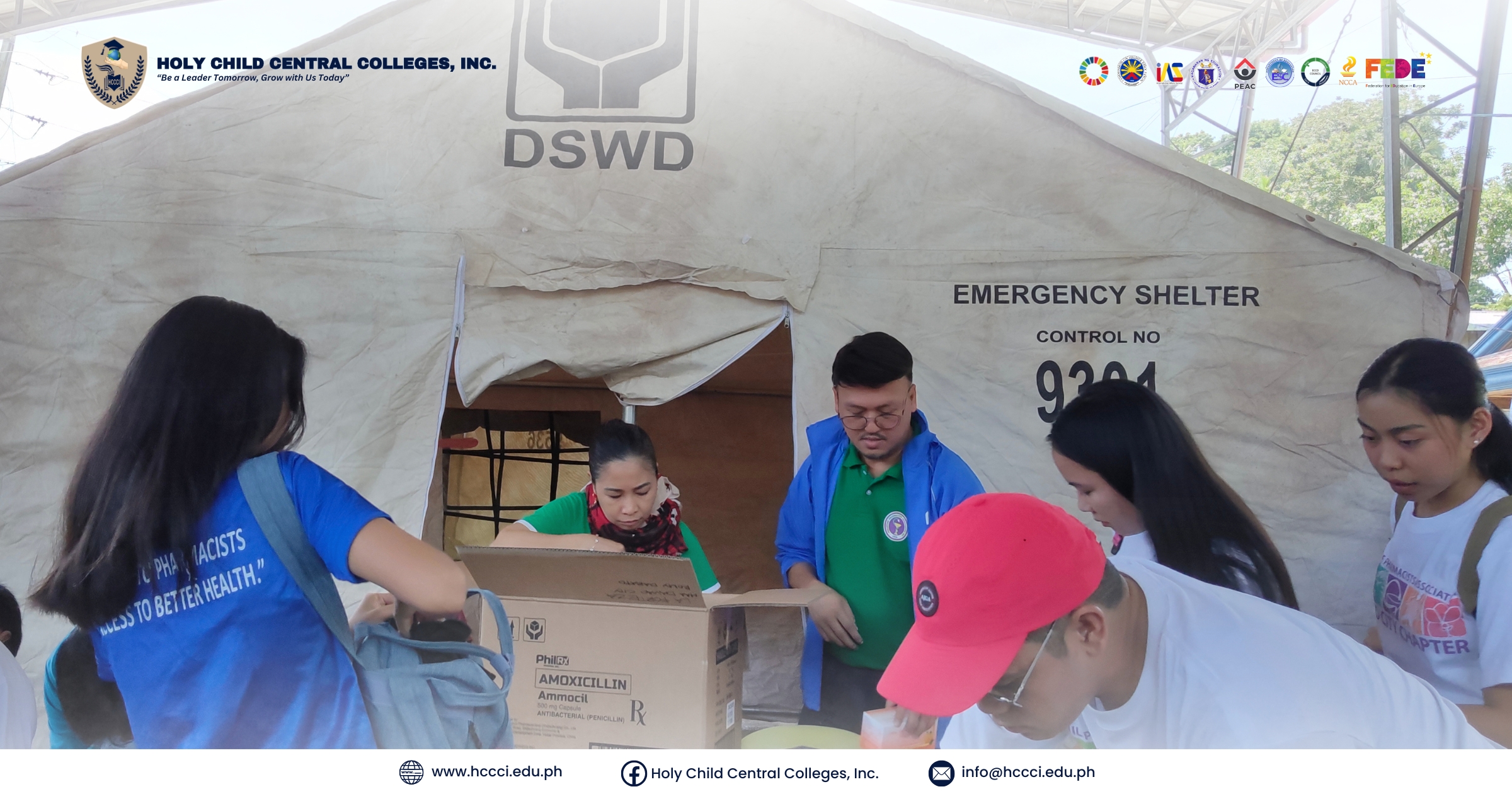
The program also contributed to efforts aligned with the United Nations Sustainable Development Goals (SDGs). Its feeding activities and provision of relief goods supported SDG 2: Zero Hunger, while medical checkups and psychological first aid addressed concerns related to SDG 3: Good Health and Well-Being. The cooperation among HCCCI, AMDA, and the participating public and civic institutions reflected the importance of SDG 17: Partnerships for the Goals, particularly the role of cross-sectoral collaboration in mobilizing resources and responding to shared community concerns.
Through this humanitarian collaboration, HCCCI provided students with an opportunity to participate in service beyond the classroom and contribute to the welfare of communities affected by disaster. The collection of relief items, preparation of learning materials, and coordination of institutional support demonstrated practical ways in which educational institutions can encourage social responsibility and translate compassion into collective action.
HCCCI continues to recognize that education extends beyond academic instruction. By engaging students in initiatives that respond to real community needs and collaborating with organizations working in humanitarian service, the institution seeks to cultivate empathy, civic responsibility, and a sustained commitment to helping others. The BAYANIHAN initiative reflects this commitment: bringing together student participation, institutional support, and NGO collaboration to extend assistance where it is needed.