𝐇𝐂𝐂𝐂𝐈 𝐋𝐚𝐮𝐧𝐜𝐡𝐞𝐬 𝐎𝐑𝐁𝐈𝐓: 𝐀𝐧 𝐈𝐧𝐭𝐞𝐠𝐫𝐚𝐭𝐞𝐝 𝐒𝐭𝐮𝐝𝐞𝐧𝐭 𝐃𝐞𝐯𝐞𝐥𝐨𝐩𝐦𝐞𝐧𝐭 𝐏𝐫𝐨𝐠𝐫𝐚𝐦 𝐂𝐨𝐧𝐧𝐞𝐜𝐭𝐢𝐧𝐠 𝐋𝐞𝐚𝐫𝐧𝐢𝐧𝐠, 𝐆𝐥𝐨𝐛𝐚𝐥 𝐄𝐧𝐠𝐚𝐠𝐞𝐦𝐞𝐧𝐭, 𝐈𝐧𝐧𝐨𝐯𝐚𝐭𝐢𝐨𝐧, 𝐚𝐧𝐝 𝐒𝐮𝐬𝐭𝐚𝐢𝐧𝐚𝐛𝐥𝐞 𝐃𝐞𝐯𝐞𝐥
February 3, 2025
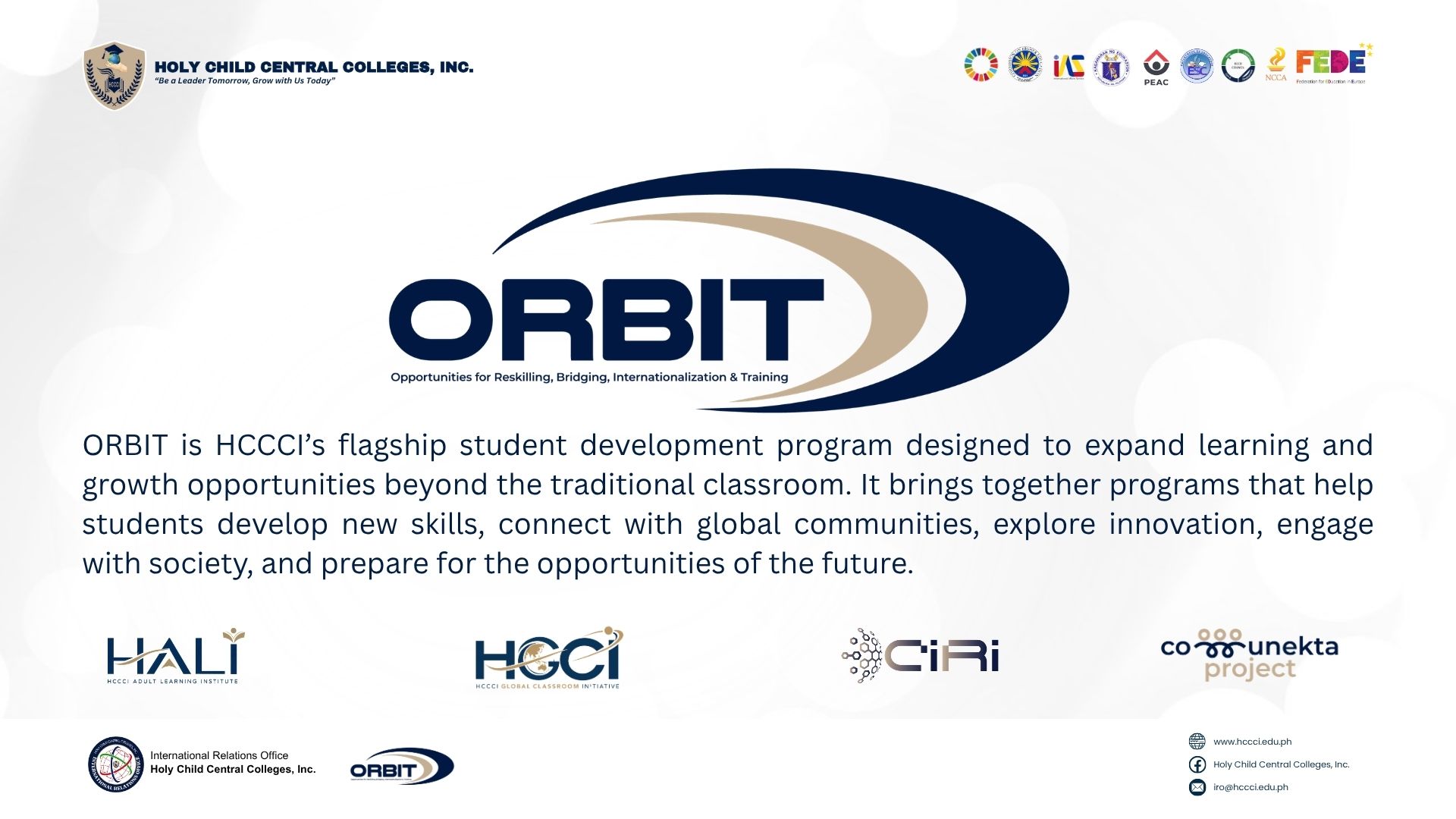
Holy Child Central Colleges, Inc. (HCCCI) introduces ORBIT — Opportunities for Reskilling, Bridging, Internationalization, and Training — its flagship student development program designed to expand learning and growth opportunities beyond the traditional classroom. Through an integrated framework of professional development, international collaboration, technological innovation, and community engagement, ORBIT provides students with opportunities to develop relevant competencies, connect with diverse communities, explore emerging technologies, and participate in initiatives that respond to real-world challenges.
ORBIT reflects HCCCI’s understanding that meaningful education extends beyond the delivery of academic content. Students also need opportunities to apply their knowledge, understand different perspectives, engage with societal concerns, and recognize how their learning relates to the world around them. Through ORBIT, HCCCI brings together complementary programs that connect academic development with practical experiences, global perspectives, innovation, and social responsibility.
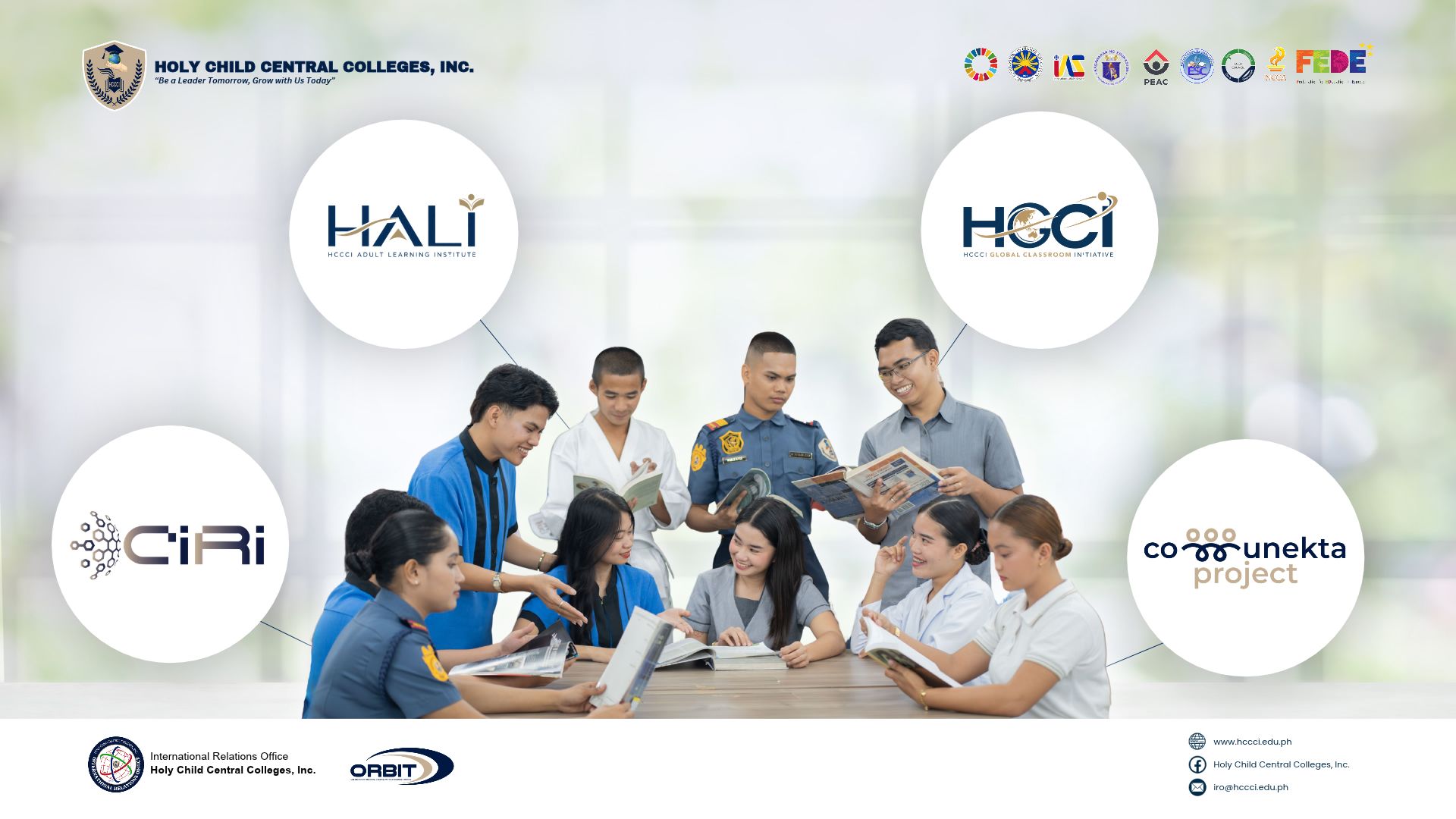
The framework is organized around four major initiatives: HALI, HGCI, CiRi, and the CommunNekta Project. Each provides a distinct platform for learning and development while contributing to the institution’s broader commitment to preparing students for professional responsibilities, global participation, and meaningful contributions to society.
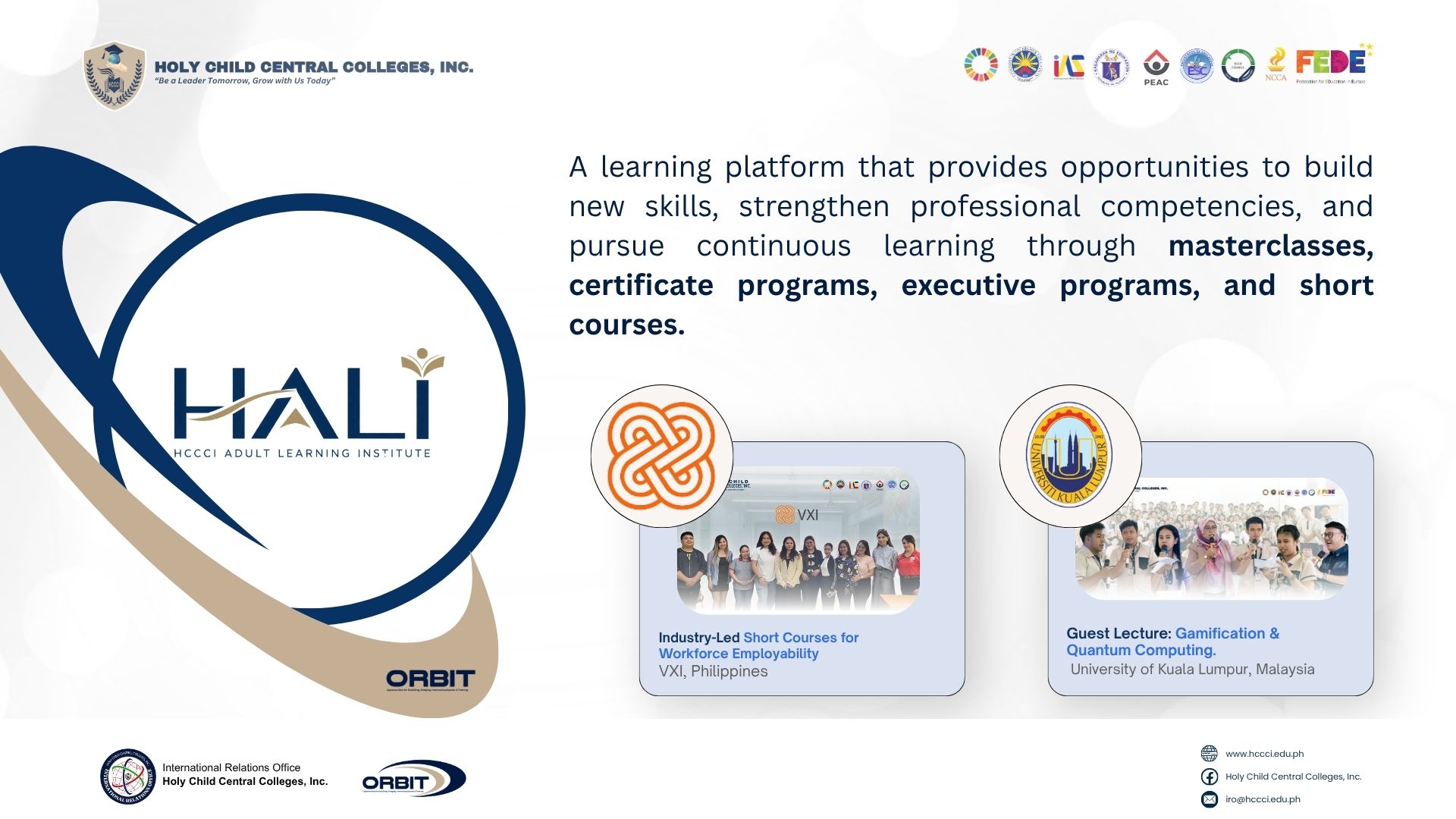
The HCCCI Adult Learning Institute (HALI) provides a learning platform that creates opportunities to build new skills, strengthen professional competencies, and pursue continuous learning through masterclasses, certificate programs, execuORBIT reflects HCCCI’s understanding that meaningful education extends beyond the delivery of academic content. Students also need opportunities to apply their knowledge, understand different perspectives, engage with societal concerns, and recognize how their learning relates to the world around them. Through ORBIT, HCCCI brings together complementary programs that connect academic development with practical experiences, global perspectives, innovation, and social responsibility.
The framework is organized around four major initiatives: HALI, HGCI, CiRi, and the CommunNekta Project. Each provides a distinct platform for learning and development while contributing to the institution’s broader commitment to preparing students for professional responsibilities, global participation, and meaningful contributions to society.
HALI recognizes that learning is a continuing process that extends beyond formal academic instruction. Through its learning opportunities, students and other participants can develop practical competencies, gain exposure to emerging fields, and strengthen their readiness for changing professional and workplace demands.
By connecting learning with skills development and professional growth, HALI reinforces the importance of lifelong learning. It encourages learners to remain adaptable, pursue new knowledge, and develop capabilities that can support their personal, academic, and professional advancement.
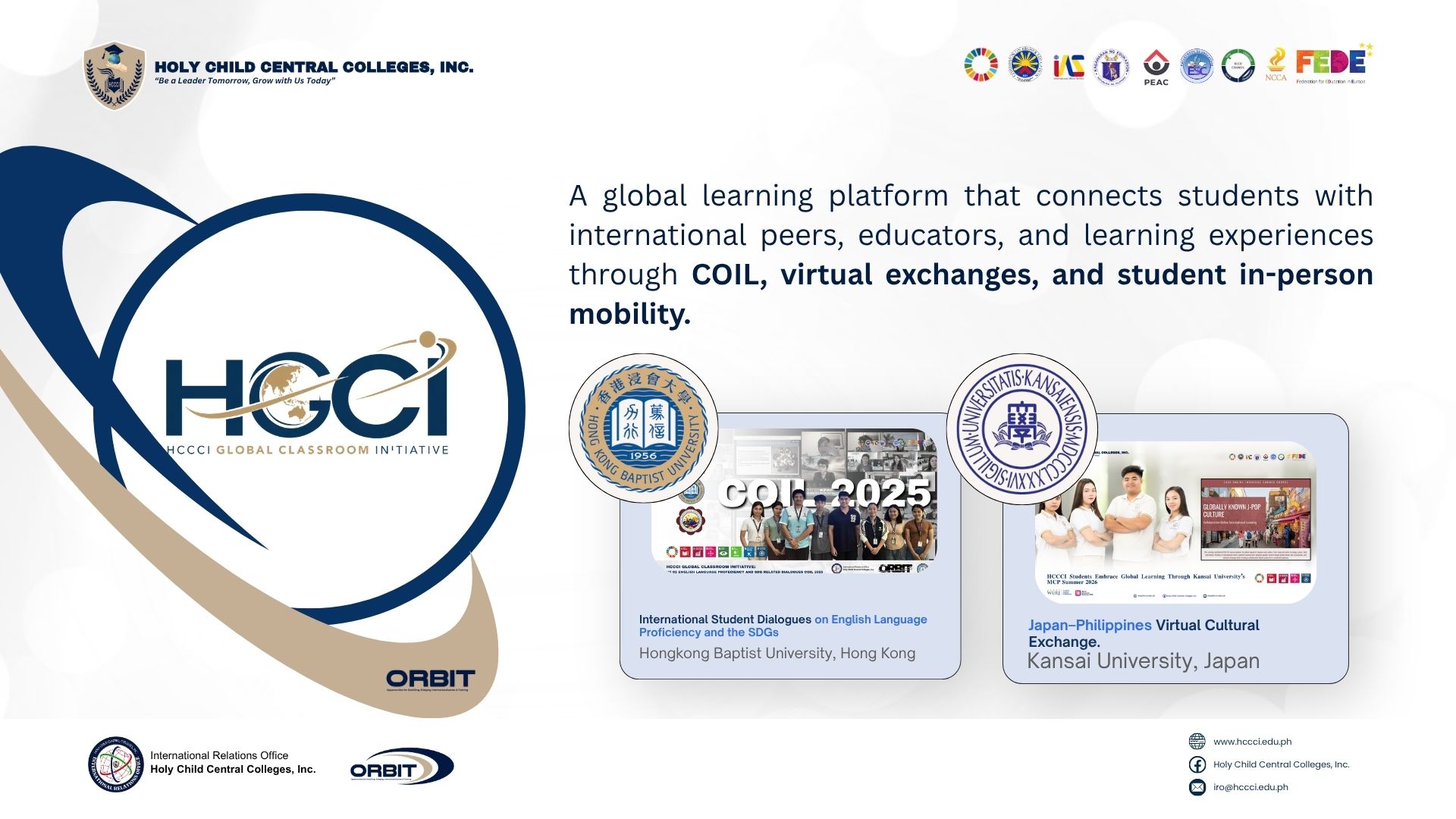
The HCCCI Global Classroom Initiative (HGCI) is a global learning platform that connects students with international peers, educators, and learning experiences through Collaborative Online International Learning (COIL), virtual exchanges, and student in-person mobility.
Through these activities, students engage with individuals from different cultural and academic backgrounds, exchange perspectives, and collaboratively examine issues that extend beyond national boundaries. International learning experiences provide opportunities to develop intercultural communication, collaboration, global awareness, and a deeper understanding of shared challenges.
HGCI also creates opportunities to bring discussions on sustainability and social development into the learning environment. Through collaborative activities, students can examine topics such as responsible consumption, economic development, cultural understanding, and other concerns that require cooperation among communities and countries.
The initiative makes internationalization a learning experience that can enrich students’ academic development. It encourages learners to understand the relationship between local realities and global concerns while developing the ability to work with people from different backgrounds.
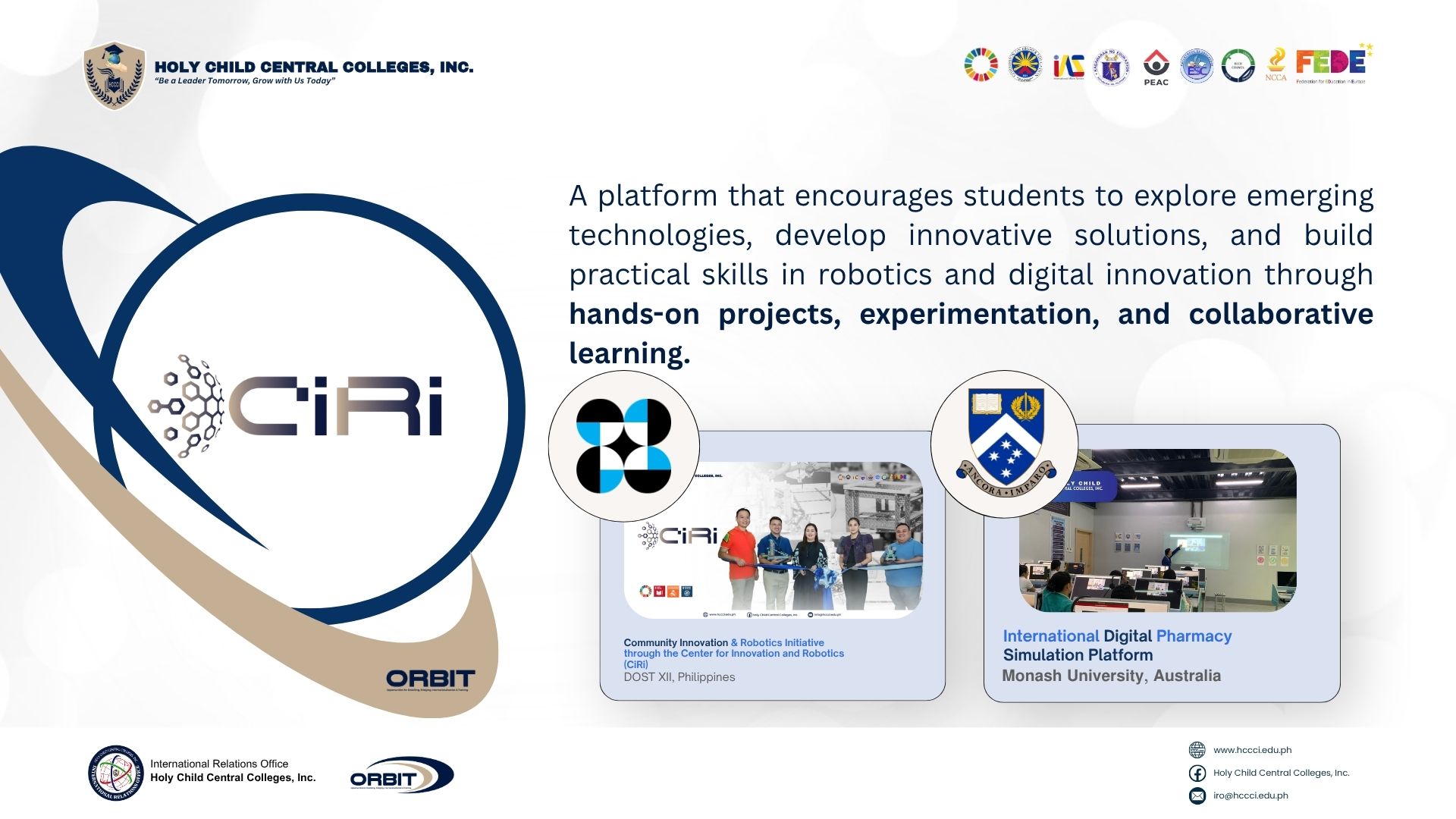
The Center for Innovation and Robotics Initiative (CiRi) encourages students to explore emerging technologies, develop innovative solutions, and build practical skills in robotics and digital innovation through hands-on projects, experimentation, and collaborative learning.
CiRi provides a platform for students to move beyond theoretical discussions and explore how technological knowledge can be applied to practical situations. Through experimentation and project-based activities, learners are encouraged to investigate problems, develop creative approaches, and strengthen their analytical and problem-solving abilities.
The initiative also promotes technological literacy and responsible innovation. By introducing students to emerging technologies and practical applications, CiRi supports their preparation for an increasingly digital society and encourages them to consider how innovation can respond to human, institutional, and community needs.
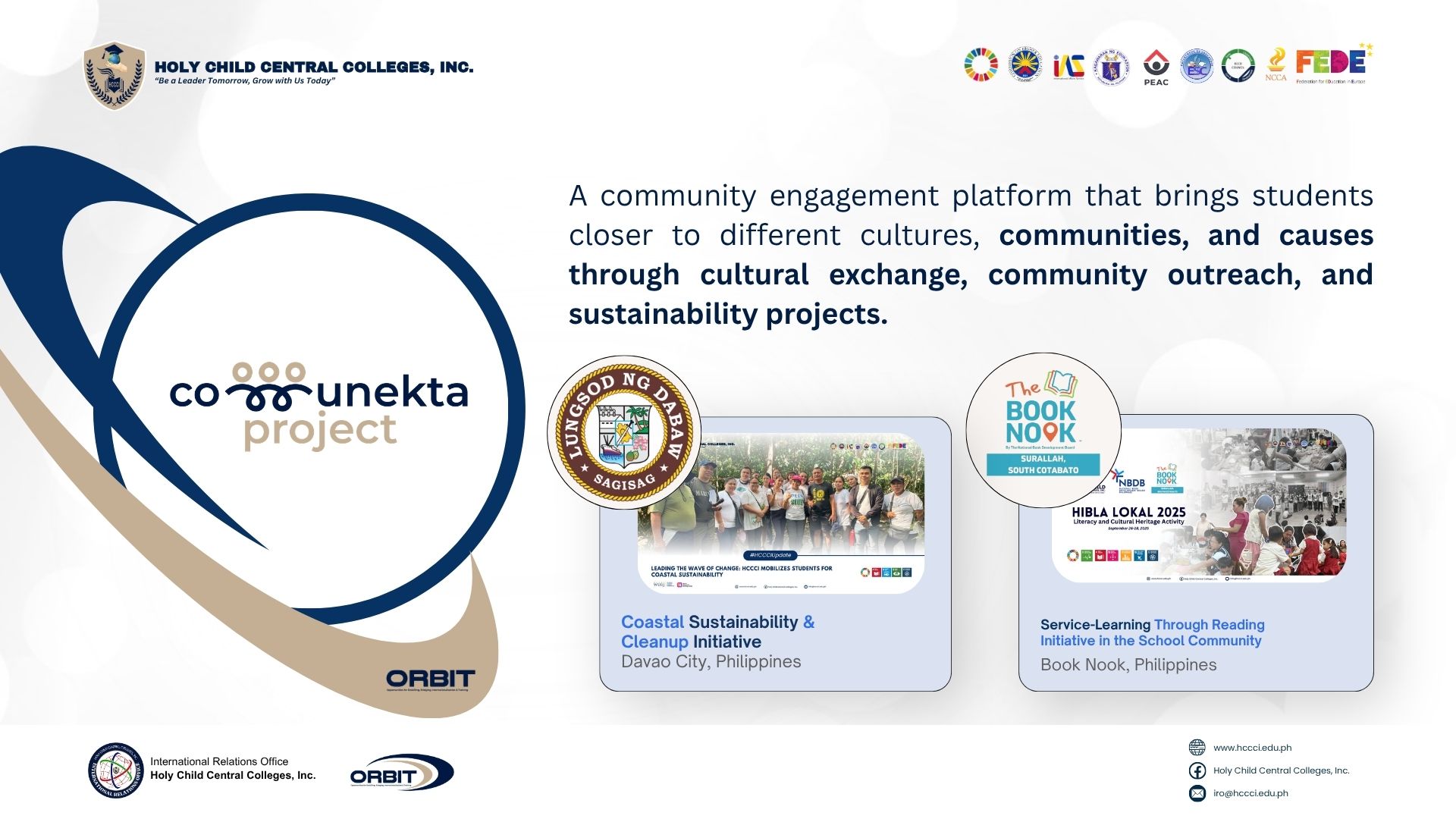
The CommunNekta Project is a community engagement platform that brings students closer to different cultures, communities, and causes through cultural exchange, community outreach, and sustainability projects.
The initiative recognizes that meaningful learning also takes place through interaction with communities and direct engagement with social and environmental concerns. Through its activities, students are encouraged to appreciate cultural diversity, understand local realities, and participate in initiatives that contribute to community welfare.
Cultural exchange promotes respect and understanding among people with different identities and traditions. Community outreach connects learning with the needs and experiences of local communities, while sustainability projects encourage awareness of environmental responsibility and the importance of collective action.
Through CommunNekta, students are given opportunities to connect their knowledge and values with practical community engagement. The initiative reinforces the understanding that education involves not only personal achievement but also the responsibility to contribute positively to society.
Although each ORBIT initiative has a distinct focus, the four components are designed to complement one another. HALI supports continuous learning and professional development; HGCI expands learning through international collaboration and intercultural exchange; CiRi promotes technological competencies and innovation; and CommunNekta connects students with communities, cultural experiences, and sustainability initiatives.
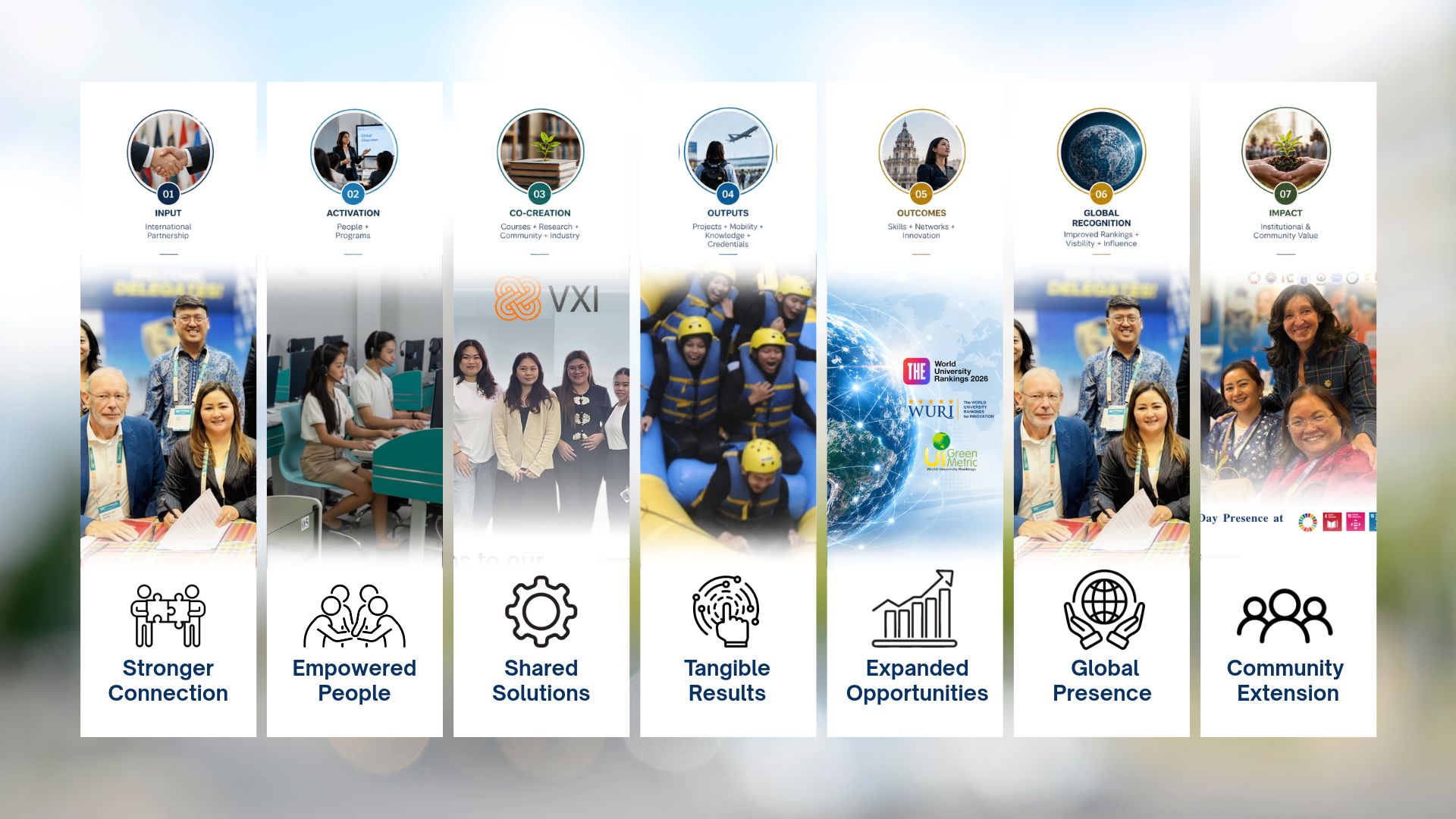
Together, these initiatives provide different pathways through which students can engage with issues relevant to sustainable development. They create opportunities to develop professional skills, understand global challenges, explore technological solutions, appreciate cultural diversity, and participate in community-oriented activities.
This integrated approach reflects HCCCI’s commitment to making meaningful education relevant beyond individual subjects or isolated activities. Rather than treating sustainability as a topic confined to a single course or academic discipline, ORBIT provides complementary opportunities for students to encounter its different dimensions through professional learning, international engagement, innovation, and community participation.
The framework also provides a common institutional direction for connecting learning opportunities across academic programs. Its initiatives are intended to complement students’ formal education and support their development as informed, capable, and socially responsible individuals.
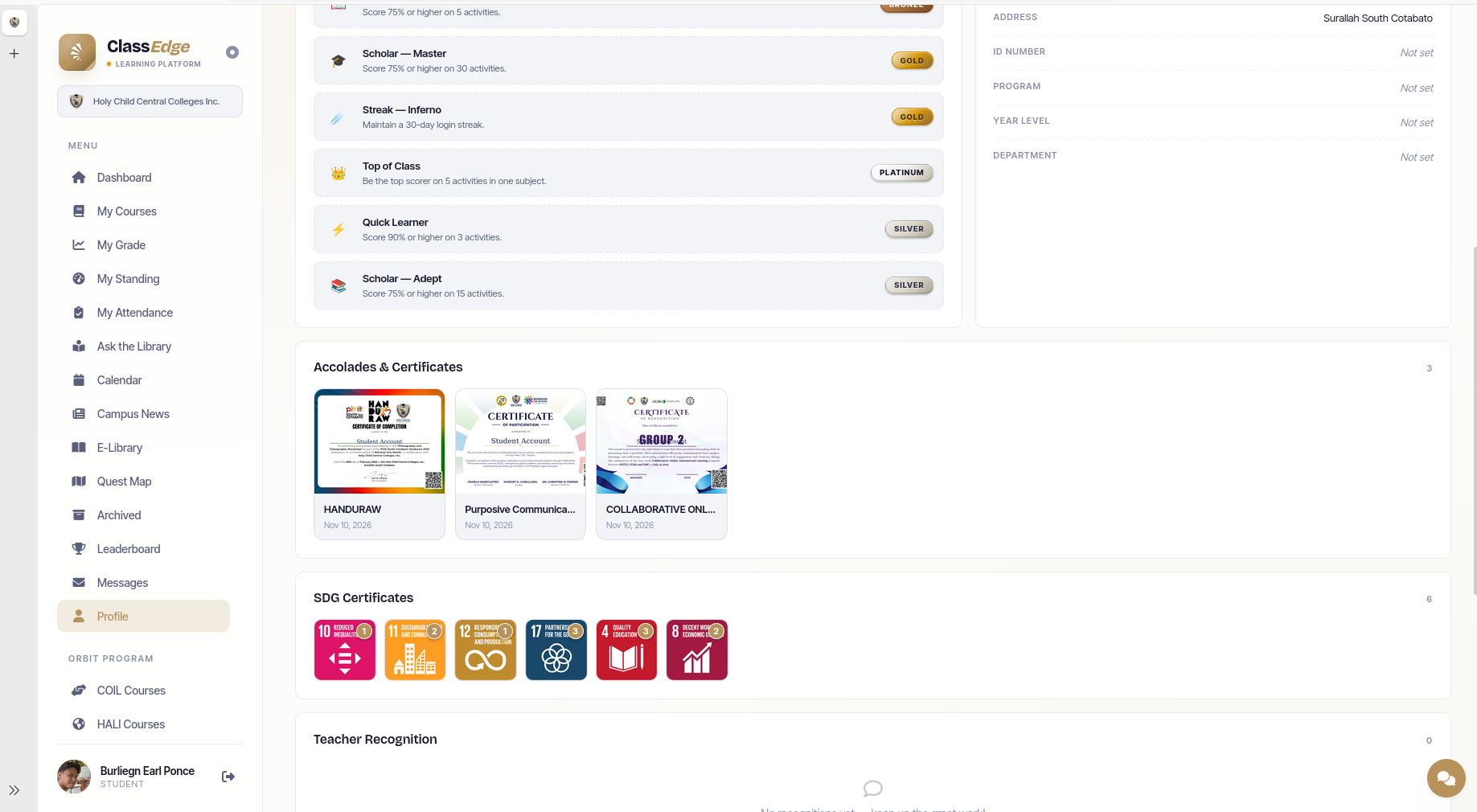
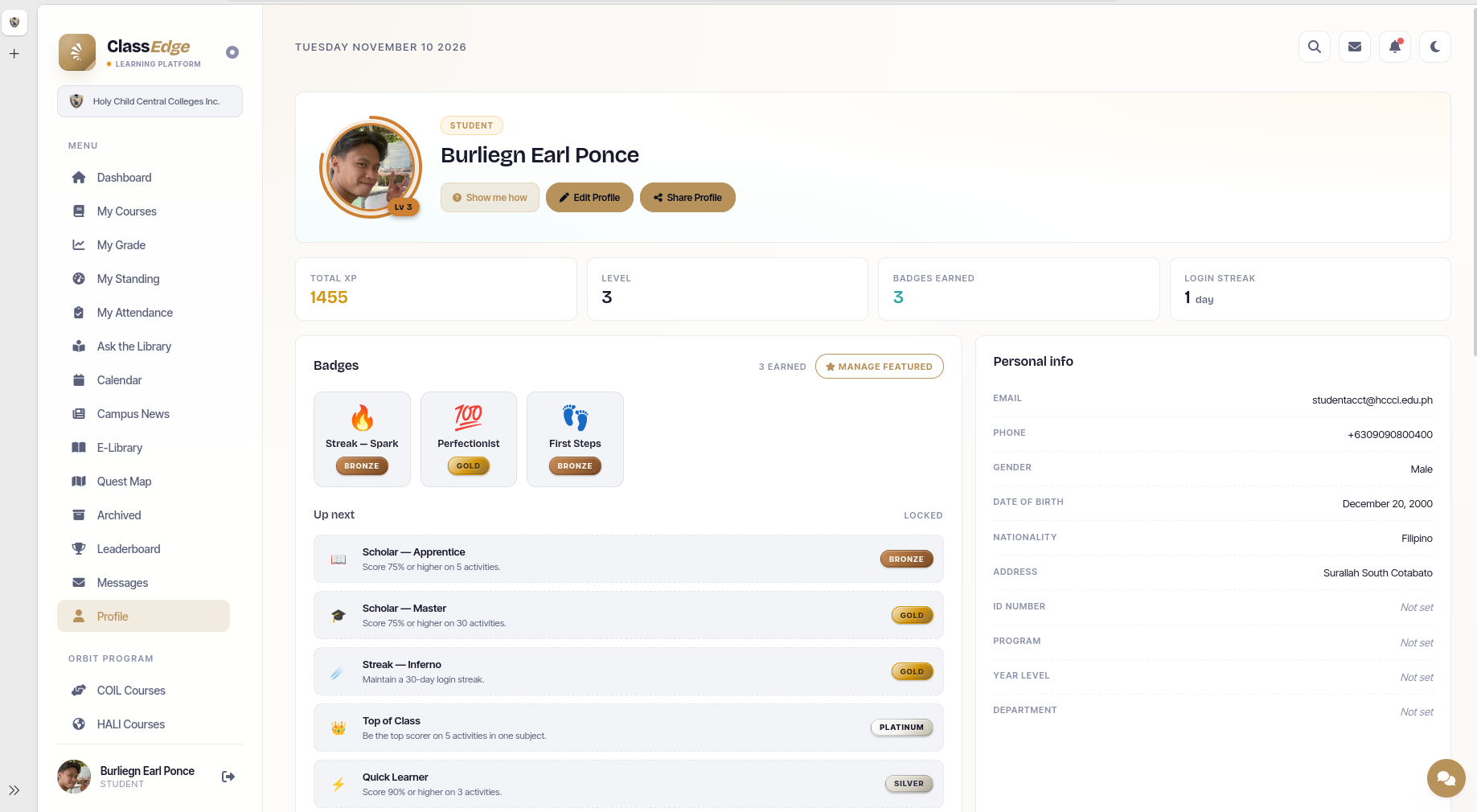
As ORBIT developed, HCCCI extended its implementation through the institution’s ClassEdge Learning Management System (LMS), integrating digital recognition features that document and recognize student participation and achievements in learning activities.
Through the LMS student profile, learners can view their accumulated experience points (XP), levels, earned badges, achievement records, and certificates. The platform includes achievement badges recognizing different forms of student engagement and accomplishment, such as learning progress, academic performance, and participation milestones. These features provide students with visible records of their progress and encourage continued participation in learning activities.
Through these SDG-linked certificates, students can receive digital recognition associated with activities and learning experiences aligned with particular sustainability goals. The system makes these connections visible within their individual LMS profiles, helping learners recognize that their academic and extracurricular engagements can relate to wider social, economic, and environmental priorities.
The platform also provides a certificate-verification feature. A sample verification record for an HGCI Collaborative Online International Learning (COIL) activity identifies the program, activity, certificate number, date of issuance, issuing institution, verification status, and participating partner institutions. It also displays the SDGs aligned with the activity. In the documented COIL simulation certificate, these include SDG 4, SDG 8, SDG 10, SDG 11, SDG 12, and SDG 17.
This integration connects student participation with documented learning experiences and verifiable digital credentials. It also provides an institutional mechanism for recognizing activities that contribute to students’ understanding of sustainable development and the importance of applying learning beyond the classroom.
The LMS-based recognition system complements ORBIT’s four initiatives by providing a digital record of selected student achievements and SDG-related engagements. It reinforces the connection between learning activities and the broader goals they support, while encouraging students to continue participating in opportunities that develop their knowledge, skills, and sense of responsibility.
Through ORBIT, HCCCI advances an approach to student development that recognizes the importance of academic knowledge, practical competencies, global awareness, innovation, and community participation. Its four initiatives provide complementary opportunities for students to develop capabilities and engage with concerns that shape their communities and the wider world.
The integration of SDG-linked digital credentials into the LMS further strengthens this approach by making selected sustainability-related achievements visible and verifiable within the student learning environment. Together, the programs and digital recognition features help connect the institution’s educational activities with the values of continuous learning, inclusion, responsible innovation, international cooperation, and sustainable development.
ORBIT brings these opportunities together under one institutional framework, reinforcing HCCCI’s commitment to an education that prepares learners not only for their chosen professions but also for their responsibilities as members of local and global communities.
At HCCCI, learning goes beyond the classroom. Through ORBIT, students are given opportunities to learn, connect, innovate, and contribute—turning knowledge and experience into meaningful participation in a changing world.