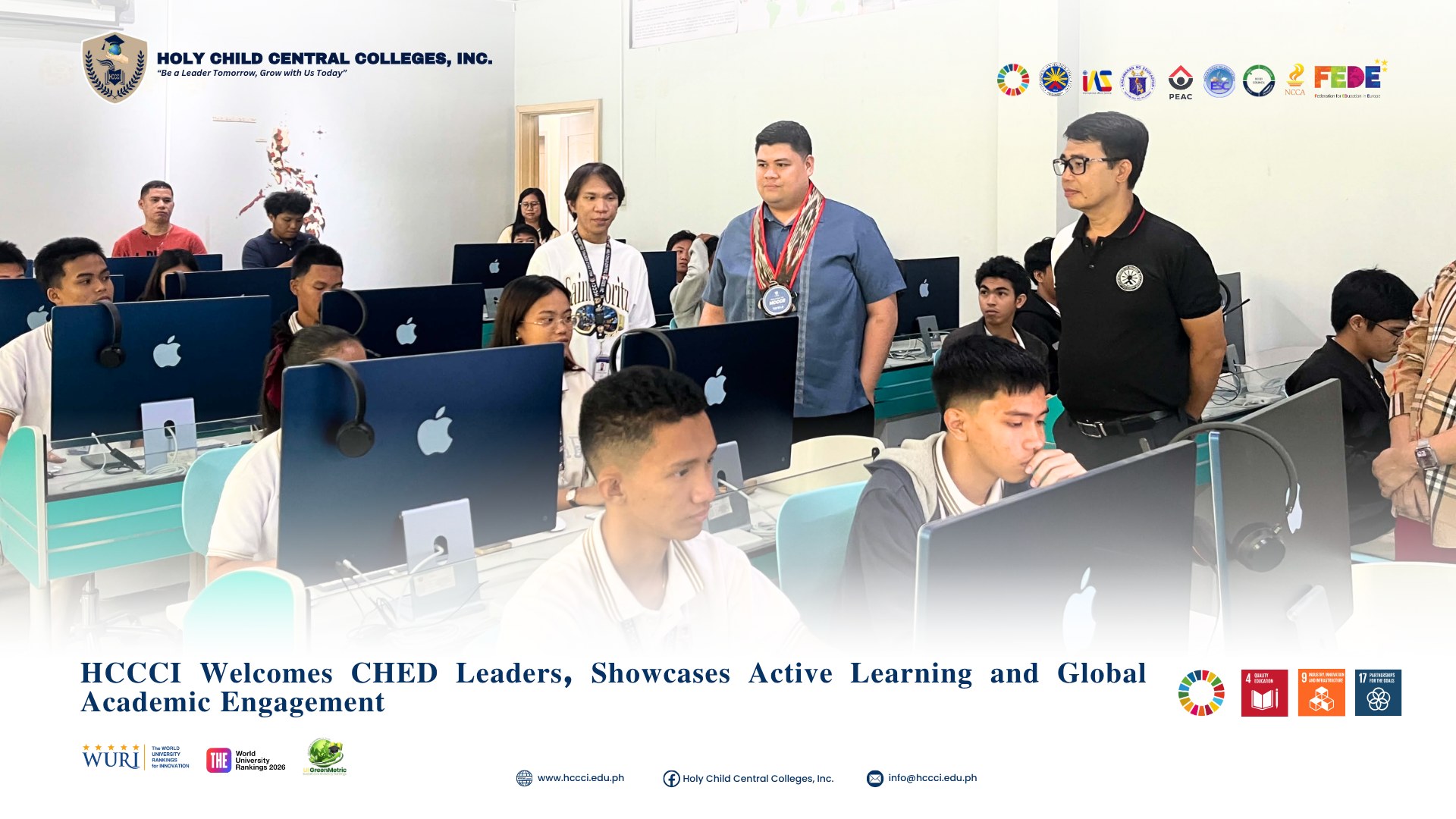
𝐇𝐂𝐂𝐂𝐈 𝐖𝐞𝐥𝐜𝐨𝐦𝐞𝐬 𝐂𝐇𝐄𝐃 𝐋𝐞𝐚𝐝𝐞𝐫𝐬, 𝐒𝐡𝐨𝐰𝐜𝐚𝐬𝐞𝐬 𝐀𝐜𝐭𝐢𝐯𝐞 𝐋𝐞𝐚𝐫𝐧𝐢𝐧𝐠 𝐚𝐧𝐝 𝐆𝐥𝐨𝐛𝐚𝐥 𝐀𝐜𝐚𝐝𝐞𝐦𝐢𝐜 𝐄𝐧𝐠𝐚𝐠𝐞𝐦𝐞𝐧𝐭
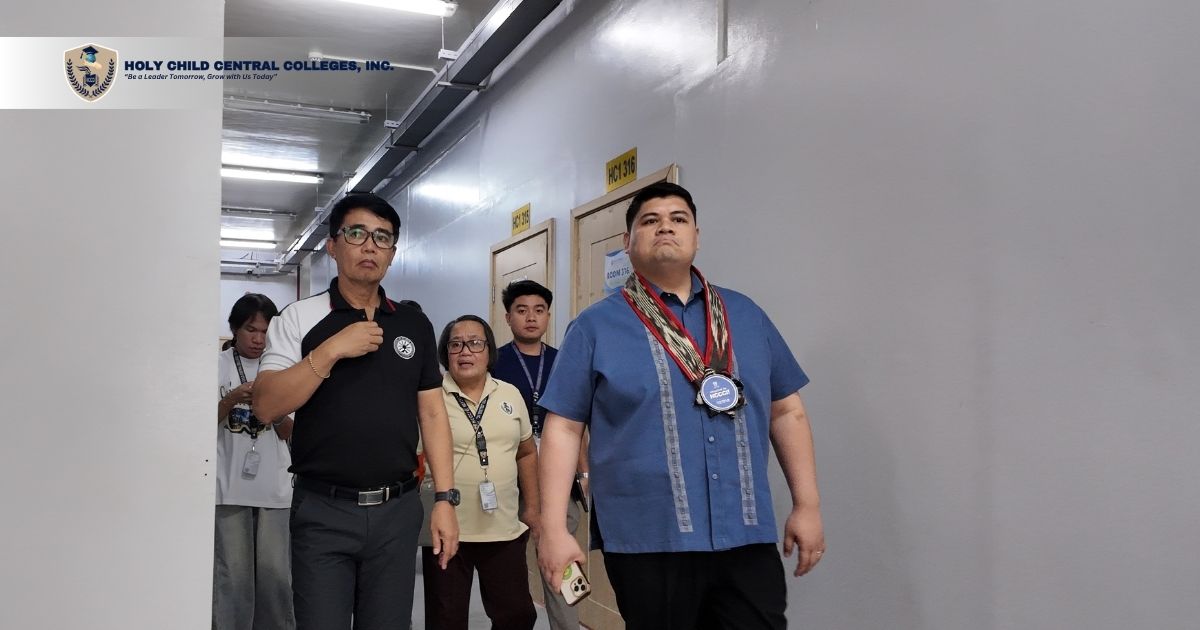
Holy Child Central Colleges, Inc. (HCCCI) welcomed Dr. Ian D. Evangelista, Officer-in-Charge of the Office of the Deputy Executive Director IV and Chief of Staff, Office of the Chairperson of the Commission on Higher Education (CHED), and Dr. Rody P. Garcia, MDM, JD, EdD, Regional Director of CHED Regional Office XII (CHEDRO XII), on October 13, 2026, for an institutional visit highlighting HCCCI’s teaching and learning facilities, academic initiatives, and continuing efforts to strengthen educational quality.
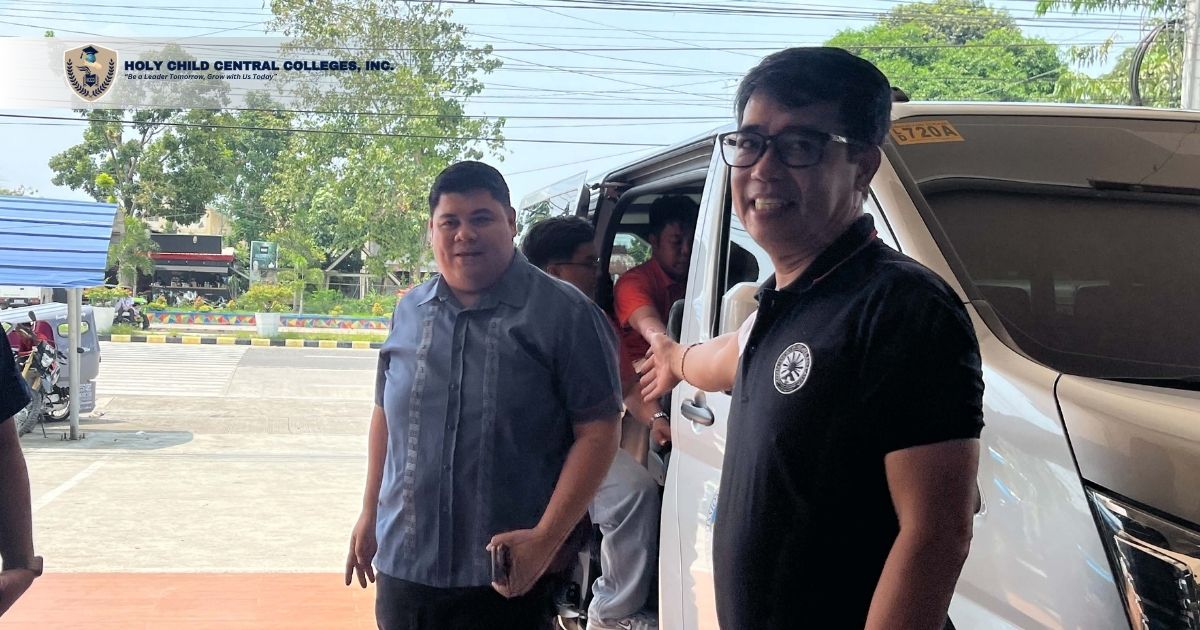
Dr. Evangelista was in Region XII for official engagements with CHEDRO XII and regional stakeholders, providing an opportunity for the visiting officials to include HCCCI in their itinerary. The visit allowed the institution to present its educational environment and demonstrate how its facilities, teaching practices, and academic initiatives support student learning, practical skills development, and international engagement.
The delegation was welcomed by Sarah Jean H. Dolar, MBA, OIC–Human Resource Manager; Jack Robin A. Lacerna, MMEM, Director of the International Relations and External Linkages Office; Juliet Arellano-Castañas, LPT, MAEd, Head of the Center for Institutional Performance and Quality; Mark Laurence J. Fano, LPT, MALT, CHRA, Director of the Department of Student Affairs and Services; Vince Karl Otic, Quality Assurance Officer; John Lucas Frac, CHRA, Activity Coordinator; and Dr. Jun Y. Badie, Academic Director of HCCCI partner institution Santo Nino College Foundation, Inc. (SNCFI).
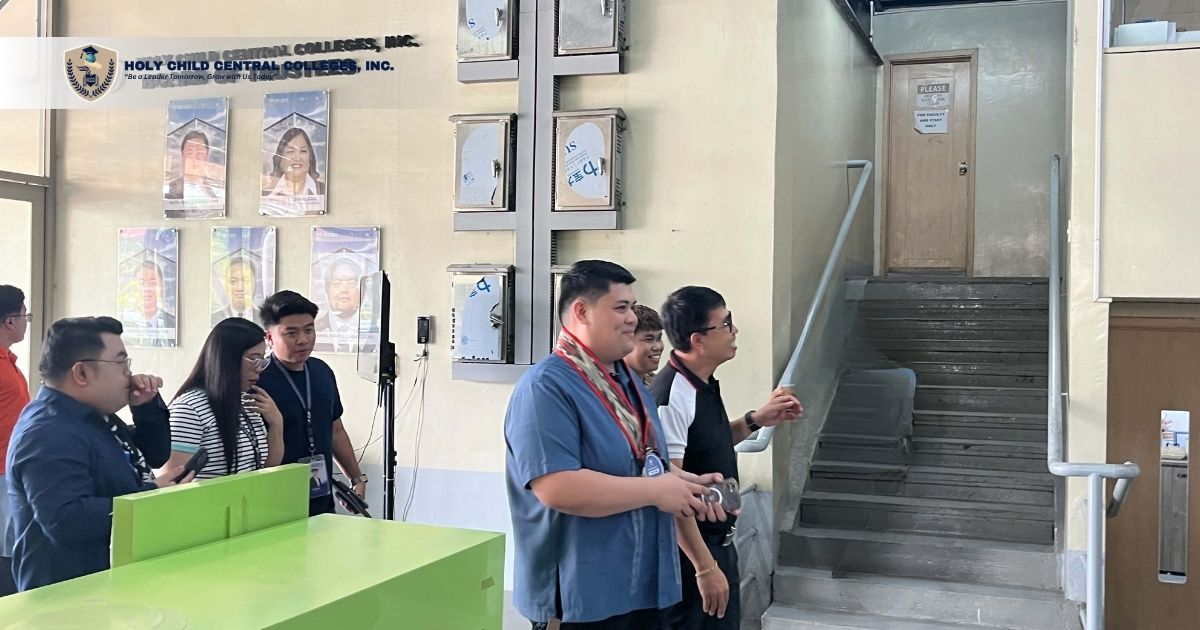
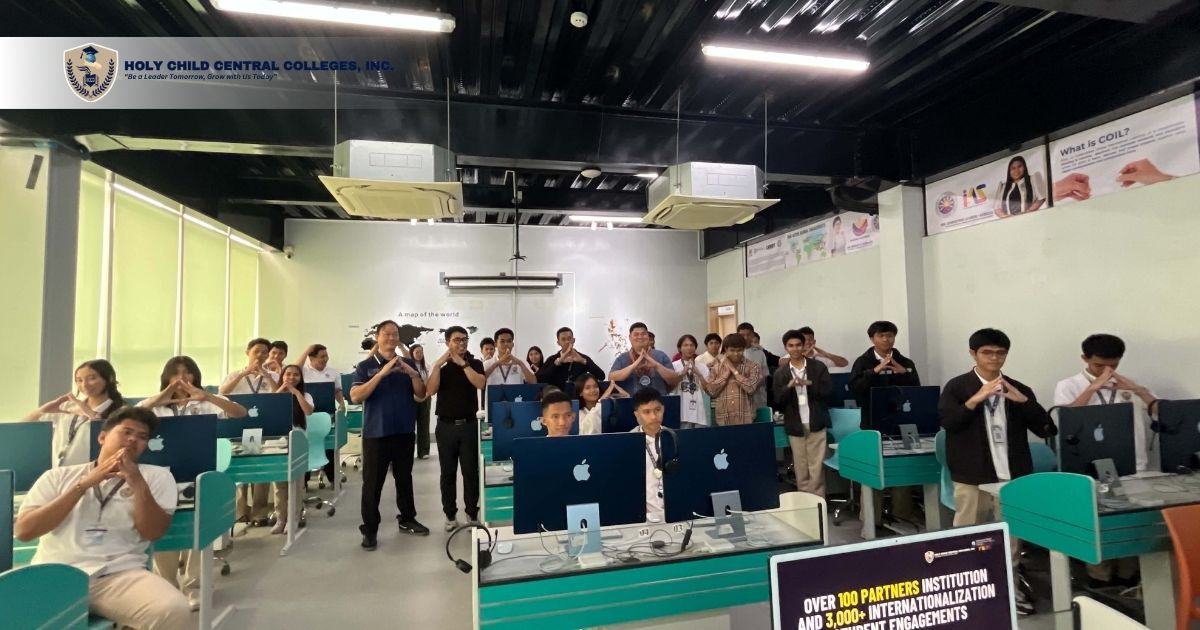
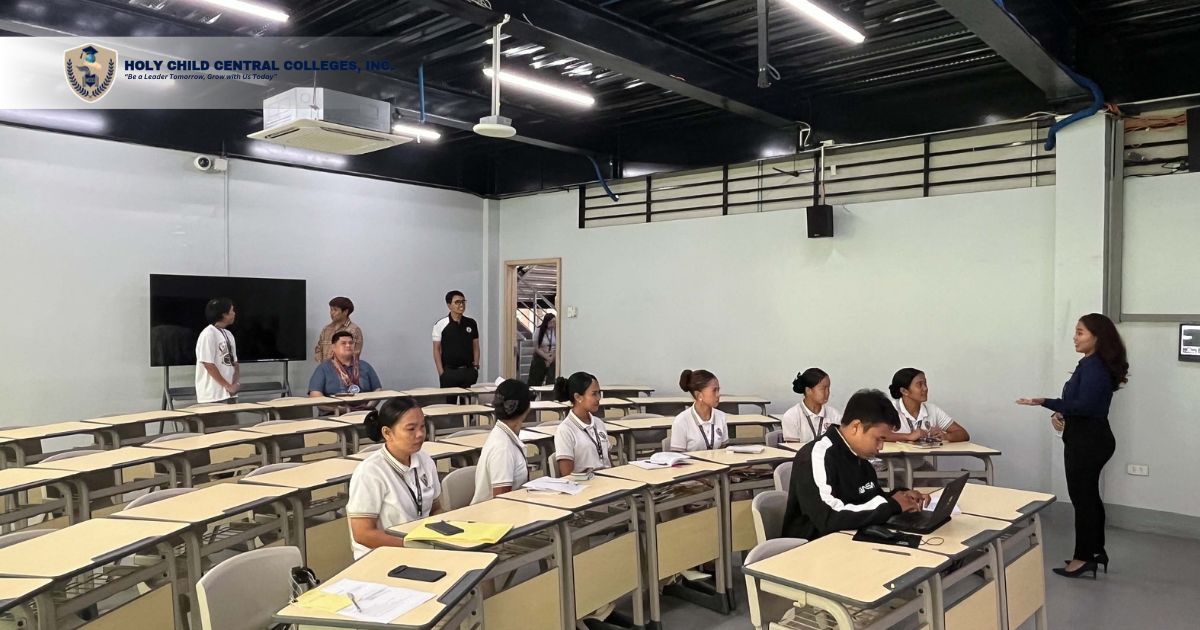
During the campus tour, the visiting officials entered HCCCI’s smart classroom while a class was already in session, allowing them to observe technology-enabled teaching and learning in an actual instructional setting. Rather than viewing the facility as a demonstration space alone, the guests witnessed how the classroom’s technological capabilities were being used during a live lesson conducted by a faculty member from the Bachelor of Technical-Vocational Teacher Education (BTVTED) program.
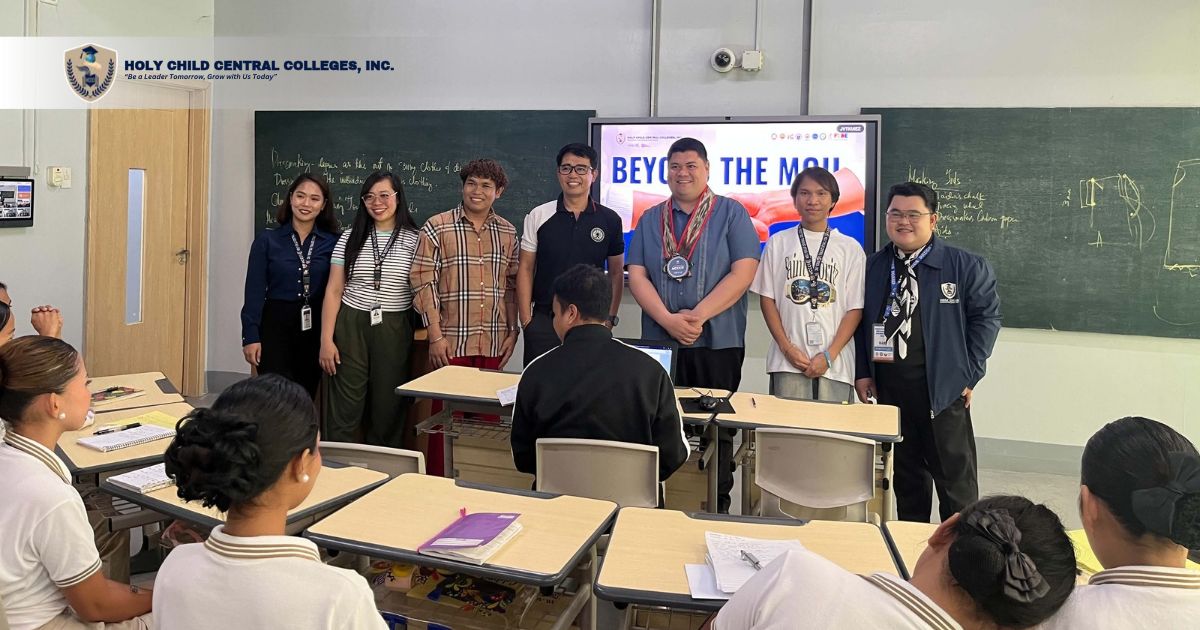
The classroom visit highlighted the importance of integrating technology into everyday instruction. For teacher education, access to technology-enabled learning environments provides opportunities to explore how digital tools and instructional resources can support lesson delivery and student engagement. The live class illustrated how institutional investments in educational technology can be connected with actual teaching practice and the preparation of future educators.
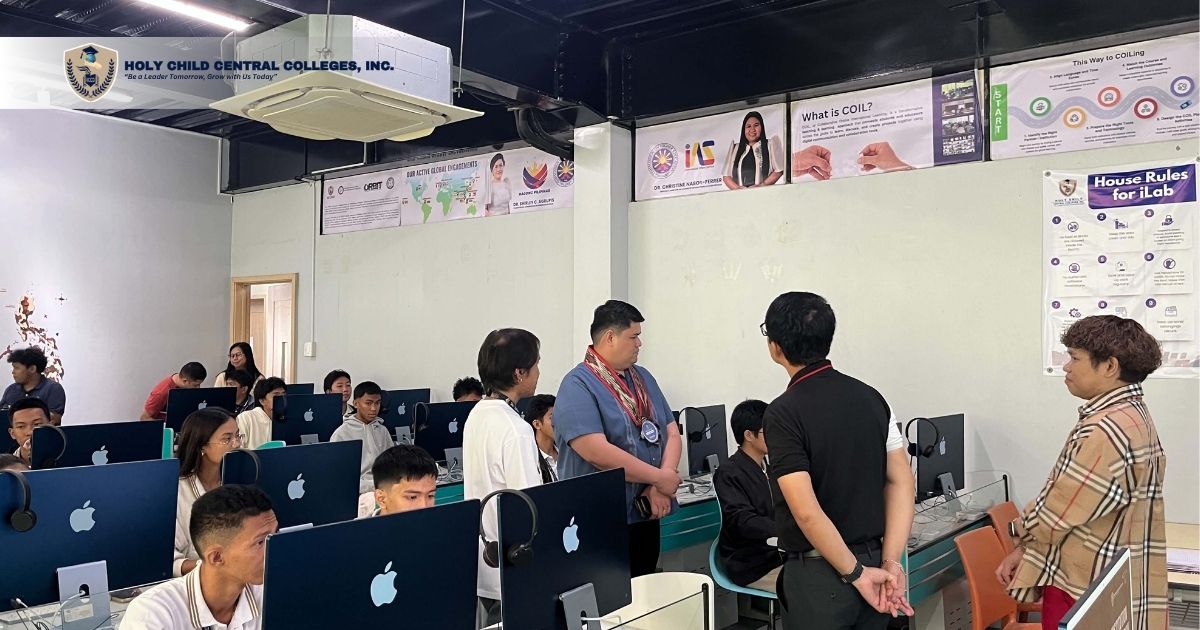
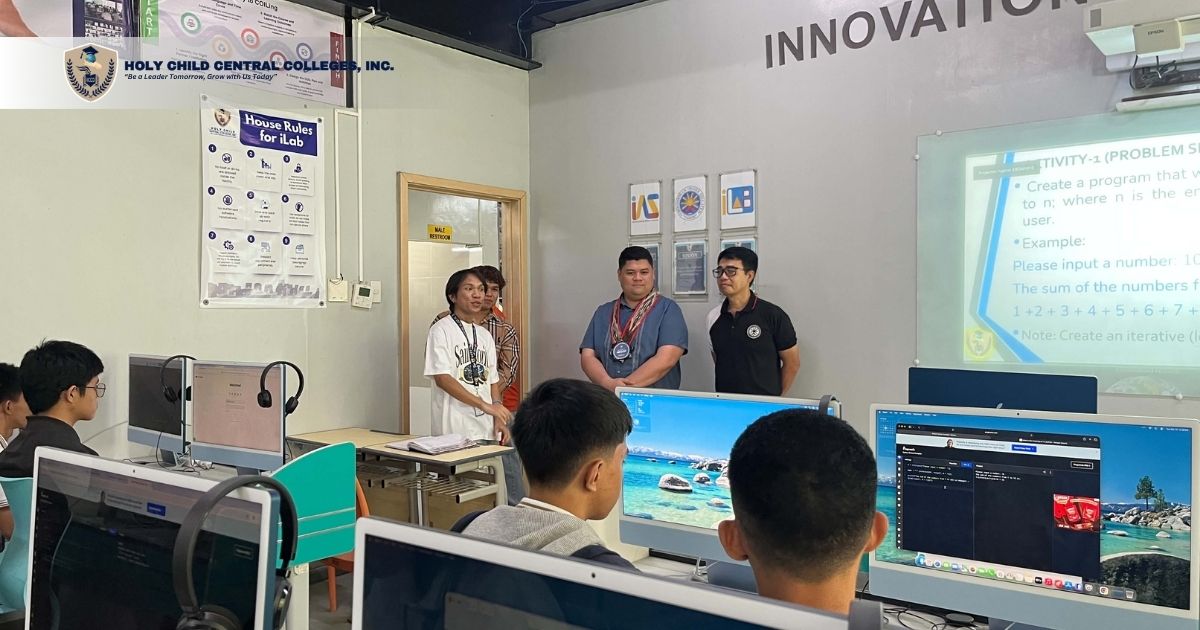
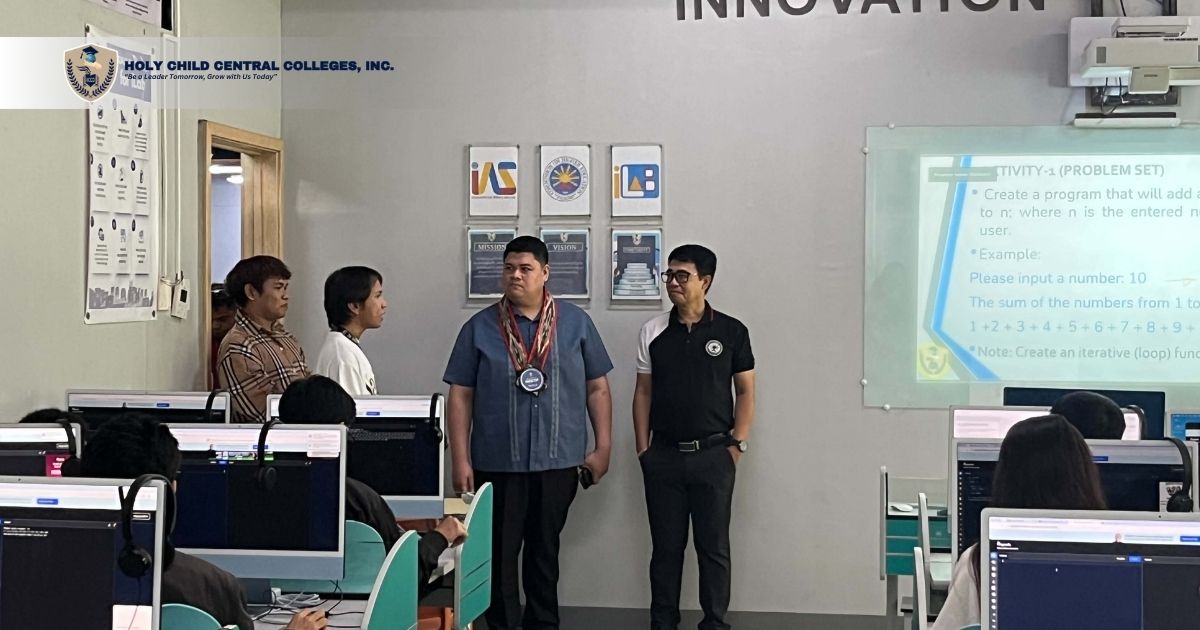
The delegation also visited the Innovation Laboratory (iLab), where another class was in progress. Observing students engaged in their regular learning activities allowed the guests to see the laboratory in use as part of HCCCI’s academic environment. The visit emphasized the role of specialized learning spaces in supporting practical, collaborative, and innovation-oriented education, while demonstrating that the institution’s facilities serve active teaching and learning needs.
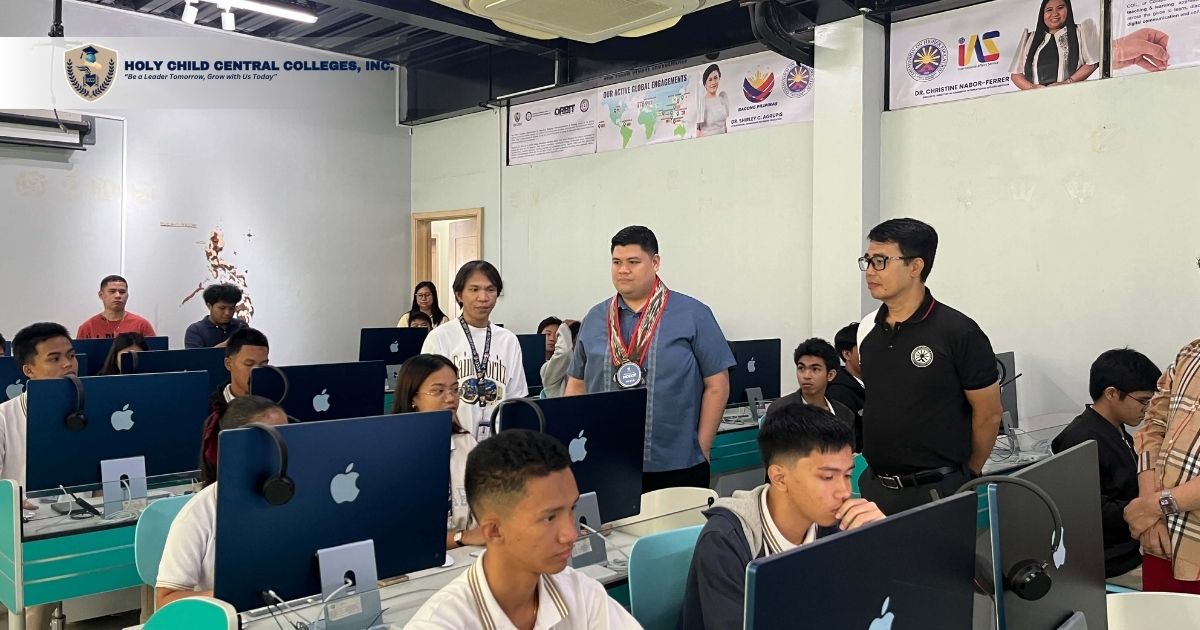
These visits provided a view of HCCCI’s approach to developing learning environments that connect infrastructure with classroom application. By observing ongoing classes in both the smart classroom and iLab, the officials could see how technology-enabled and specialized spaces form part of students’ learning experiences rather than functioning solely as institutional showcases.
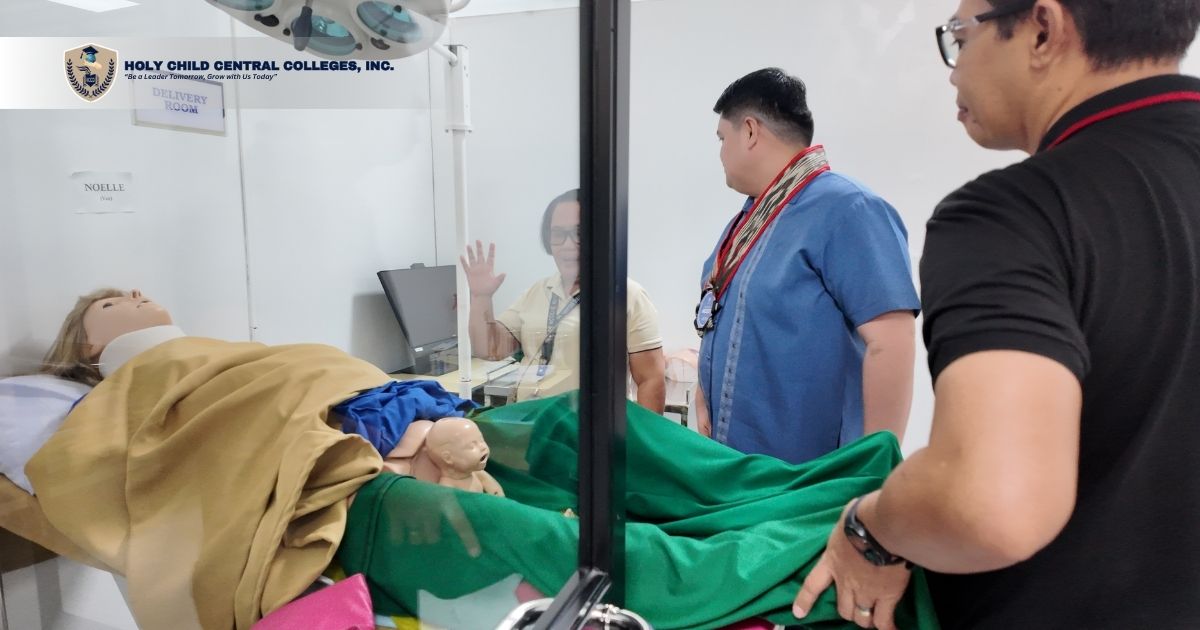
The campus tour also included HCCCI’s Nursing Complex, which supports the institution’s Bachelor of Science in Nursing (BSN) program, launched in June 2026. The delegation was introduced to the facilities designed to support nursing education, providing students with learning environments that foster the development of essential knowledge, clinical skills, and practical competencies. With 37 students currently enrolled in the program, the visit highlighted HCCCI’s ongoing commitment to strengthening its healthcare education offerings and preparing future nursing professionals through appropriate learning facilities and resources.
Beyond its physical facilities, HCCCI also shared the impact of its internationalization initiatives, particularly Collaborative Online International Learning (COIL) and virtual exchanges, through which students and faculty engage with academic communities beyond the Philippines. HCCCI has developed connections with more than 45 international partners, providing a foundation for collaborative learning, intercultural exchange, and broader academic engagement.
Through COIL and virtual exchanges, HCCCI creates opportunities for students to work with international peers, exchange perspectives, and participate in collaborative activities without the requirement of physical travel. These initiatives extend international learning to students within their regular academic environment and help develop communication, collaboration, and intercultural competencies. They also allow faculty members to explore collaborative teaching approaches and build relationships with educators from other institutions.
Sharing these initiatives with CHED leadership highlighted how internationalization can complement campus-based learning and institutional development. HCCCI’s experience demonstrates that global engagement can take different forms, from technology-enabled classroom instruction to virtual collaboration and international academic partnerships. These efforts support the institution’s continuing goal of providing students with learning experiences that prepare them to participate in an increasingly interconnected world.
The visit also provided an opportunity to discuss HCCCI’s continuing efforts in quality assurance, educational innovation, and academic development. The combination of active classroom observations, facility visits, and discussions on international engagement reflected the interconnected nature of educational quality: effective learning depends not only on physical infrastructure but also on teaching practices, faculty development, relevant academic programs, and opportunities for students to engage with broader communities of knowledge.
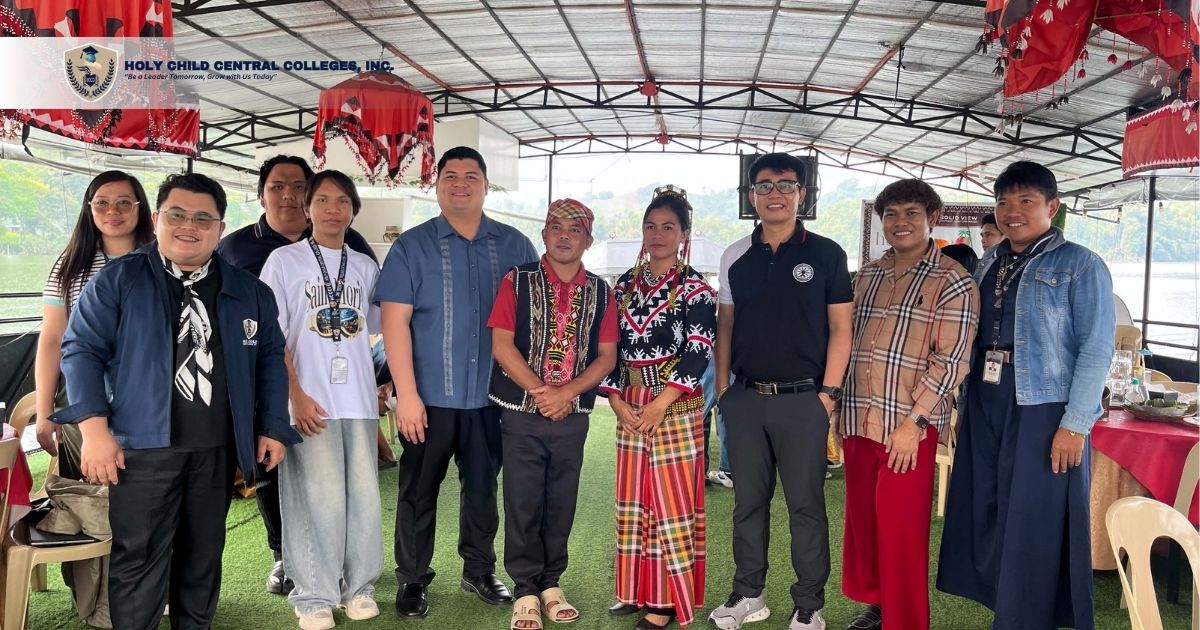
Following the campus tour, the engagement continued with a visit to Upper Valley in Lake Sebu, extending the guests’ experience beyond the HCCCI campus and into the surrounding locality. This part of the itinerary broadened the visit’s setting beyond institutional facilities. Specific activities and experiences during the Upper Valley visit may be added once confirmed to further establish its cultural, community, or institutional significance.
The engagement aligns with Sustainable Development Goal (SDG) 4: Quality Education, through technology-enabled teaching, academic development, and the preparation of future learning opportunities; SDG 9: Industry, Innovation and Infrastructure, through the use of technology-supported facilities and innovation-oriented learning spaces; and SDG 17: Partnerships for the Goals, through HCCCI’s international academic connections and engagement with higher education stakeholders.
For HCCCI, the visit was an opportunity to present its ongoing initiatives to national and regional higher education leadership while demonstrating how its facilities and partnerships support institutional priorities. From classes already underway in the smart classroom and iLab to preparations for the upcoming nursing program and the impact of international learning initiatives, the engagement provided a broader picture of the institution’s academic direction.
As HCCCI continues to strengthen its academic offerings, develop its learning facilities, and expand its international partnerships, it remains committed to continuous improvement and responsiveness to the evolving needs of higher education. Through sustained institutional development and collaboration with education stakeholders, HCCCI seeks to enhance learning opportunities and contribute to the advancement of quality higher education in the region