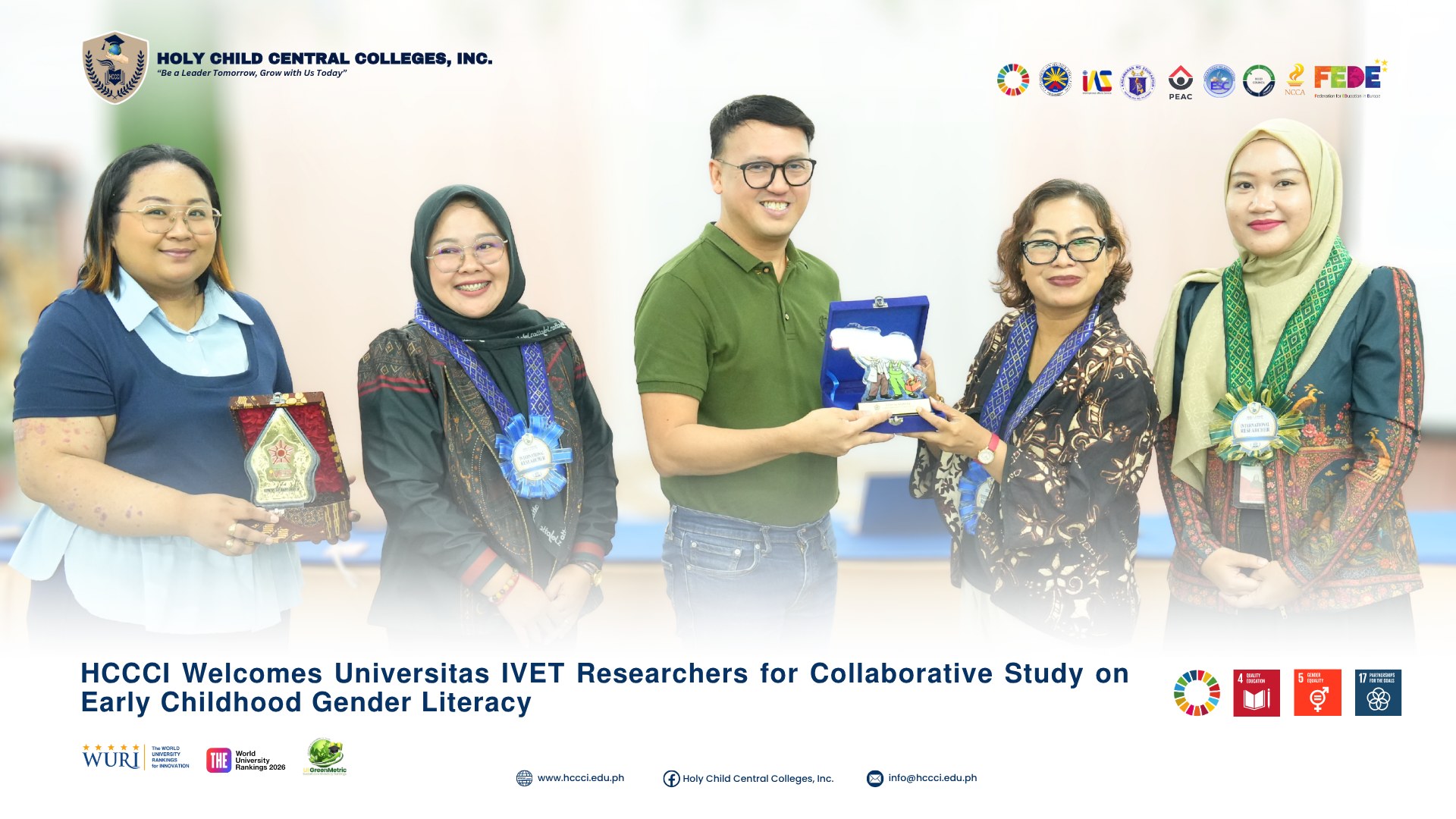
𝗛𝗖𝗖𝗖𝗜 𝗪𝗲𝗹𝗰𝗼𝗺𝗲𝘀 𝗨𝗻𝗶𝘃𝗲𝗿𝘀𝗶𝘁𝗮𝘀 𝗜𝗩𝗘𝗧 𝗥𝗲𝘀𝗲𝗮𝗿𝗰𝗵𝗲𝗿𝘀 𝗳𝗼𝗿 𝗖𝗼𝗹𝗹𝗮𝗯𝗼𝗿𝗮𝘁𝗶𝘃𝗲 𝗦𝘁𝘂𝗱𝘆 𝗼𝗻 𝗘𝗮𝗿𝗹𝘆 𝗖𝗵𝗶𝗹𝗱𝗵𝗼𝗼𝗱 𝗚𝗲𝗻𝗱𝗲𝗿 𝗟𝗶𝘁𝗲𝗿𝗮𝗰𝘆
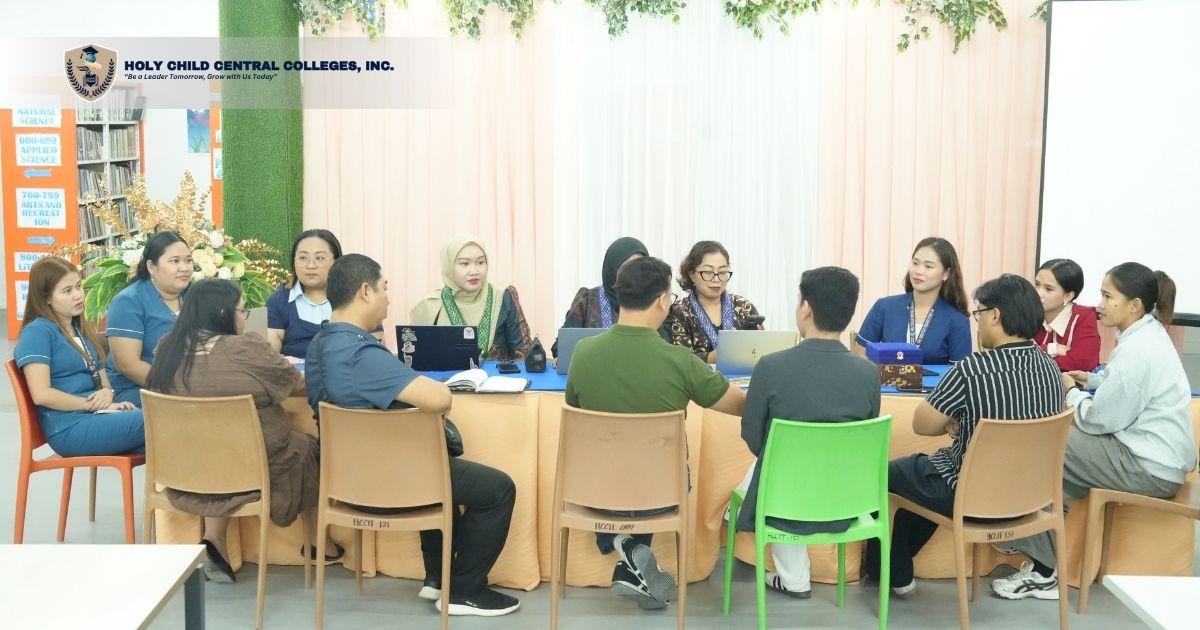
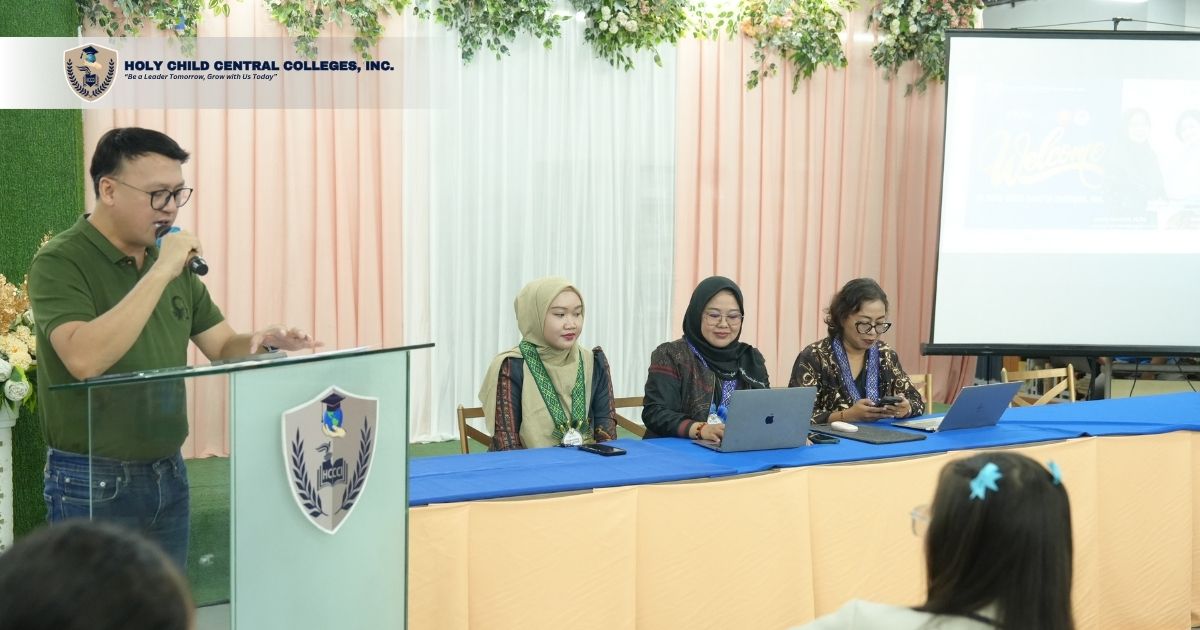
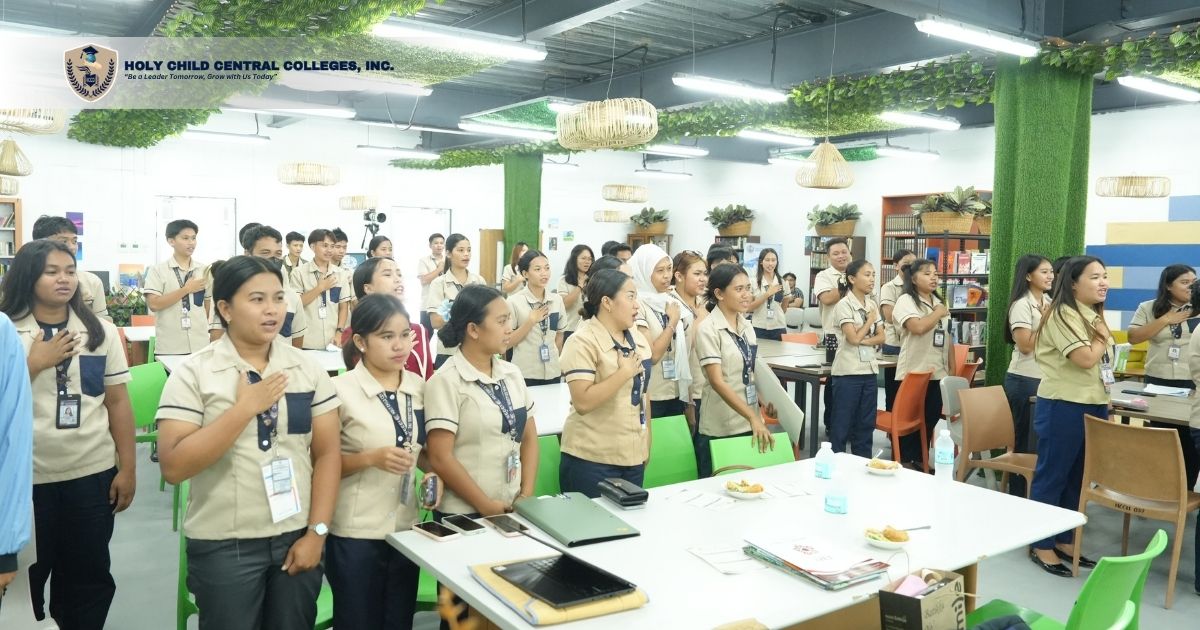
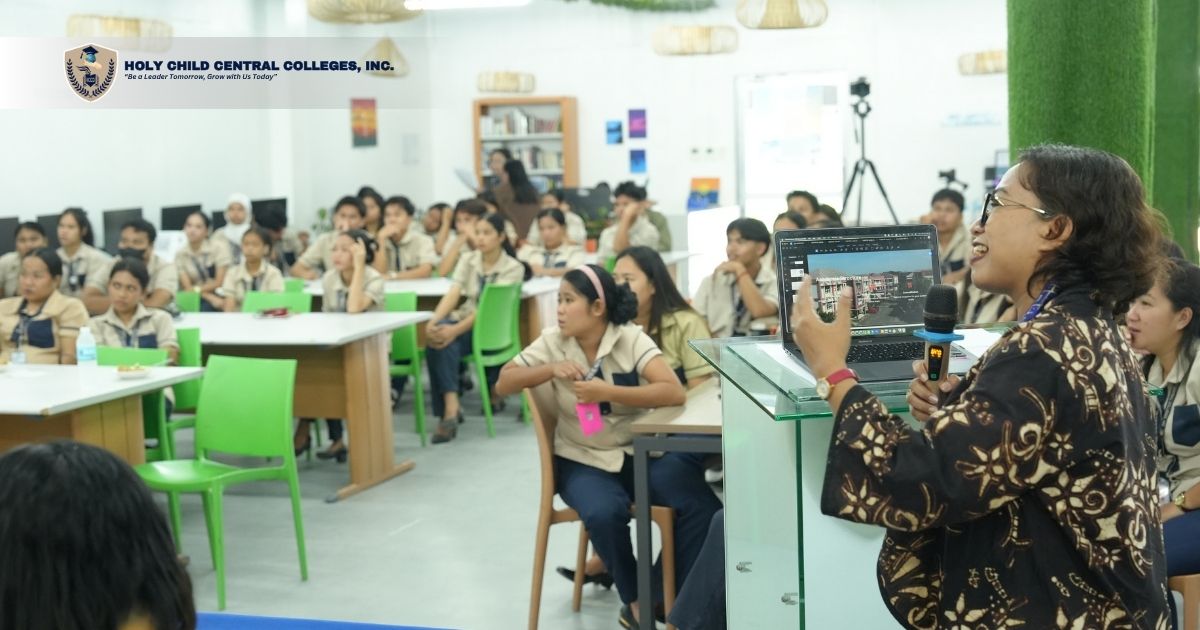
Holy Child Central Colleges, Inc. (HCCCI) warmly welcomed a delegation of researchers from Universitas IVET, Indonesia, on October 26, 2026, for a collaborative research engagement focused on the development of innovative learning resources for early childhood gender literacy. Spearheaded by HCCCI's College of Teacher Education (CTE), with the support of the International Relations Office (IRO), the initiative reflects the institution's efforts to connect teacher education, international research collaboration, and innovative instructional practices. The visit featured the presentation of You Can Be Everything (YBE), an Augmented Reality (AR) interactive book introduced to HCCCI Basic Education learners aged 4–6, with parents also given the opportunity to experience the material and share their feedback.
The engagement forms part of the research titled “Cross-Cultural Collaborative Development of an Augmented Reality Interactive Book to Strengthen Early Childhood Gender Literacy in Indonesia and in the Philippines.” The study explores how digital technology and interactive storytelling can be incorporated into educational materials that introduce gender-related concepts to young children. It also considers the importance of developing resources that are appropriate to children's developmental stages and responsive to the cultural environments in which they learn.
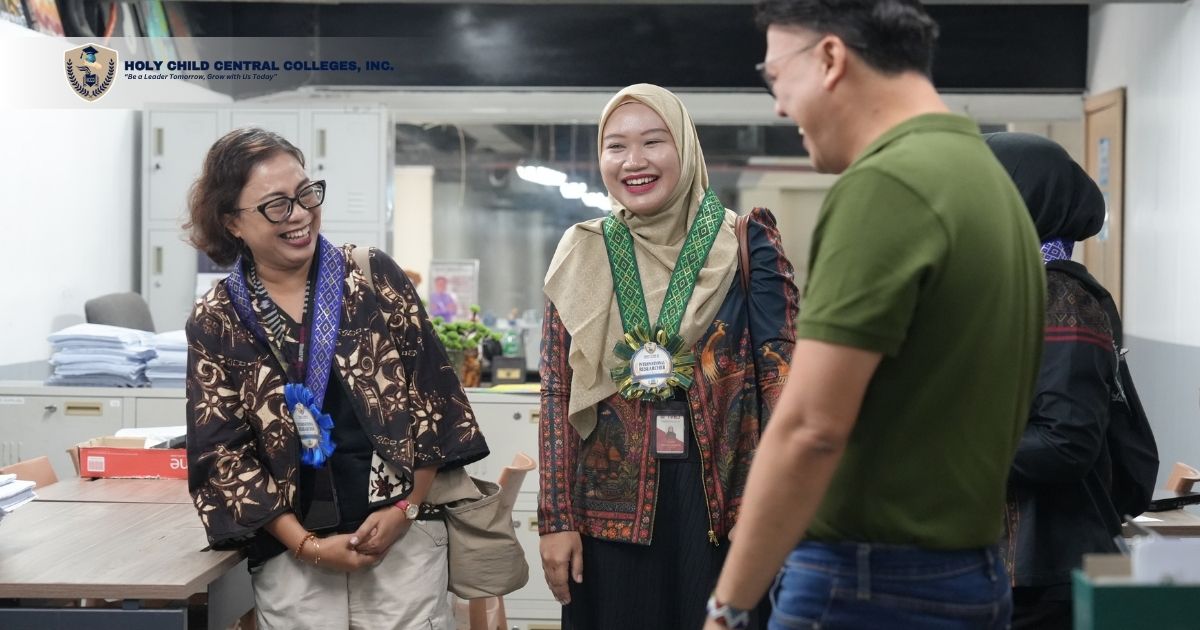
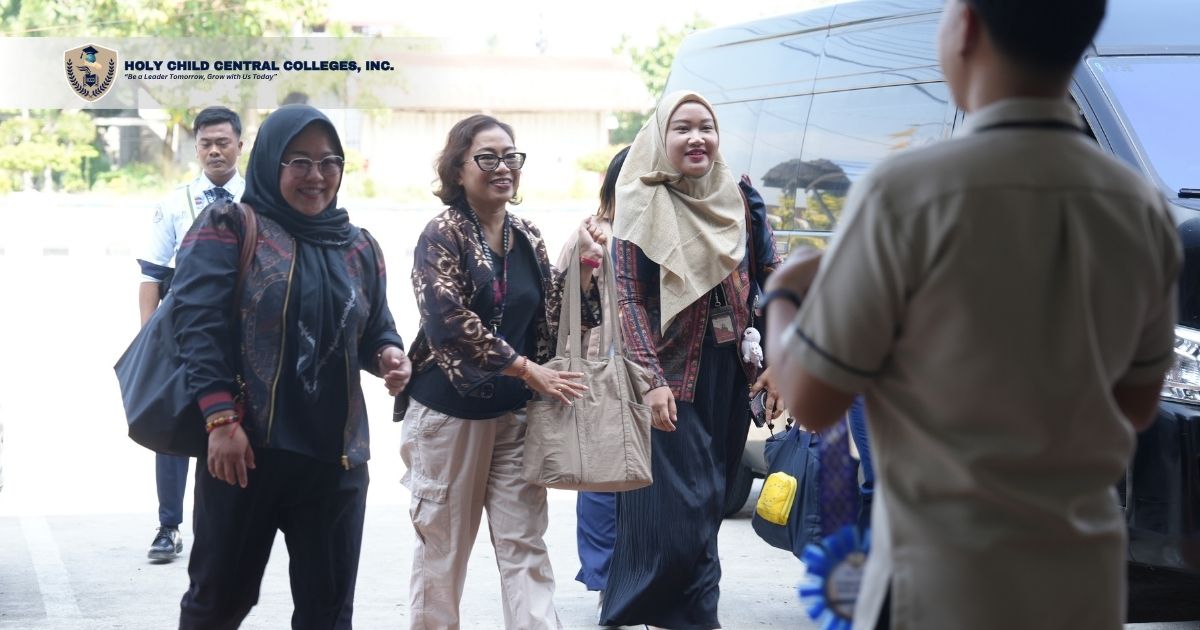
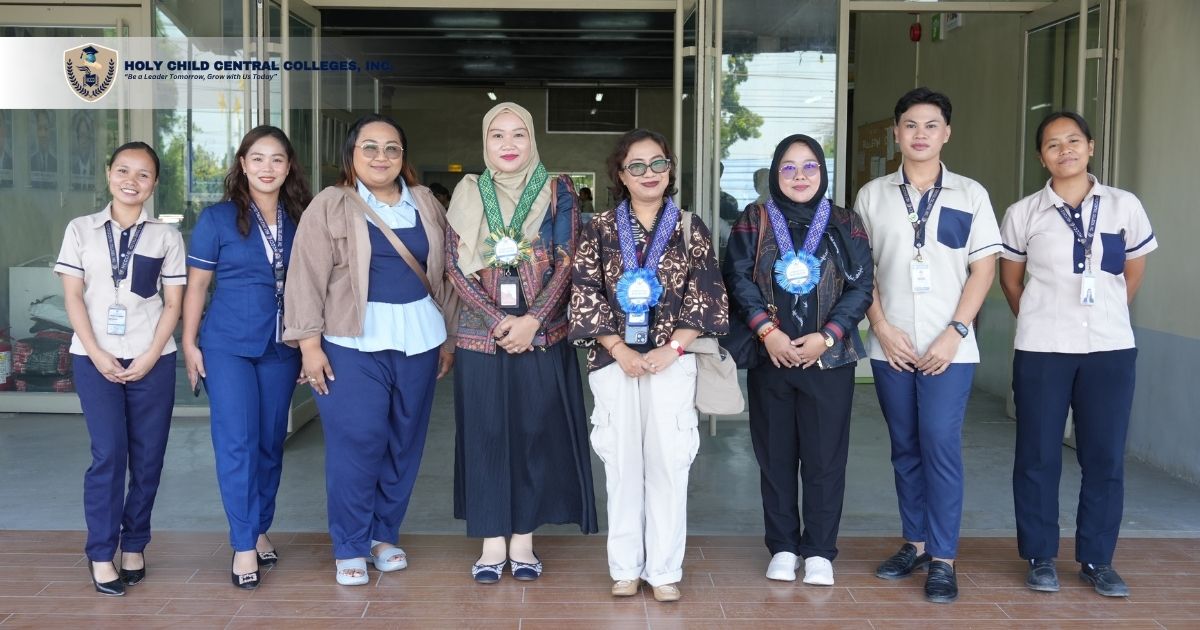
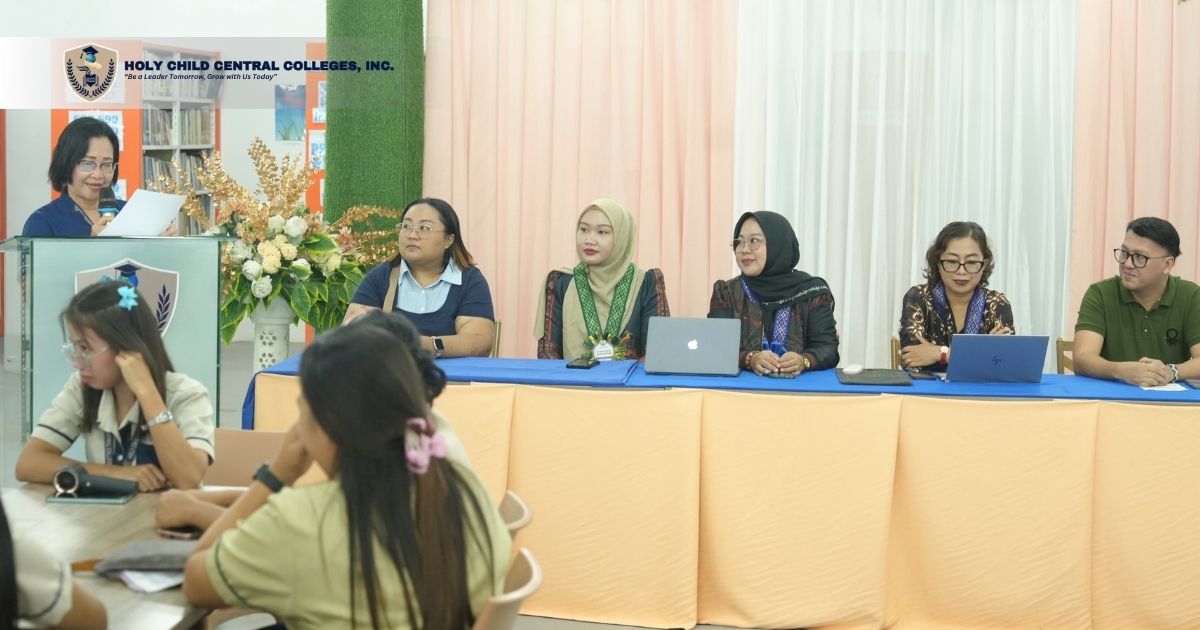
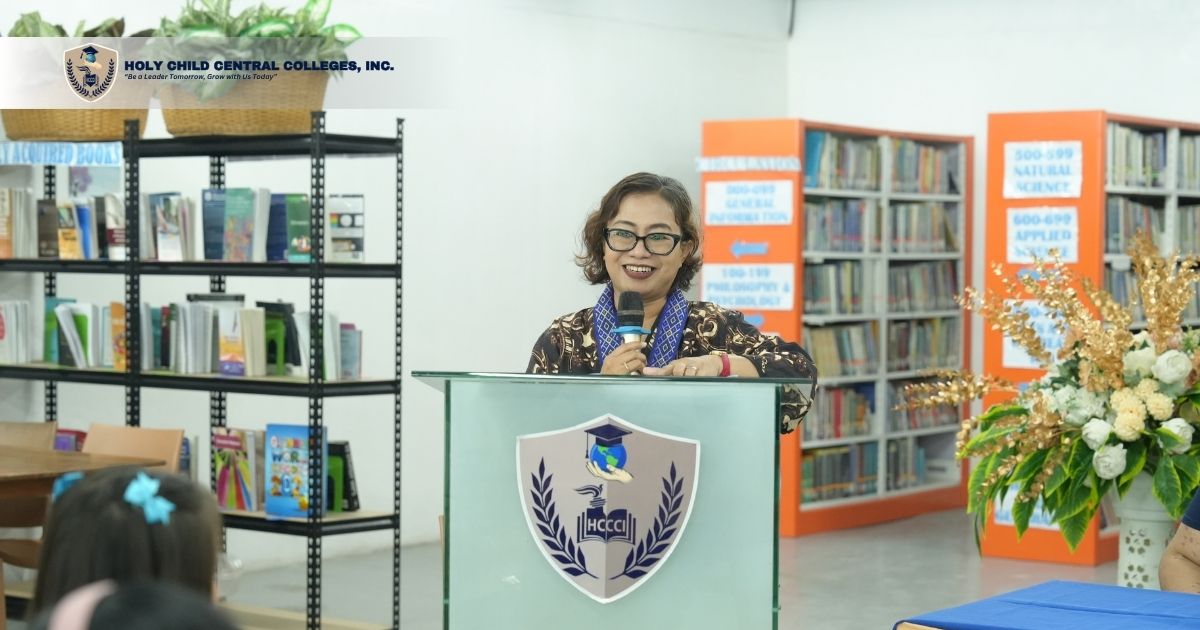
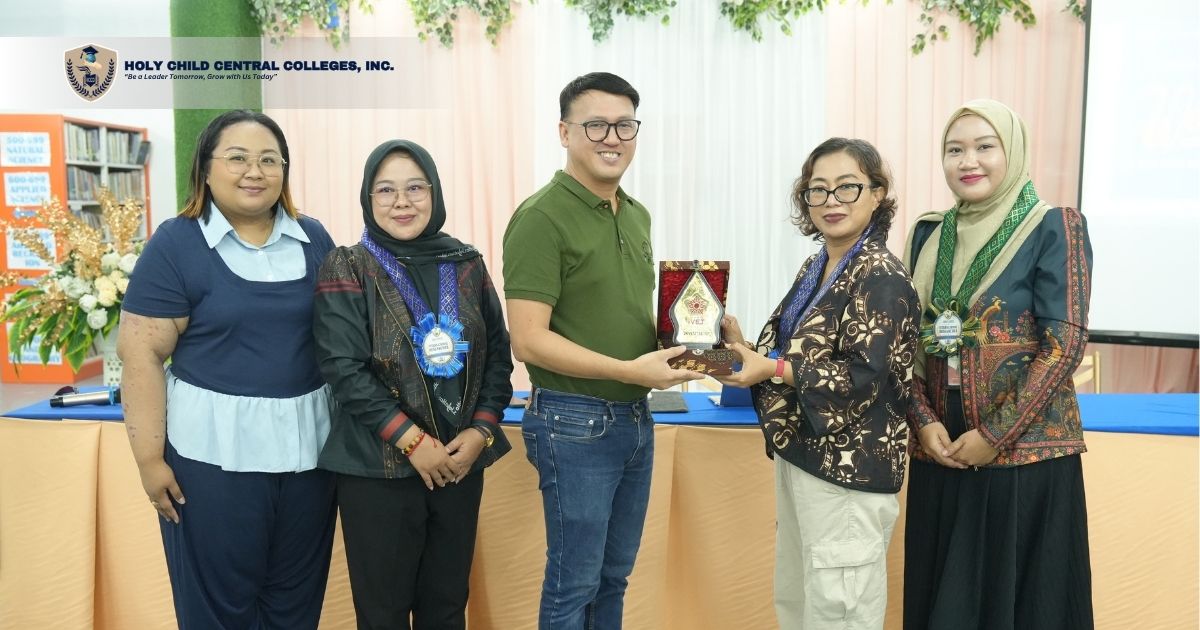
The visiting delegation comprised Dr. Maria Denok Bekti Agustiningrum, M.Pd., Lead Lecturer (Associate Professor); Lenny Kurniati, M.Pd., Lecturer (Assistant Professor); and Wahyuni Arumsari, S.K.M., M.Kes., Lecturer (Assistant Professor), all from Universitas IVET. Their visit brought together academic perspectives from Indonesia and the Philippines, providing an opportunity to present the research material, engage with HCCCI's early childhood learning environment, and exchange insights on the use of technology in education.
At the center of the activity was You Can Be Everything, an interactive book that combines traditional storytelling with Augmented Reality features. By incorporating digital elements into the reading experience, the material offers an additional way for children to explore its content. This approach recognizes that early childhood learning can take different forms, including stories, illustrations, guided interaction, and technology-supported experiences. The book's presentation allowed the researchers, educators, and participating families to become acquainted with how these elements can be brought together in a resource intended for young learners.
Beyond its technological features, the book is connected to the broader objective of strengthening gender literacy during the formative years of childhood. At this stage, stories and learning materials can introduce children to ideas about identity, individual potential, and the different possibilities available to them. The study provides an opportunity to explore how such concepts may be communicated through age-appropriate content and engaging educational experiences. Its focus is not simply on the use of Augmented Reality, but on examining how an interactive resource can support meaningful learning conversations.
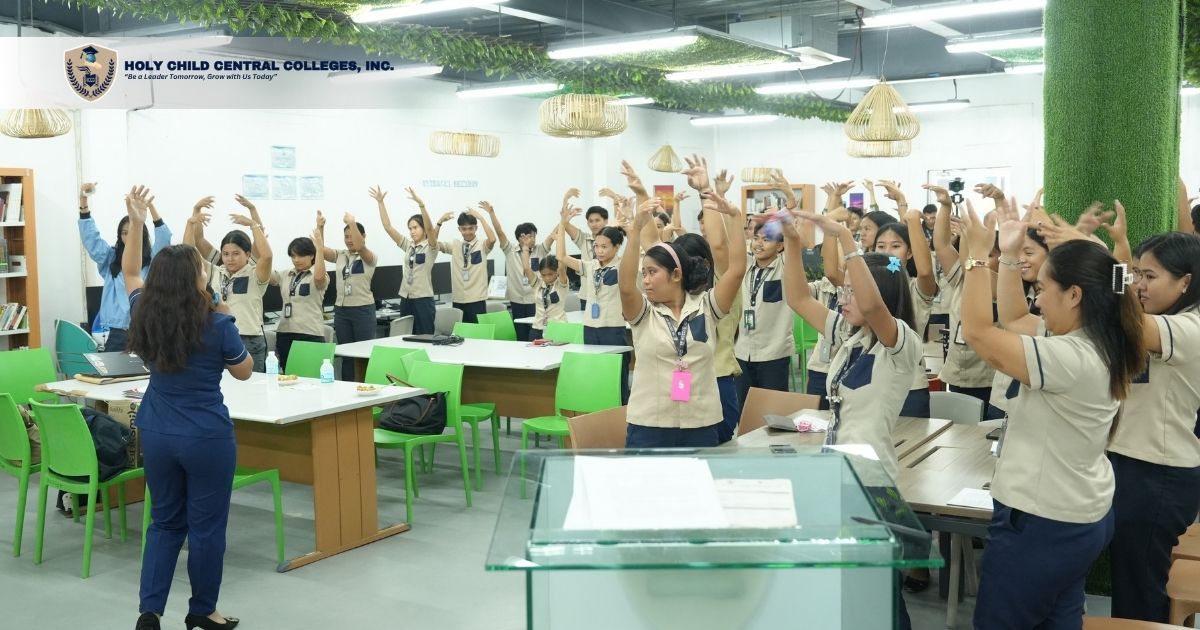
HCCCI's Basic Education learners, particularly those in the Early Childhood Care and Development (ECCD) level, participated in the presentation and introduction of the book. Their involvement gave the research team an opportunity to observe how the material was received in an actual early childhood learning setting. Introducing the resource to children at this age also highlights the importance of considering their attention, comprehension, interaction, and learning experiences when developing educational materials. These considerations are relevant to ensuring that technology-supported resources remain appropriate to the needs and capacities of their intended users.
Parents were also included in the activity, allowing them to see how the book works and understand its intended educational purpose. Their positive reception of You Can Be Everything reflected interest in its potential as a learning resource for young children. Parental feedback is an important part of considering educational materials for early childhood because families play a significant role in children's early learning experiences. Their perspectives can help inform discussions on the accessibility, relevance, and practical use of resources that may also encourage learning conversations beyond the classroom.
The cross-cultural dimension adds another important aspect to the study. Since the research involves institutions from Indonesia and the Philippines, the development of the interactive book considers the need to recognize cultural perspectives and differences in children's learning environments. Educational materials cannot be considered independently of the communities in which they are used. Their language, presentation, examples, and messages must be considered in relation to the experiences of their intended learners. Through this collaboration, the researchers have an opportunity to examine how a shared educational resource can be developed while remaining sensitive to the contexts of both countries.
For HCCCI's College of Teacher Education, spearheading this initiative provides an opportunity to translate internationalization into academic and instructional practice. By engaging in cross-cultural research with Universitas IVET, the college strengthens its exposure to emerging approaches in early childhood education, educational technology, and the development of culturally responsive learning materials. The initiative also highlights the role of teacher education institutions in contributing to research that addresses relevant educational concerns and connects academic inquiry with the needs of actual learners.
The International Relations Office supports this effort by facilitating international engagement and helping connect HCCCI's academic initiatives with opportunities for collaboration beyond the Philippines. This coordination underscores the complementary roles of academic units and institutional internationalization support in developing partnerships that have a clear academic purpose. Through this arrangement, internationalization becomes more than establishing external connections; it creates opportunities for faculty members, researchers, and learners to participate in collaborative activities that may enrich teaching, research, and institutional development.
The initiative is thematically aligned with Sustainable Development Goal 4 (Quality Education) through its exploration of innovative and inclusive educational resources, and Sustainable Development Goal 5 (Gender Equality) through its focus on early childhood gender literacy. It also supports the broader direction of Sustainable Development Goal 17 (Partnerships for the Goals) by encouraging research cooperation and knowledge exchange between higher education institutions in Indonesia and the Philippines.
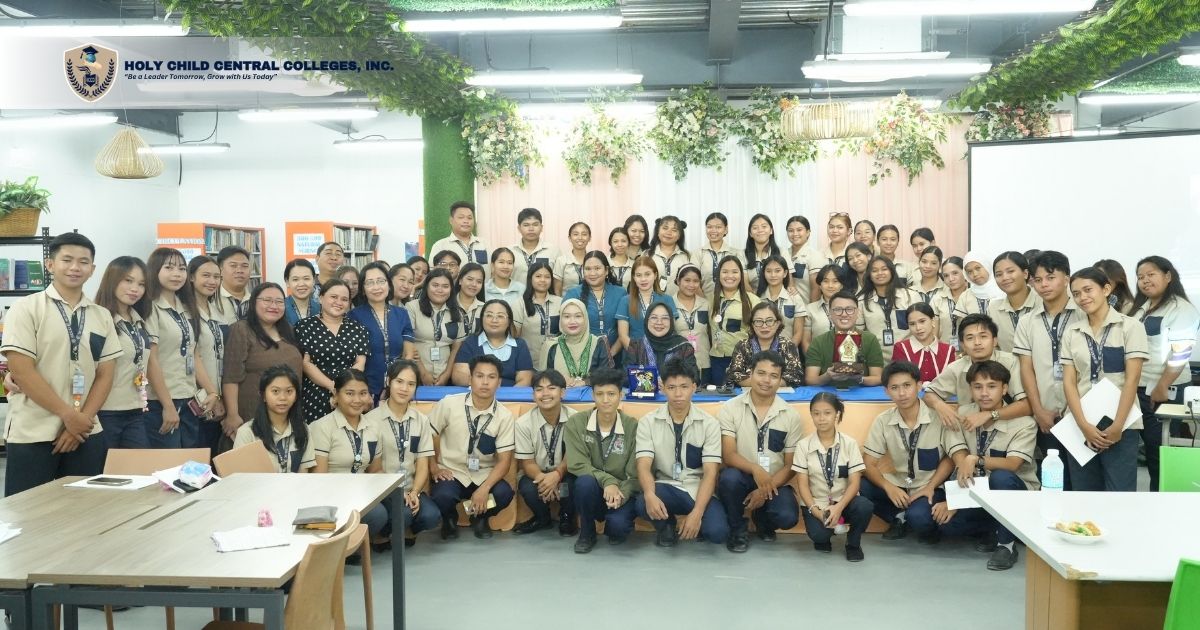
The collaboration also reflects HCCCI's commitment to internationalization, research development, and innovation in education. It demonstrates the value of teamwork and creativity, as emphasized in the institution's STAIRS core values, through the shared efforts of academic units, international partners, educators, learners, and parents in exploring an educational resource with cross-cultural relevance.
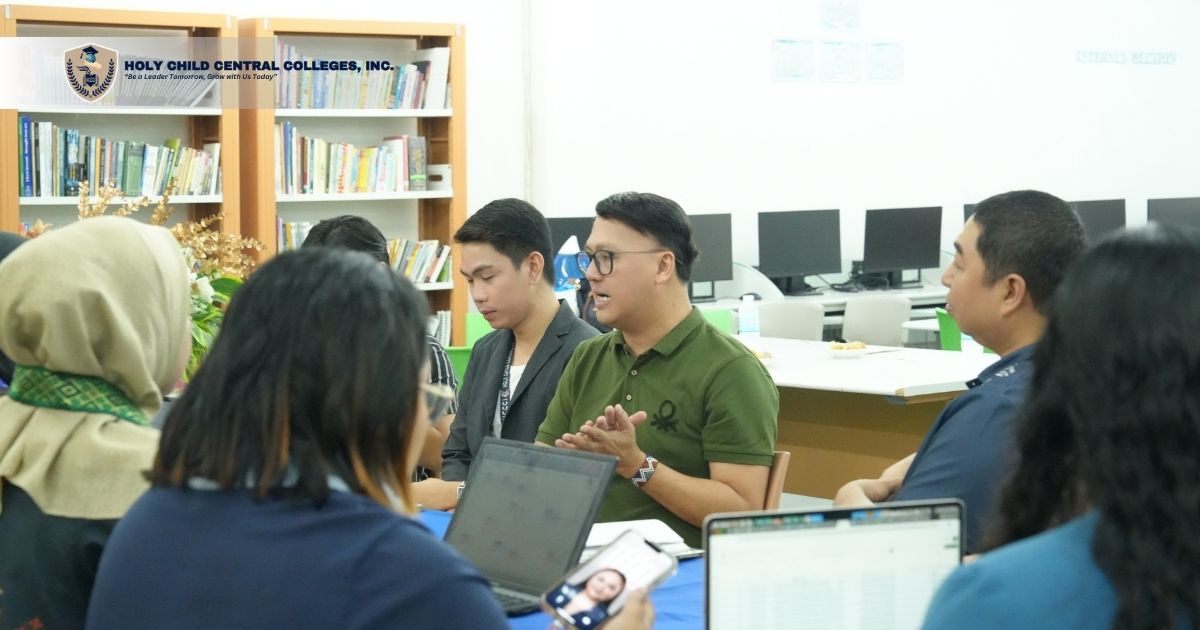
Through the initiative spearheaded by the College of Teacher Education and supported by the International Relations Office, HCCCI continues to pursue international collaborations that connect global academic engagement with local educational needs. The presentation of You Can Be Everything offers a concrete example of how storytelling and interactive technology can be explored in support of early childhood education, while the research provides a foundation for continued academic inquiry into culturally responsive and gender-sensitive learning resources.