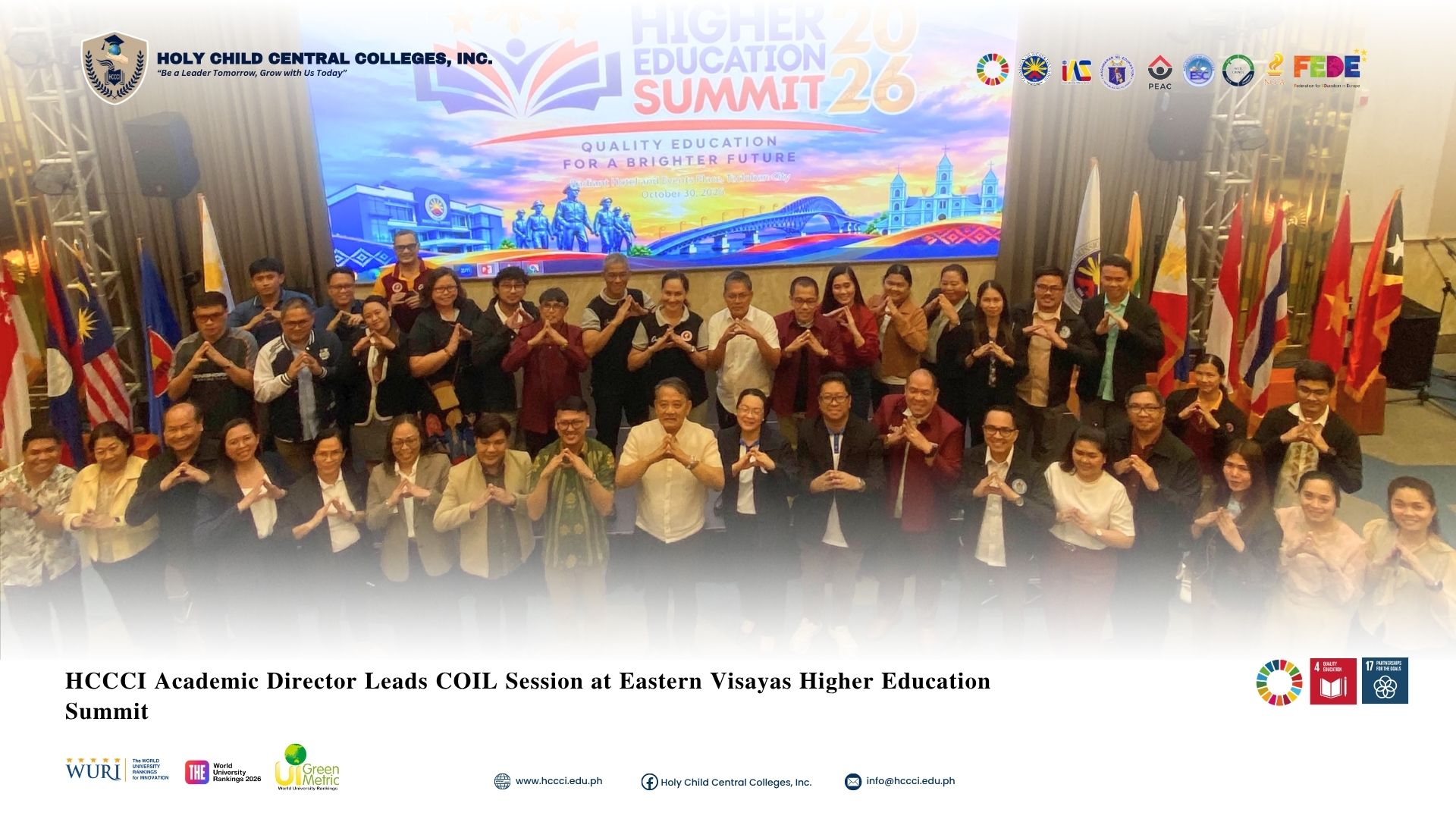
𝐇𝐂𝐂𝐂𝐈 𝐀𝐜𝐚𝐝𝐞𝐦𝐢𝐜 𝐃𝐢𝐫𝐞𝐜𝐭𝐨𝐫 𝐋𝐞𝐚𝐝𝐬 𝐂𝐎𝐈𝐋 𝐒𝐞𝐬𝐬𝐢𝐨𝐧 𝐚𝐭 𝐄𝐚𝐬𝐭𝐞𝐫𝐧 𝐕𝐢𝐬𝐚𝐲𝐚𝐬 𝐇𝐢𝐠𝐡𝐞𝐫 𝐄𝐝𝐮𝐜𝐚𝐭𝐢𝐨𝐧 𝐒𝐮𝐦𝐦𝐢𝐭
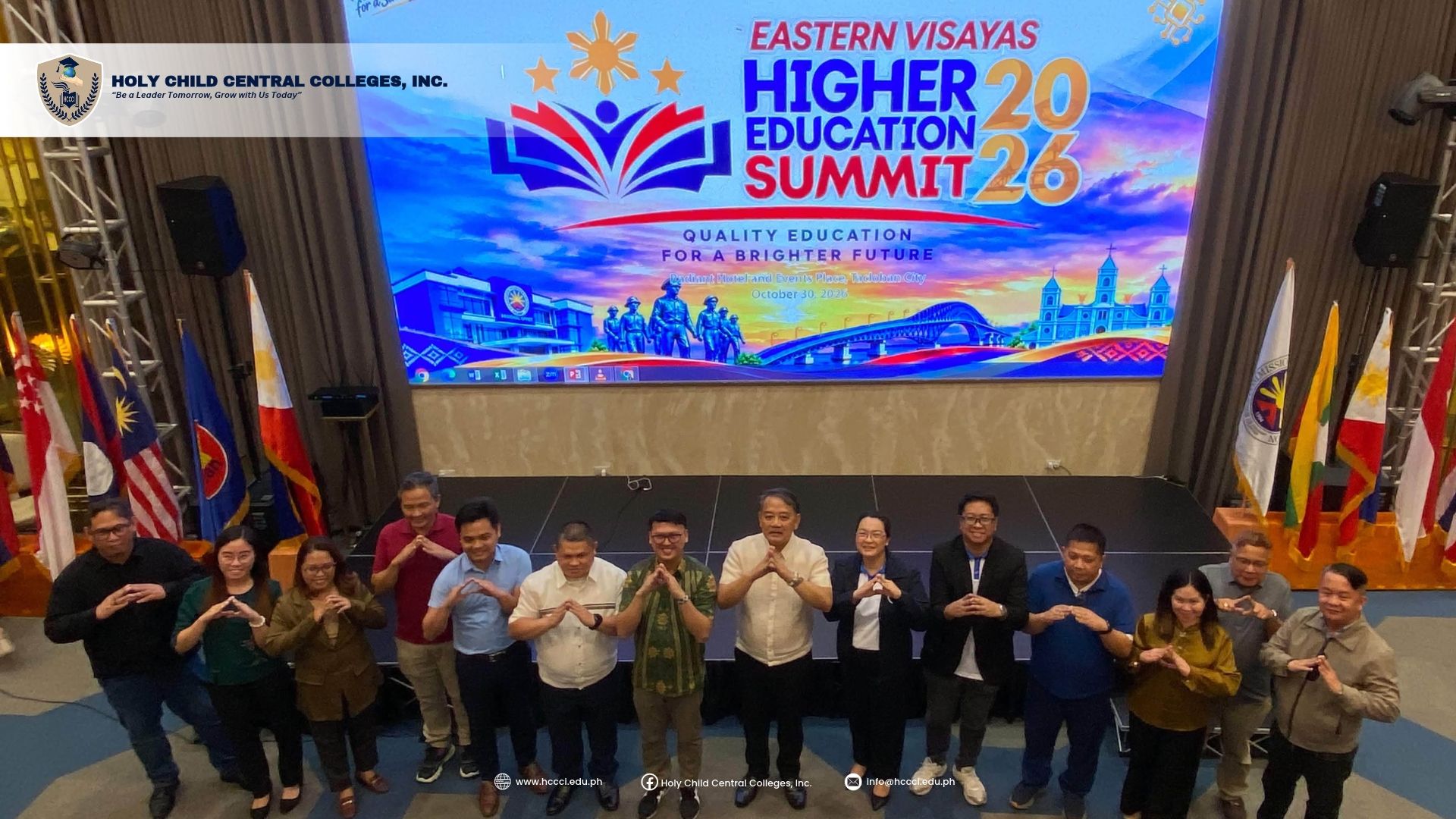
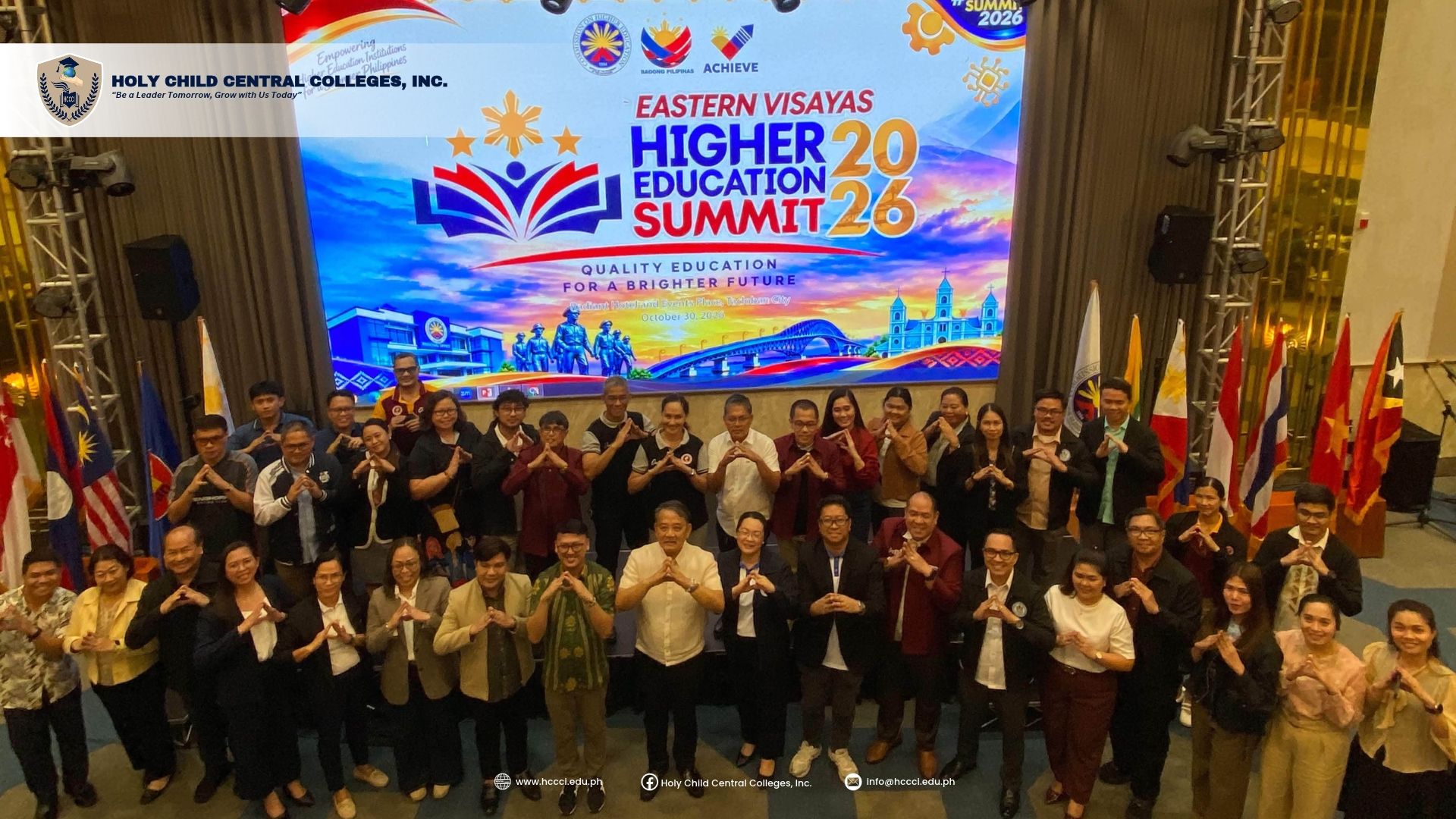
Holy Child Central Colleges, Inc. (HCCCI), through its Academic Director, Dr. Erwin M. Faller, contributed to regional discussions on internationalization, innovative teaching approaches, and the future of higher education during the Eastern Visayas Higher Education Summit: Convergence for Future-Ready Higher Education held on October 30, 2026, at Radiant Hotel and Events Place in Tacloban City. Organized by the Commission on Higher Education (CHED) Regional Office VIII, the summit brought together higher education leaders, academic representatives, and institutional stakeholders to exchange perspectives on strengthening higher education institutions, expanding international engagement, and responding to the evolving demands of a globally interconnected society.
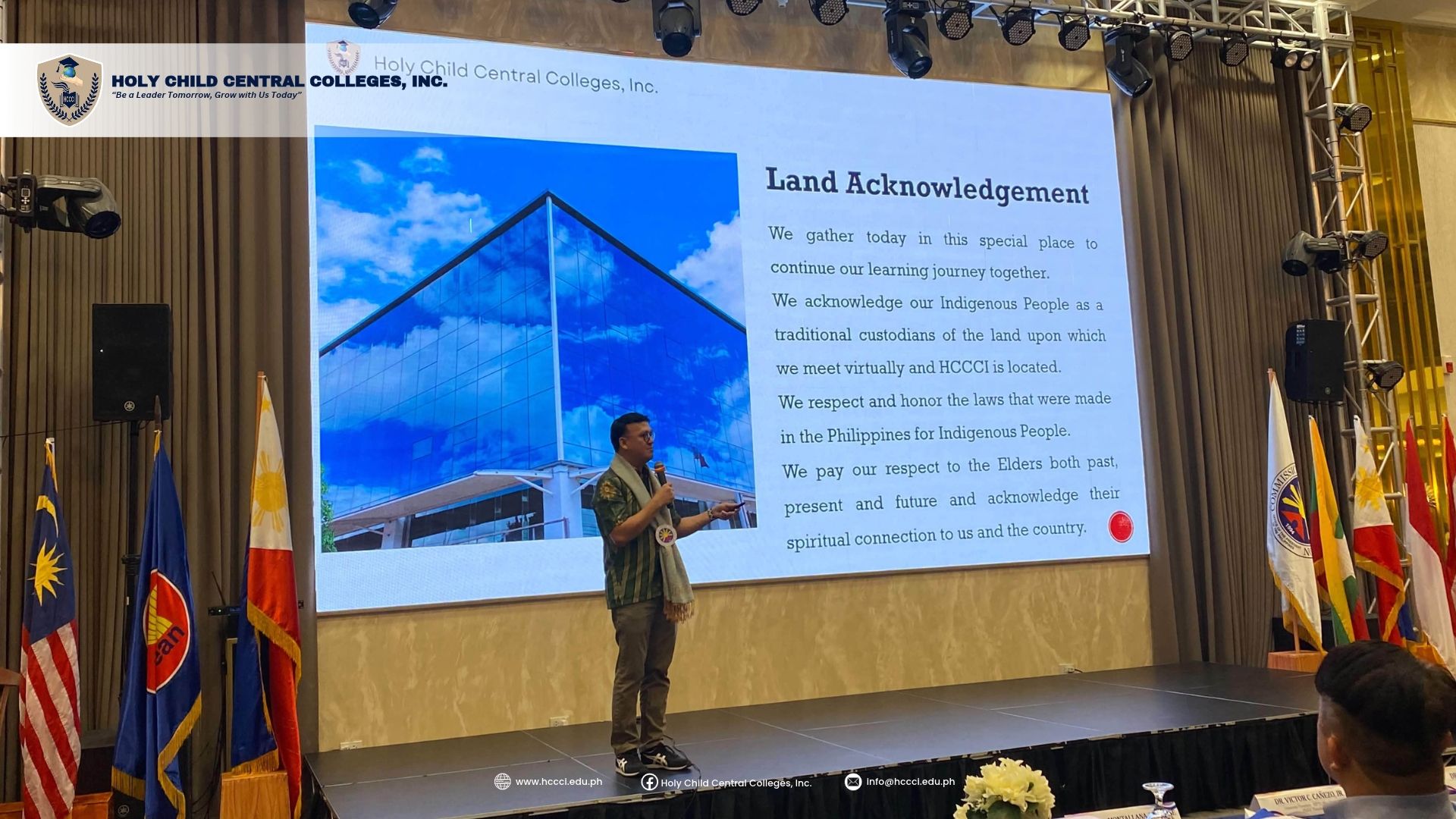
Dr. Faller served as facilitator of the session “Introduction to Collaborative Online International Learning (COIL),” where he presented COIL as an innovative approach to international education that connects students and educators from different countries through structured online collaborative learning experiences. The session explored how faculty members can integrate international perspectives into their courses by designing shared learning activities with partner institutions abroad. Through virtual collaboration, students gain opportunities to engage with different cultures, compare perspectives, exchange knowledge, and work collectively on academic topics while remaining in their respective institutions.
The discussion also emphasized COIL's potential to make internationalization more accessible and inclusive. Unlike traditional international mobility programs that require travel and substantial resources, COIL can provide cross-border learning experiences through digital platforms and collaborative classroom activities. This approach allows institutions to bring international engagement directly into the curriculum and extend opportunities for intercultural interaction to a wider range of students. It also encourages faculty members to rethink instructional strategies, develop collaborative course designs, and establish academic connections beyond national boundaries.
Beyond its contribution to internationalization, COIL offers a practical pathway for higher education institutions to advance the United Nations Sustainable Development Goals (SDGs) through teaching, learning, and institutional partnerships. Its strongest connection is with SDG 4: Quality Education, particularly Target 4.7, which calls for learners to acquire the knowledge and skills needed to promote sustainable development, including education for global citizenship, appreciation of cultural diversity, and a culture of peace. By exposing students to international perspectives and collaborative problem-solving, COIL can help develop the intercultural awareness, critical thinking, and global competencies needed to engage with complex social and development issues.
COIL also supports the broader sustainability agenda by creating opportunities for students and faculty to examine shared challenges through cross-cultural academic collaboration. Depending on the course design and learning objectives, these collaborations may address themes such as gender equality, climate action, responsible consumption, public health, inclusive communities, and other development priorities. In this way, international learning becomes more than an exchange of cultural perspectives; it can serve as a platform for examining real-world issues and understanding how local experiences connect to global development concerns.
The approach further reinforces SDG 17: Partnerships for the Goals, particularly Targets 17.16 and 17.17, which emphasize strengthening multi-stakeholder partnerships and encouraging effective cooperation. COIL provides a framework through which higher education institutions can establish academic collaborations, share expertise, co-develop learning activities, and mobilize institutional resources. These partnerships can contribute to sustained knowledge exchange and create opportunities for joint educational initiatives across countries. For HCCCI, this reinforces the importance of international linkages not only as institutional connections but also as mechanisms for improving teaching, expanding learning opportunities, and contributing to sustainable development.
The summit also featured contributions from key academic and government representatives, including Dr. Maximo C. Aljibe, CESO III, Regional Director of CHED Regional Office VIII, who delivered the welcome message, and Hon. Michelle Aguilar-Ong, who served as keynote speaker for the program's international-level discussion. The afternoon program highlighted internationalization practices from Southern Leyte State University, Visayas State University, Abuyog Community College, and Samar Colleges, Inc., alongside a cultural presentation by Leyte Normal University. A regular meeting of higher education institution presidents and heads was also conducted, providing a platform for institutional updates, sector-wide discussions, and continued engagement among higher education leaders.
Dr. Faller's participation reflects HCCCI's continuing engagement in regional academic conversations and its commitment to advancing internationalization as a strategic dimension of institutional development. By sharing COIL as an accessible and collaborative model, HCCCI contributes to broader efforts to strengthen teaching practices, expand international learning opportunities, and encourage higher education institutions to integrate global perspectives into their academic programs. The engagement also underscores the role of academic leadership in translating internationalization strategies and sustainable development priorities into meaningful educational experiences.
Through initiatives that connect local classrooms with international academic communities, HCCCI recognizes that quality education must prepare learners not only for professional opportunities but also for responsible participation in an interconnected world. The institution's engagement in the summit reinforces its commitment to SDG 4 (Quality Education) through inclusive, innovative, and globally oriented learning, and SDG 17 (Partnerships for the Goals) through strengthened academic cooperation, knowledge exchange, and collaborative approaches to sustainable development.
.
.