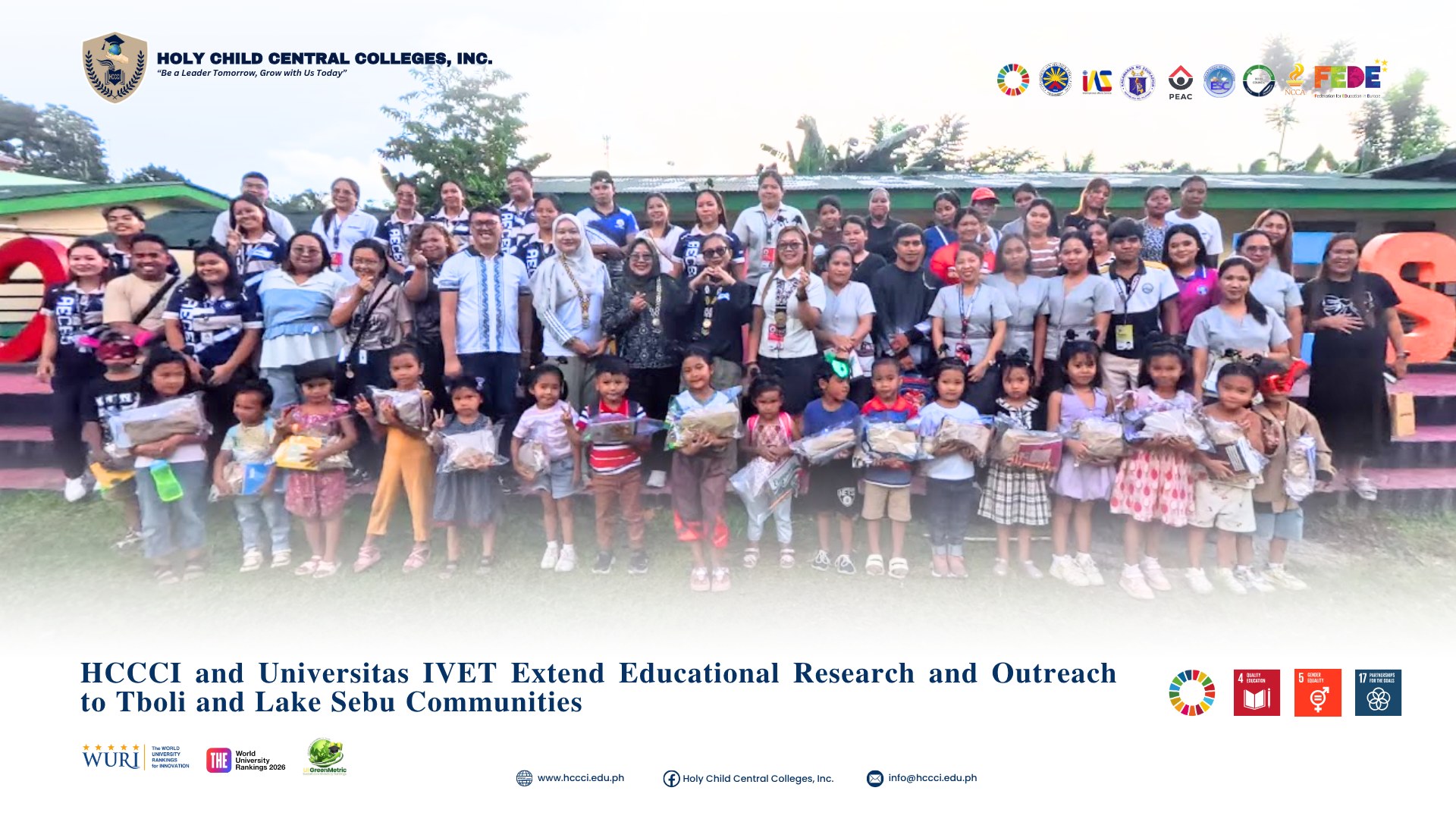
𝐇𝐂𝐂𝐂𝐈 𝐚𝐧𝐝 𝐔𝐧𝐢𝐯𝐞𝐫𝐬𝐢𝐭𝐚𝐬 𝐈𝐕𝐄𝐓 𝐄𝐱𝐭𝐞𝐧𝐝 𝐄𝐝𝐮𝐜𝐚𝐭𝐢𝐨𝐧𝐚𝐥 𝐑𝐞𝐬𝐞𝐚𝐫𝐜𝐡 𝐚𝐧𝐝 𝐎𝐮𝐭𝐫𝐞𝐚𝐜𝐡 𝐭𝐨 𝐓𝐛𝐨𝐥𝐢 𝐚𝐧𝐝 𝐋𝐚𝐤𝐞 𝐒𝐞𝐛𝐮 𝐂𝐨𝐦𝐦𝐮𝐧𝐢𝐭𝐢𝐞𝐬
Holy Child Central Colleges, Inc. (HCCCI), through its College of Teacher Education (CTE), and researchers from Universitas IVET, Indonesia, continued their international collaborative research activities in Tboli and Lake Sebu, South Cotabato, on October 28, 2026. The engagement brought together research, school-based activities, cultural exchange, and community outreach as part of the GENDER-AR project, an initiative focused on developing an augmented reality (AR) interactive book to support early childhood gender literacy.
The activities were conducted in two elementary schools, beginning at Lugan Central Elementary School in Tboli and continuing at Lake Sebu Central Elementary School. Through these school visits, the research team engaged with teachers and young learners in activities designed to gather perspectives and observations relevant to the development of the proposed educational resource. Conducting the activities in different school settings also allowed the researchers to engage with communities whose educational experiences and contexts can help inform the project's development.
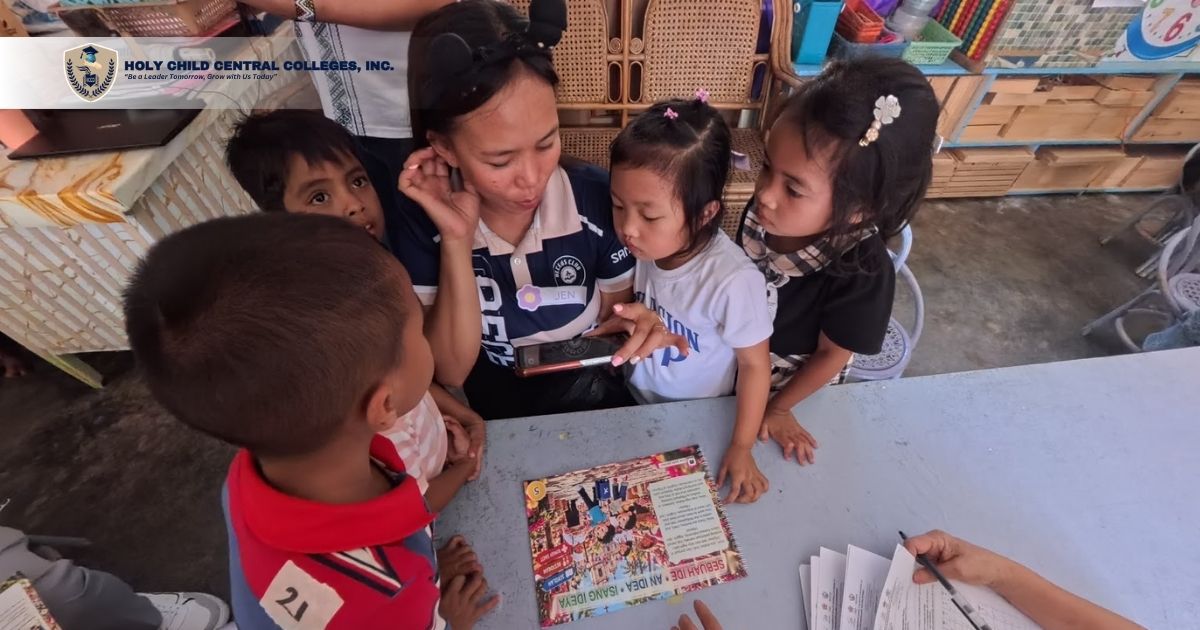
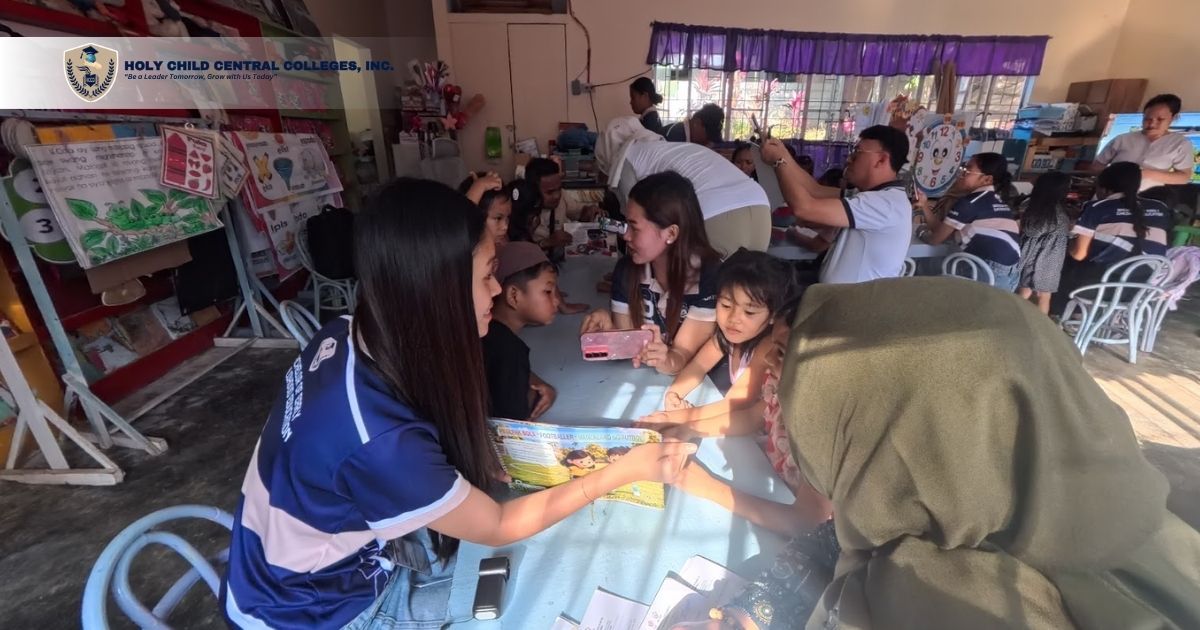
At Lugan Central Elementary School, the team conducted interviews with teachers to learn about their experiences and gather their insights and perspectives on the proposed learning material. The researchers also facilitated interactive activities with young learners using the augmented reality educational resources. These engagements formed part of the research data-gathering process, allowing the team to observe how children interacted with the materials and gather information that could contribute to the continued development of the AR interactive book.
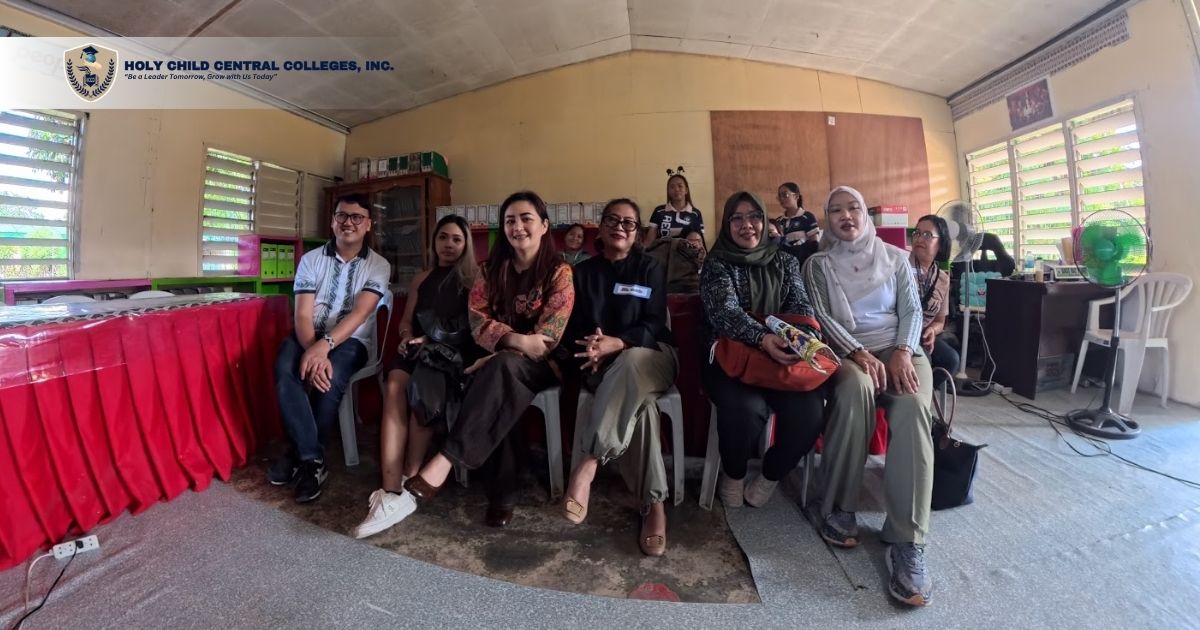
The international research delegation from Universitas IVET was composed of Dr. Maria Denok Bekti Agustiningrum, M.Pd., Lead Lecturer (Associate Professor); Lenny Kurniati, M.Pd., Lecturer (Assistant Professor); and Wahyuni Arumsari, S.K.M., M.Kes., Lecturer (Assistant Professor). Representing HCCCI were Executive Vice President Vanessa Marie L. Antiquin, MMEM; Academic Director Dr. Erwin M. Faller; College of Teacher Education Program Head Feby Abanil, MAEd; and Community Extension Services Coordinator Grasya M. Lumba. Their participation reflected the collaborative involvement of institutional leadership, academic personnel, and community extension representatives in connecting international research with local educational settings.
The school-based activities provided opportunities for the researchers to gather information from both teachers and young learners. Teacher interviews offered perspectives from educators who work directly with children, while learner interactions provided opportunities to observe engagement with the proposed AR materials. These inputs are important considerations in developing educational resources intended for early childhood settings, where age-appropriateness, accessibility, and the learning environment are essential to the design and use of instructional materials.
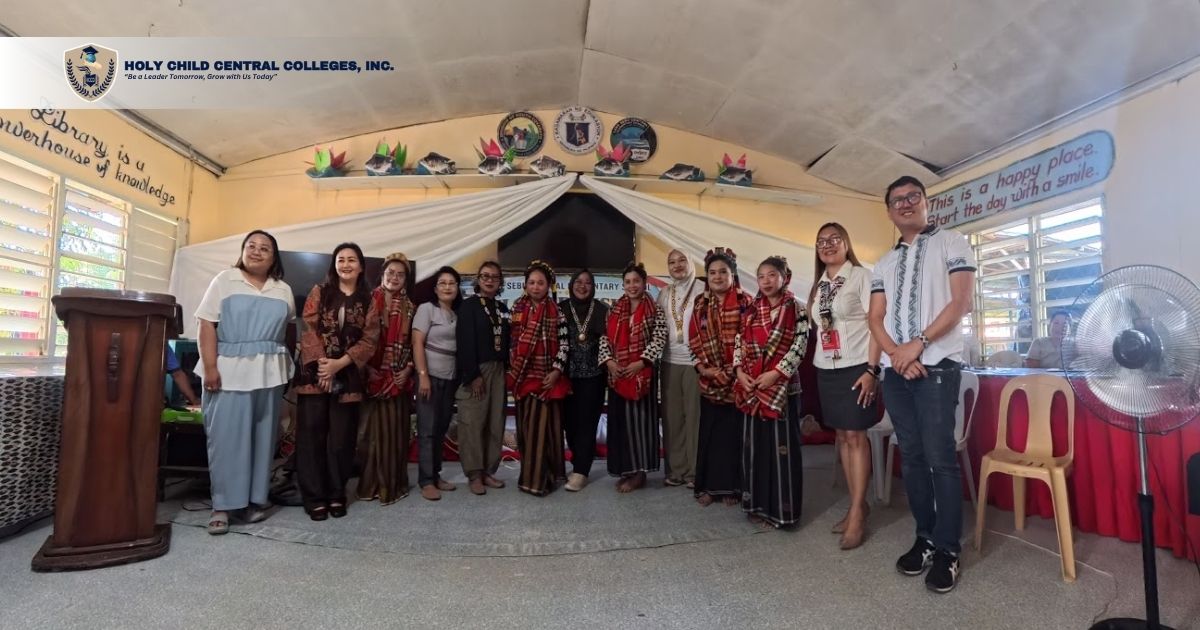
Following the morning activities, the delegation proceeded to Lake Sebu Central Elementary School, where the school community welcomed the visitors through a short reception program. A notable part of the welcome was the presentation of Madal Tahu, a traditional Tboli dance that introduced the Indonesian researchers to an expression of the cultural heritage of the community. The presentation provided an opportunity for the visitors to appreciate local cultural traditions as part of their engagement with the schools and communities in the area.
The cultural reception added a dimension of intercultural learning to the research visit. Beyond the academic objectives of the GENDER-AR project, the exchange allowed the visiting researchers to experience a local cultural expression and recognize the importance of understanding community contexts when conducting collaborative work. The participation of the school community also demonstrated how educational engagements can provide opportunities for cultural appreciation and interaction between local and international participants.
After the reception, the research team continued its data-gathering activities at Lake Sebu Central Elementary School. As in the morning engagement, the researchers conducted interviews with teachers and interacted with young learners through the augmented reality educational materials. These activities enabled the team to gather additional perspectives and document learner engagement in another school setting, contributing further information to the ongoing research process.
Alongside the research activities, HCCCI's College of Teacher Education conducted community outreach initiatives at both Lugan Central Elementary School and Lake Sebu Central Elementary School. The outreach involved CTE faculty members, student officers, and focal persons from the Bachelor of Early Childhood Education (BECEd) and Bachelor of Technical-Vocational Teacher Education (BTVTEd) programs. Through their participation, the College extended its engagement beyond the campus and brought its academic community into direct interaction with local elementary schools.
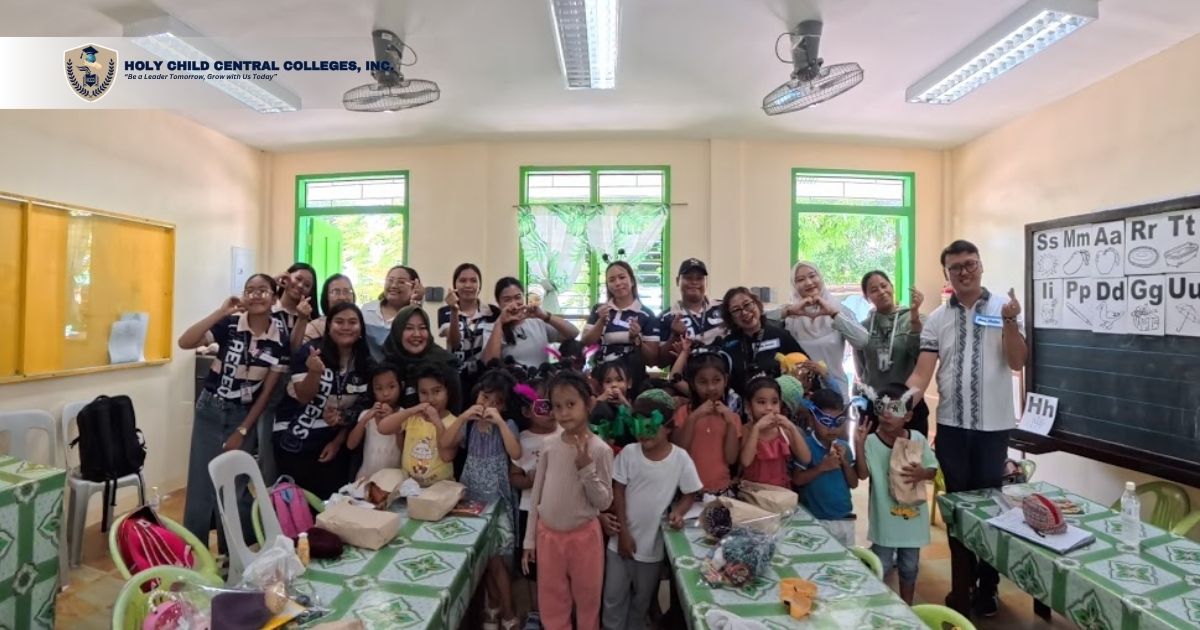
As part of the outreach, educational materials and other useful items were distributed to children and teachers in both schools. The activity provided support to the participating school communities while creating an opportunity for HCCCI faculty members and students to take part in community-oriented educational service. It also complemented the research engagement by allowing the visiting delegation and HCCCI representatives to interact with the schools not only as research partners but also as members of academic institutions committed to community involvement.
The participation of CTE faculty and students was particularly significant in connecting teacher education with actual school and community settings. For future educators, involvement in outreach activities offers opportunities to observe the needs and experiences of learners and teachers beyond the university environment. It also reinforces the role of teacher education in preparing graduates who understand that educational practice involves not only classroom instruction but also responsiveness to the communities and learners they serve.
The integration of international research and community outreach further demonstrated the value of linking academic inquiry with practical educational engagement. While the GENDER-AR project focuses on developing an innovative learning resource for early childhood gender literacy, the accompanying school activities provided opportunities to gather perspectives from educators and learners. Meanwhile, the outreach component enabled HCCCI's academic community to contribute educational materials and other useful items to the participating schools. Together, these activities connected research, teaching, and community service within one collaborative engagement.
The initiative contributes to Sustainable Development Goal 4: Quality Education, particularly UN SDG Target 4.2, which emphasizes access to quality early childhood development, care, and pre-primary education, and UN SDG Target 4.7, which promotes education that advances gender equality, appreciation of cultural diversity, and global citizenship. The GENDER-AR project addresses early childhood gender literacy through the development of an educational resource, while the school-based engagements provide opportunities to gather insights from teachers and young learners. The outreach activities further extend HCCCI's educational engagement to elementary school communities.
The project also advances the objectives of Sustainable Development Goal 5: Gender Equality, particularly UN SDG Target 5.1, which calls for ending discrimination against women and girls, and UN SDG Target 5.5, which promotes women's full and effective participation and equal opportunities for leadership. Through its focus on early childhood gender literacy, the GENDER-AR project seeks to contribute to learning experiences that encourage awareness of gender equality and inclusivity from an early age. Its educational value will depend on the continued development, validation, and appropriate implementation of the learning resource.
The outreach activities are also thematically connected to Sustainable Development Goal 10: Reduced Inequalities, particularly UN SDG Target 10.2, which promotes the social, economic, and political inclusion of all people. By extending educational materials and community engagement to schools in Tboli and Lake Sebu, HCCCI brought its academic and extension activities into local school communities. These efforts reflect the importance of making educational engagement more inclusive and responsive to the circumstances of different communities.
Furthermore, the collaboration supports Sustainable Development Goal 17: Partnerships for the Goals, particularly UN SDG Target 17.16, which promotes multi-stakeholder partnerships that mobilize and share knowledge and expertise. The continuing collaboration between HCCCI and Universitas IVET demonstrates how international academic cooperation can connect researchers, educators, and local school communities in pursuing shared educational objectives. The participation of the two elementary schools also highlights the importance of engaging local institutions in research activities that are intended to respond to educational contexts and learner needs.
Through the continued GENDER-AR activities in Tboli and Lake Sebu, HCCCI and Universitas IVET strengthened their collaborative engagement in early childhood education while extending research and outreach activities to local school communities. By bringing together international researchers, HCCCI academic personnel, teachers, learners, and community partners, the initiative reflects the value of academic collaboration that connects research, cultural understanding, and educational service. It also reinforces HCCCI's commitment to advancing inclusive education and building partnerships that bring meaningful academic engagement beyond the institution.