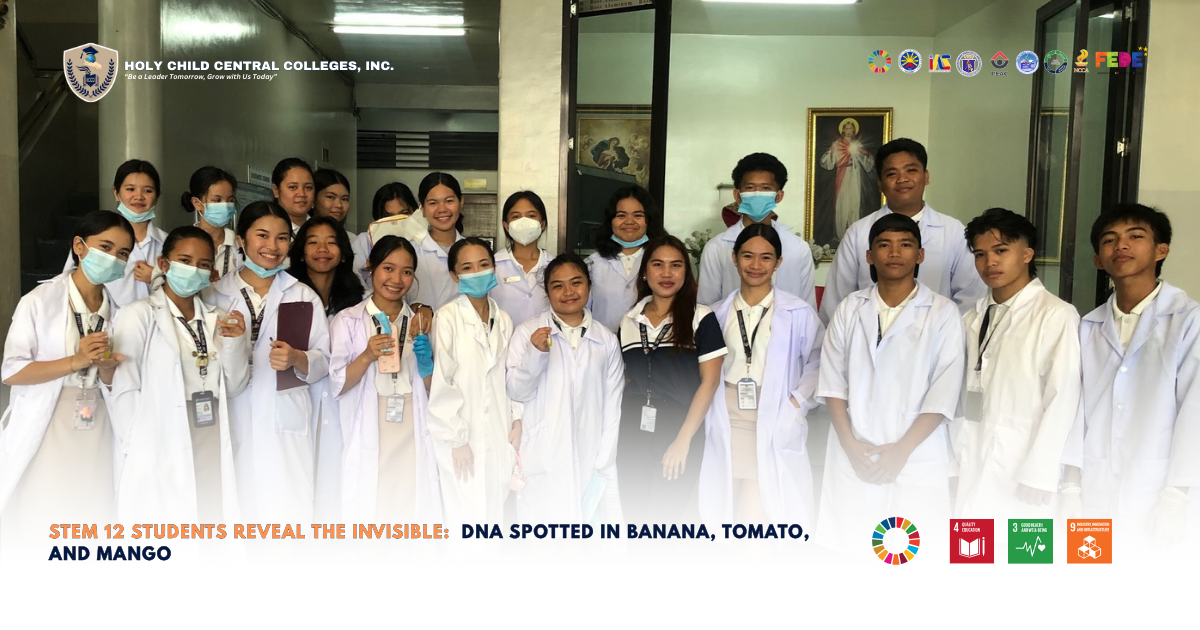
𝐒𝐓𝐄𝐌 𝟏𝟐 𝐒𝐭𝐮𝐝𝐞𝐧𝐭𝐬 𝐑𝐞𝐯𝐞𝐚𝐥 𝐭𝐡𝐞 𝐈𝐧𝐯𝐢𝐬𝐢𝐛𝐥𝐞: 𝐃𝐍𝐀 𝐒𝐩𝐨𝐭𝐭𝐞𝐝 𝐢𝐧 𝐁𝐚𝐧𝐚𝐧𝐚, 𝐓𝐨𝐦𝐚𝐭𝐨, 𝐚𝐧𝐝 𝐌𝐚𝐧𝐠𝐨
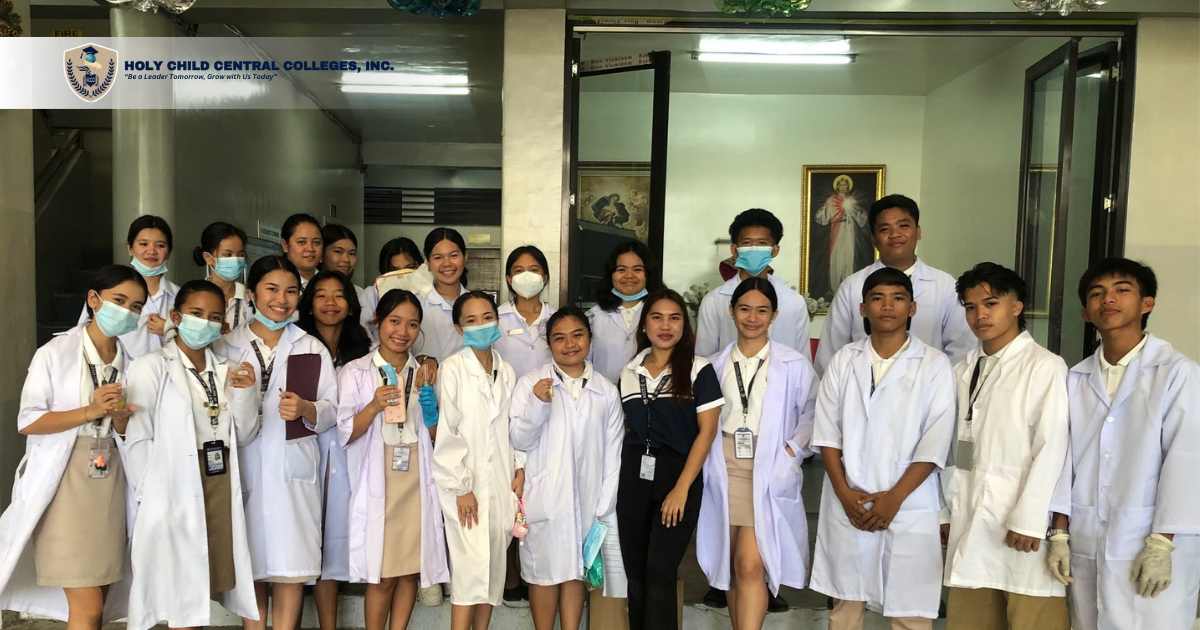
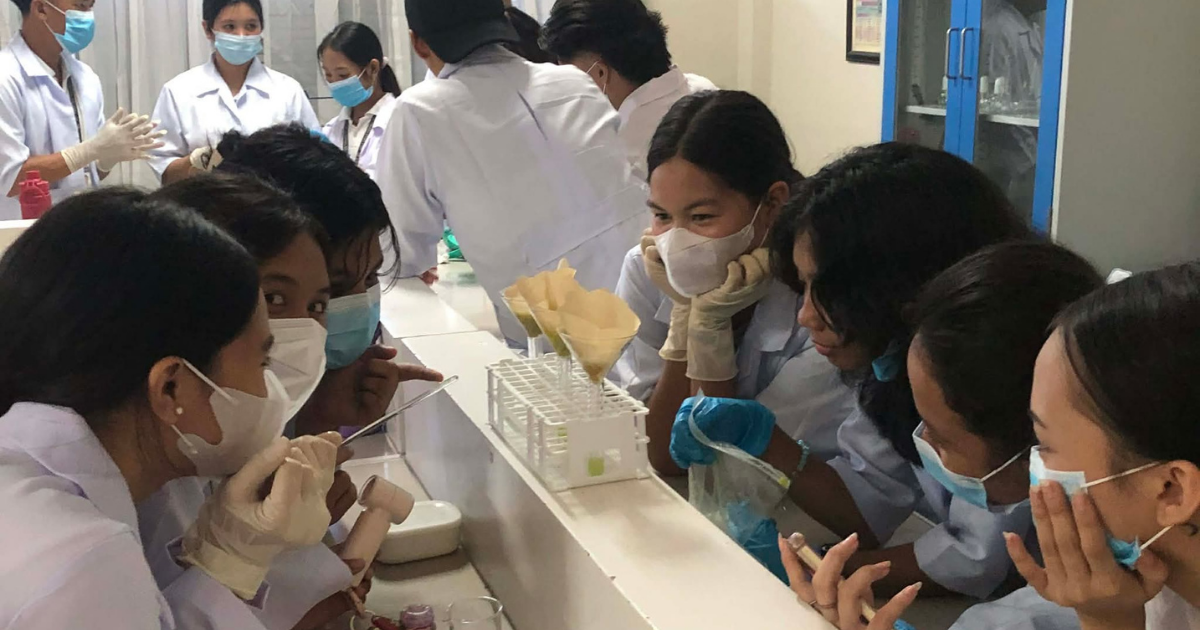
STEM 12 – Biology 2 students of the Basic Education Department of Holy Child Central Colleges, Inc. (HCCCI), under the guidance of their subject teacher, Ms. Angel Lee D. Dedal, conducted a hands-on laboratory experiment on December 16, 2025, successfully extracting DNA from three common fruits: banana (Musa acuminata), tomato (Solanum lycopersicum), and mango (Mangifera indica). The activity forms part of the school’s commitment to delivering inclusive, relevant, and quality education in line with Sustainable Development Goal (SDG) 4: Quality Education.
The activity enabled students to observe DNA—the genetic material found in all living organisms—as a visible white, stringy substance, making an abstract scientific concept tangible and understandable. By turning theory into practice, the experiment promoted scientific literacy, critical thinking, and hands-on learning, which are key targets under SDG 4.
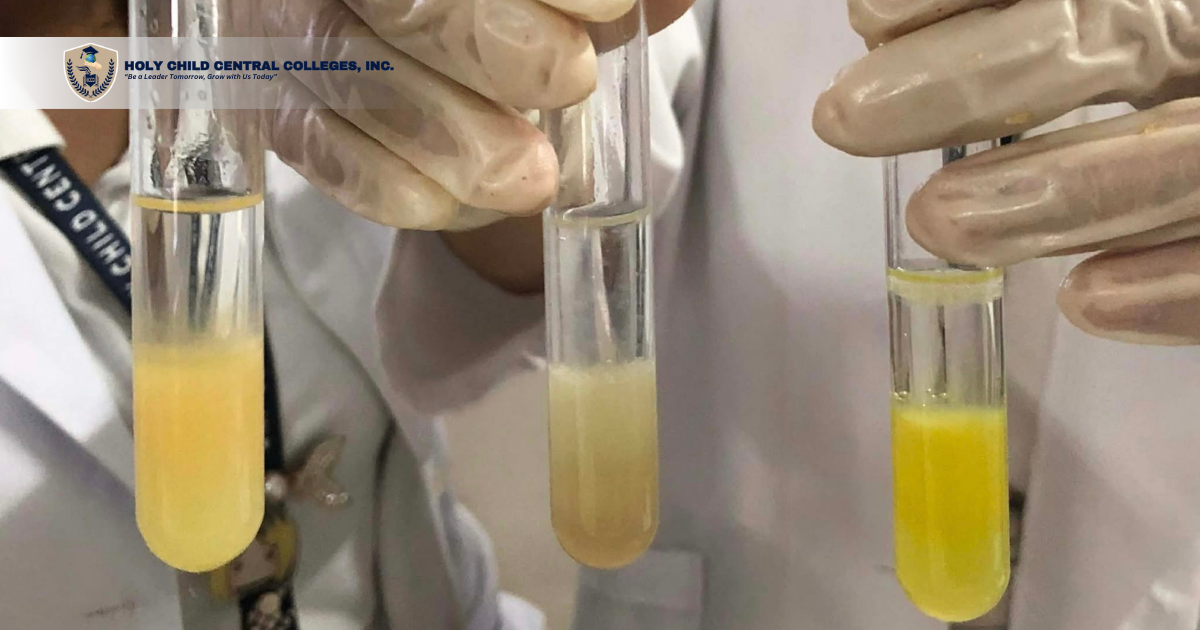
The experiment aimed to deepen students’ understanding of molecular biology and the DNA extraction process while fostering innovation and scientific inquiry, supporting SDG 9: Industry, Innovation, and Infrastructure. Using simple household materials such as dishwashing liquid, salt, warm water, and chilled alcohol, students broke open fruit cells, separated DNA from other cellular components, and isolated it for observation. Banana yielded the most visible DNA, followed by mango and tomato, demonstrating how biological differences affect experimental outcomes.
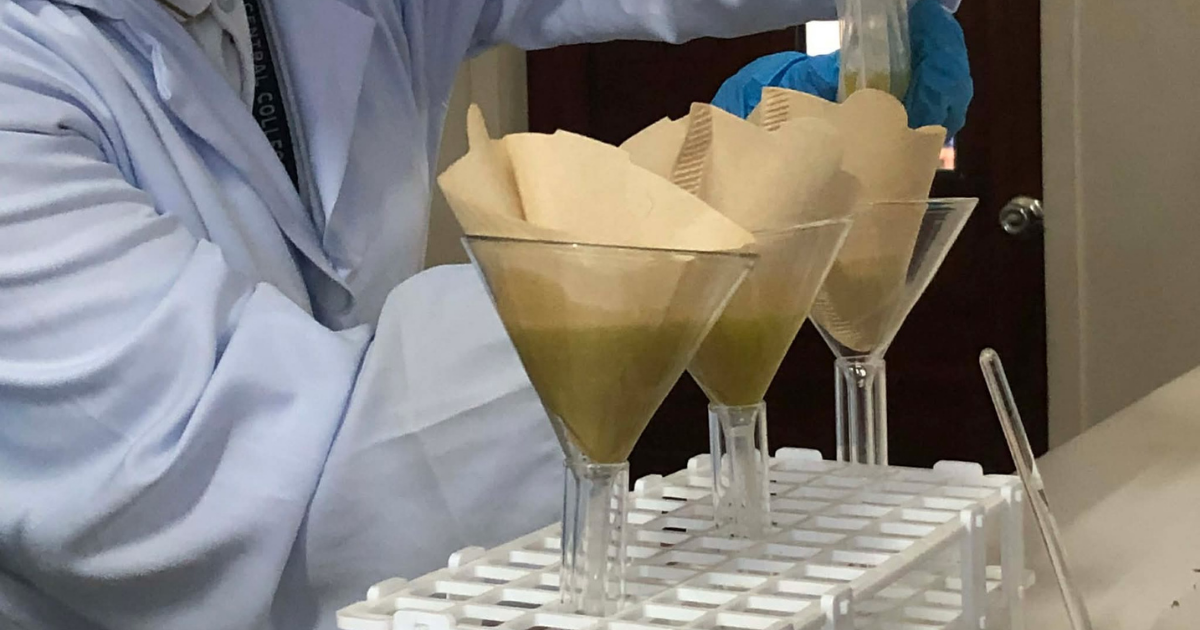
During the activity, students learned the role of each reagent used: detergent dissolved cell membranes, salt facilitated the release of DNA from proteins, and alcohol caused the DNA to precipitate. Emphasis on proper laboratory procedures, safety, and responsible handling of materials also contributed to building awareness relevant to SDG 3: Good Health and Well-Being, particularly in the context of science education and future health-related fields.
By extracting DNA from everyday fruits, students were able to connect molecular biology concepts to real-life applications, strengthening their appreciation of genetics and biotechnology. The experience reinforced the relevance of STEM education in understanding living systems and addressing real-world challenges.
This initiative reflects HCCCI’s continued commitment to fostering scientific curiosity and providing experiential learning opportunities that equip learners with essential life science skills, support innovation, and advance the school’s contribution to the United Nations Sustainable Development Goals.