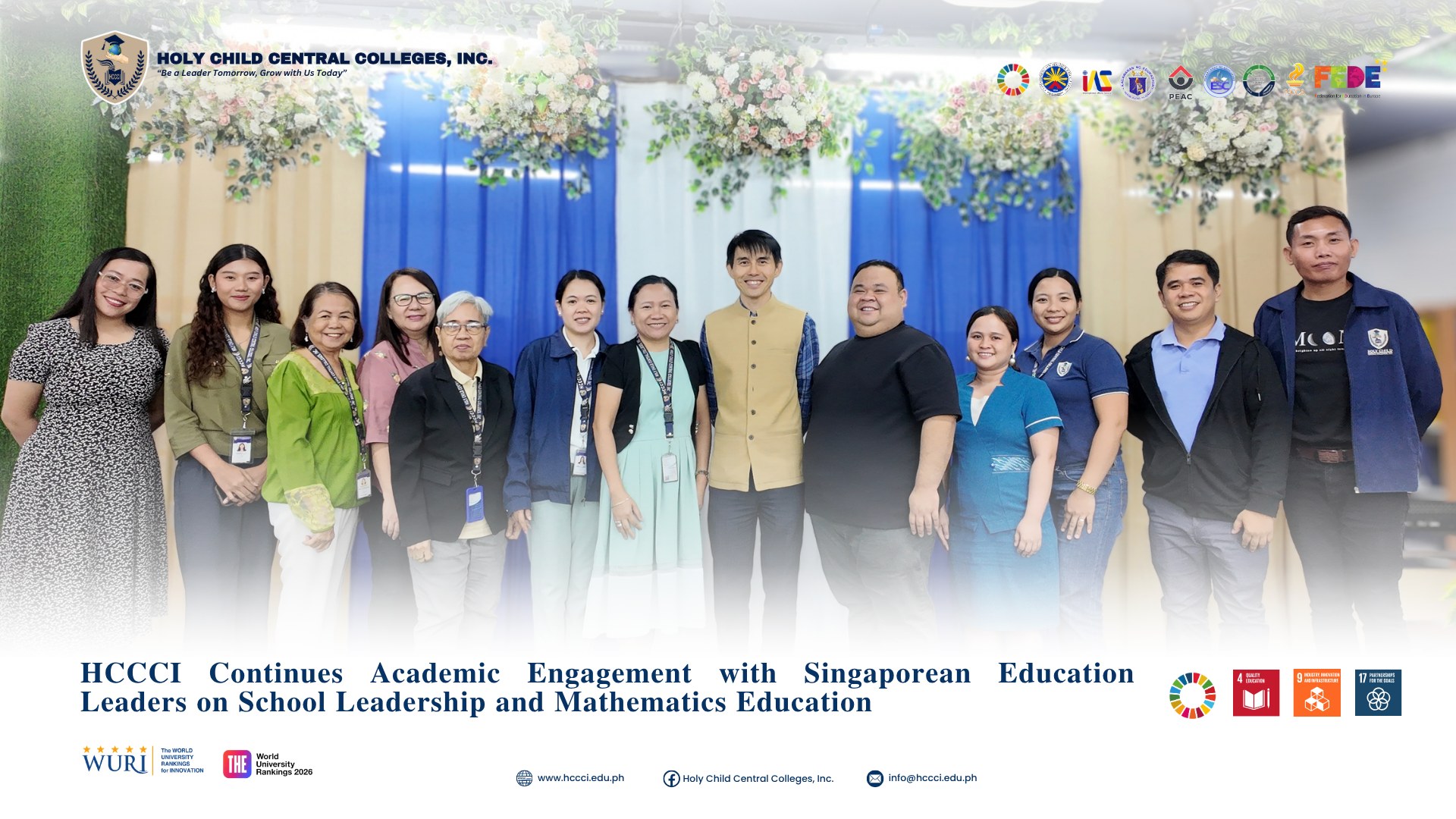
𝐇𝐂𝐂𝐂𝐈 𝐂𝐨𝐧𝐭𝐢𝐧𝐮𝐞𝐬 𝐀𝐜𝐚𝐝𝐞𝐦𝐢𝐜 𝐄𝐧𝐠𝐚𝐠𝐞𝐦𝐞𝐧𝐭 𝐰𝐢𝐭𝐡 𝐒𝐢𝐧𝐠𝐚𝐩𝐨𝐫𝐞𝐚𝐧 𝐄𝐝𝐮𝐜𝐚𝐭𝐢𝐨𝐧 𝐋𝐞𝐚𝐝𝐞𝐫𝐬 𝐨𝐧 𝐒𝐜𝐡𝐨𝐨𝐥 𝐋𝐞𝐚𝐝𝐞𝐫𝐬𝐡𝐢𝐩 𝐚𝐧𝐝 𝐌𝐚𝐭𝐡𝐞𝐦𝐚𝐭𝐢𝐜𝐬 𝐄𝐝𝐮𝐜𝐚𝐭𝐢𝐨𝐧
Continuing the series of academic engagements with the Singapore Education Consulting Group (SECG), Holy Child Central Colleges, Inc. (HCCCI) held a professional learning session featuring Mr. Edmund Lim, Principal Consultant and Partner of SECG, who delivered two presentations: “School Leadership: Experiences from Singapore” and “Singapore Mathematics Approaches: Learning Points from Singapore.” The session extended the delegation’s ongoing discussions with HCCCI on educational development, bringing international perspectives on school leadership and classroom instruction into the institution’s professional learning environment.
In his presentation on school leadership, Mr. Lim shared insights from Singaporean educational practice, focusing on how school leaders establish institutional direction, support educators, and create conditions for effective teaching and learning. The discussion emphasized that leadership extends beyond administrative responsibilities to include informed decision-making, professional development, organizational alignment, and responsiveness to changing educational needs.
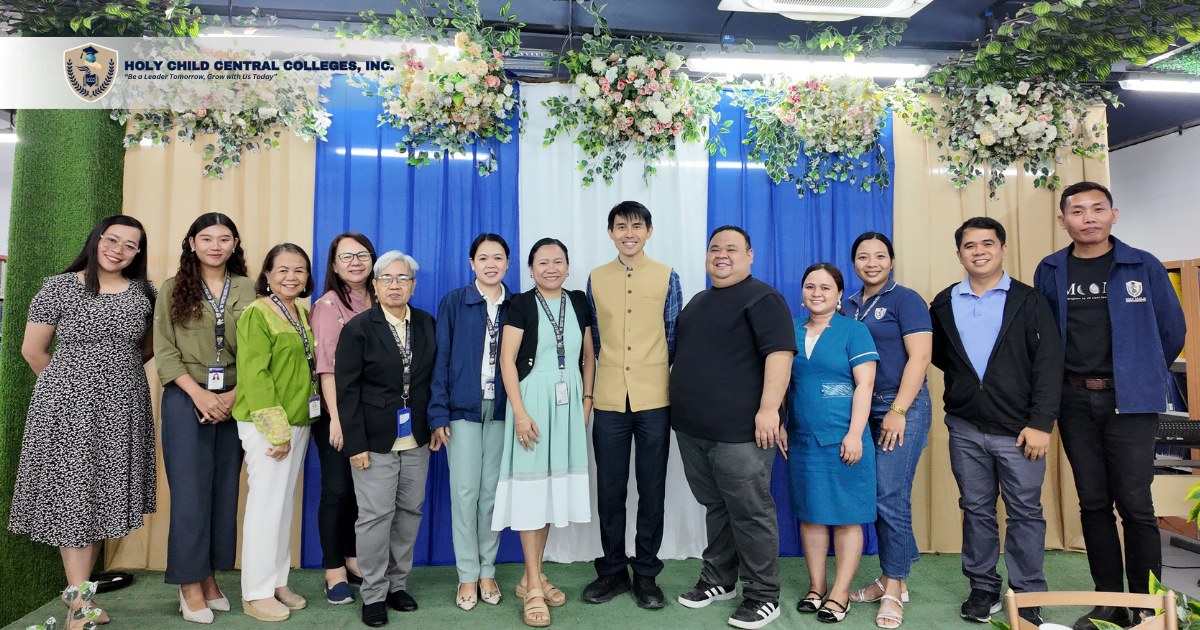
These perspectives offered HCCCI’s academic administrators and educators points for reflection on how leadership decisions shape the daily work of schools. Clear academic priorities, supportive structures for teachers, and opportunities for professional growth can help strengthen the conditions in which teaching and learning take place.
Mr. Lim’s second presentation, “Singapore Mathematics Approaches: Learning Points from Singapore,” shifted the discussion to mathematics education and classroom instruction. He introduced approaches associated with Singapore mathematics, highlighting the importance of developing conceptual understanding and mathematical reasoning rather than focusing solely on content coverage.
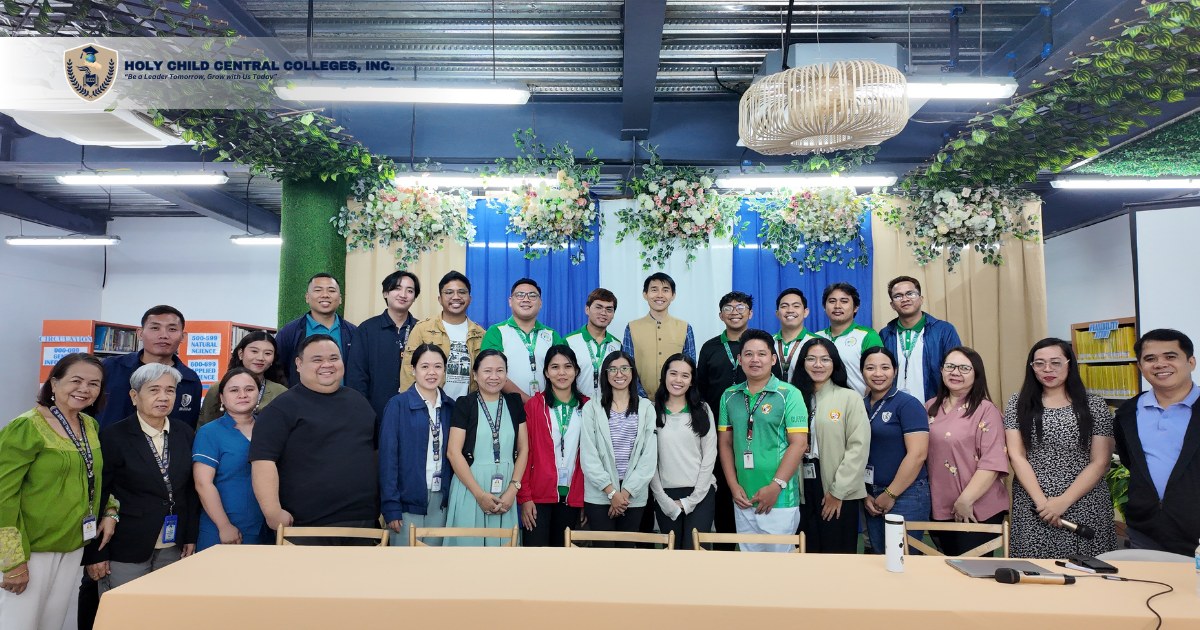
The discussion invited educators to consider how instructional strategies can help learners understand mathematical concepts, apply knowledge, and develop problem-solving skills. These perspectives may serve as useful references in examining teaching methods, curriculum delivery, and classroom practices within HCCCI’s own educational context.
Together, the presentations connected two important dimensions of educational development: the leadership structures that support schools and the instructional practices that shape students’ learning experiences. By examining both, participants had an opportunity to consider how institutional priorities can be translated into classroom practice and how leadership and teacher development can work together to support educational quality.
The session forms part of HCCCI’s broader engagement with SECG, whose visit has included institutional discussions, exposure to HCCCI’s learning facilities, and exchanges on academic development and educational practices. These continuing engagements provide opportunities for HCCCI educators and administrators to learn from international experience while reflecting on the needs and priorities of their own institution.
The initiative aligns with Sustainable Development Goal (SDG) 4: Quality Education, through professional learning and the exchange of educational practices; SDG 9: Industry, Innovation and Infrastructure, through the exploration of evolving approaches to teaching and learning; and SDG 17: Partnerships for the Goals, through continuing engagement and knowledge exchange between HCCCI and SECG.
For HCCCI, the value of the continuing visit lies in creating opportunities to examine educational practices from different contexts and consider how relevant insights may inform institutional development. Through sustained professional dialogue with international education leaders, HCCCI continues to explore approaches to academic leadership, teacher development, and classroom instruction that can be thoughtfully considered within its own educational setting.