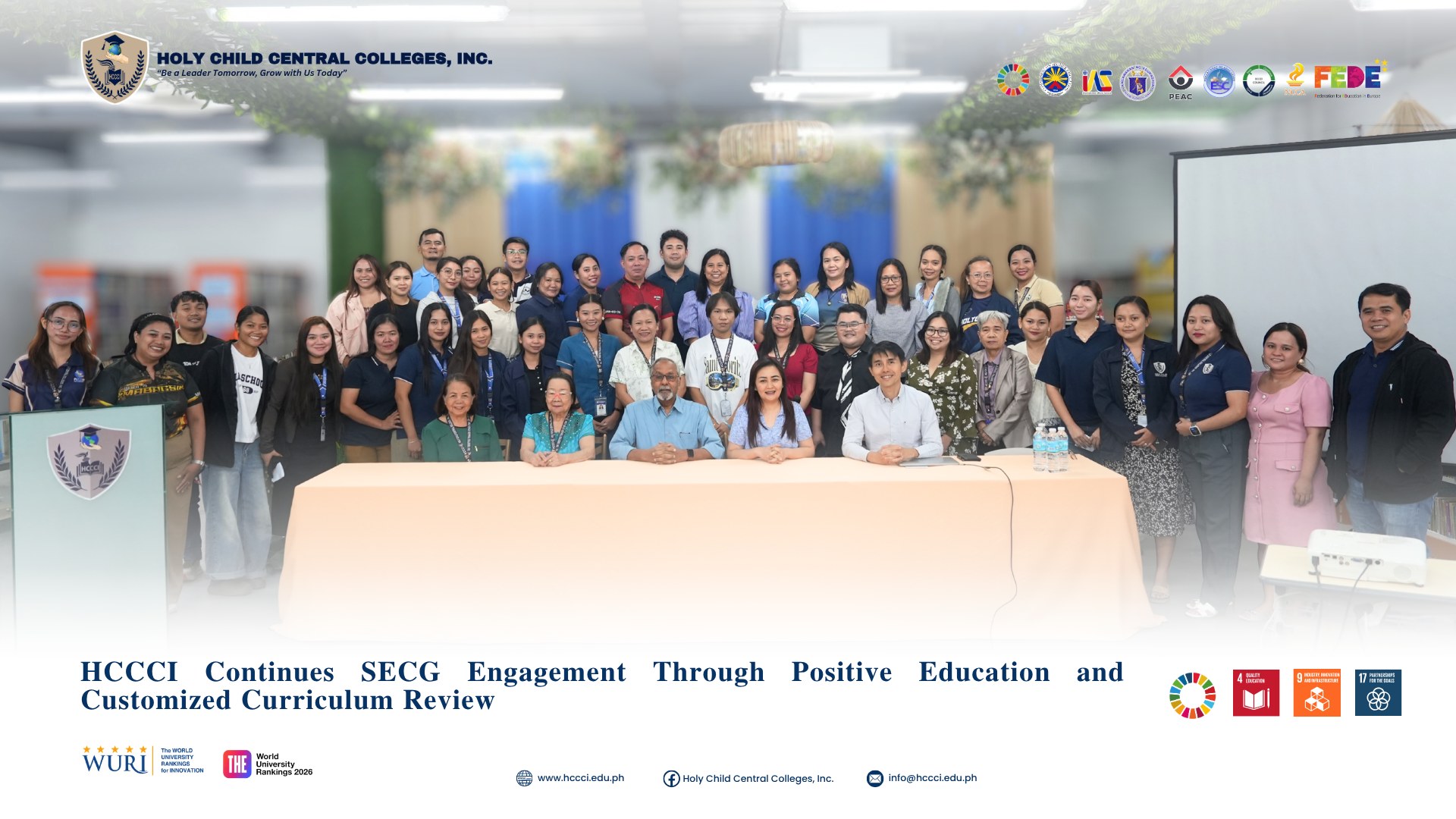
𝐇𝐂𝐂𝐂𝐈 𝐂𝐨𝐧𝐭𝐢𝐧𝐮𝐞𝐬 𝐒𝐄𝐂𝐆 𝐄𝐧𝐠𝐚𝐠𝐞𝐦𝐞𝐧𝐭 𝐓𝐡𝐫𝐨𝐮𝐠𝐡 𝐏𝐨𝐬𝐢𝐭𝐢𝐯𝐞 𝐄𝐝𝐮𝐜𝐚𝐭𝐢𝐨𝐧 𝐚𝐧𝐝 𝐂𝐮𝐬𝐭𝐨𝐦𝐢𝐳𝐞𝐝 𝐂𝐮𝐫𝐫𝐢𝐜𝐮𝐥𝐮𝐦 𝐑𝐞𝐯𝐢𝐞𝐰
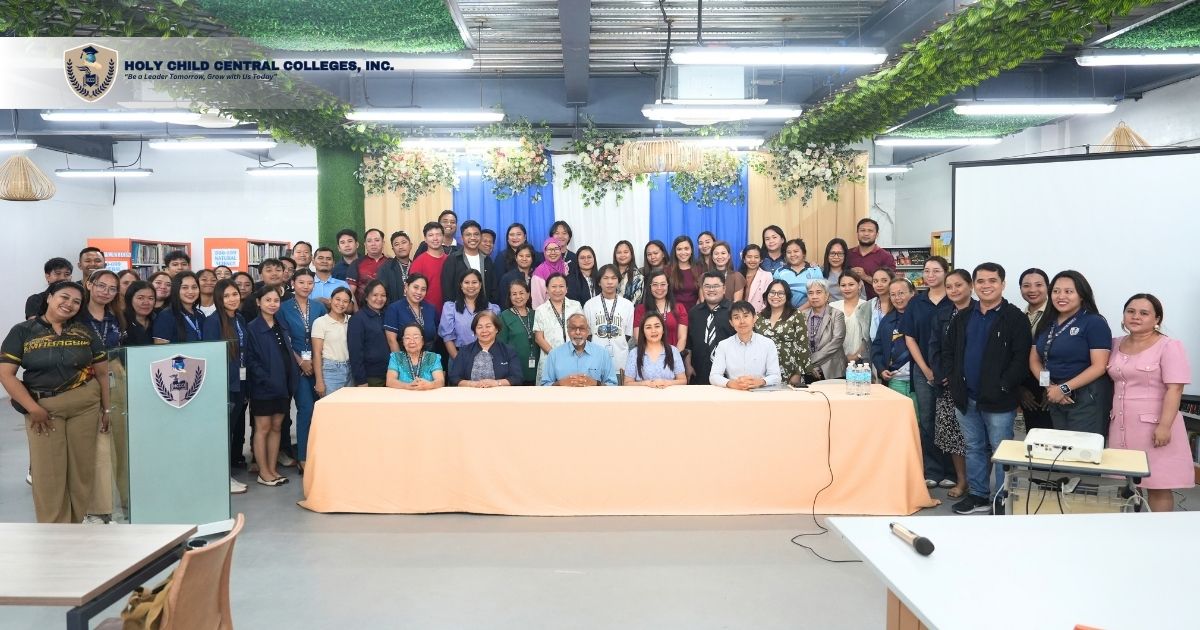
Holy Child Central Colleges, Inc. (HCCCI) continued its engagement with the Singapore Education Consulting Group (SECG) through a substantive session on Positive Education and Customized Analysis and Review of Curriculum, extending the delegation’s earlier institutional visitation and discussions into more focused conversations on learner development, educational culture, curriculum quality, and academic responsiveness held at the institution's library with approximately 50 participants last September 30, 2026.
The session was facilitated by Mr. Edmund Lim, Principal Consultant and Partner of SECG, and Dr. Natarajan Varaprasad, Founding Partner of SECG. Their discussions provided international perspectives that allowed HCCCI academic stakeholders to examine both the learner experience and the academic structures that shape teaching and learning.
The discussion on Positive Education examined educational development from a broader perspective, emphasizing that education extends beyond academic performance and that positive learning environments are shaped by the experiences, relationships, strengths, and aspirations of the people within an institution. Importantly, Positive Education was presented not simply as a student-focused approach or a set of practices for learner well-being, but as an outlook that can inform the wider culture of an educational institution. Its principles can extend across the HCCCI community—including students, teachers, academic leaders, administrators, staff, and other members of the institution—by encouraging a shared environment that values strengths, positive relationships, engagement, purpose, and personal and professional growth.
From this perspective, creating a positive educational environment is not the sole responsibility of the classroom teacher or guidance personnel. It involves the way people across the institution interact, lead, teach, support one another, communicate, and contribute to the overall educational experience. Positive Education can therefore become part of the broader institutional culture and outlook of HCCCI, influencing not only how students learn, but also how members of the community work, collaborate, develop, and experience their roles within the institution.
Particular attention was given to the relationship between student experience and institutional culture. The learning environment is shaped not only by classroom instruction, but also by leadership, educators, peers, support personnel, administrative practices, relationships, and the opportunities provided to members of the community. These elements collectively influence how people participate, respond to challenges, develop confidence, recognize their strengths, and pursue their respective goals.
The discussion also considered the role of educators and academic leaders in creating conditions that support meaningful learning and positive institutional experiences. Supporting learner development therefore involves more than individual classroom practices; it also requires an institutional environment where students can thrive, educators can grow, staff members can contribute meaningfully, and leaders can foster a culture of trust, engagement, purpose, and continuous development. The engagement then moved to the Customized Analysis and Review of Curriculum, providing a focused examination of HCCCI’s academic programs. The review considered curriculum as an interconnected structure involving learning outcomes, content, competencies, instructional approaches, and the changing requirements of contemporary education.
The customized nature of the review allowed HCCCI academic stakeholders to consider curricular directions through an external perspective while taking into account the institution’s existing programs, academic priorities, learner needs, and areas where further refinement may be appropriate.
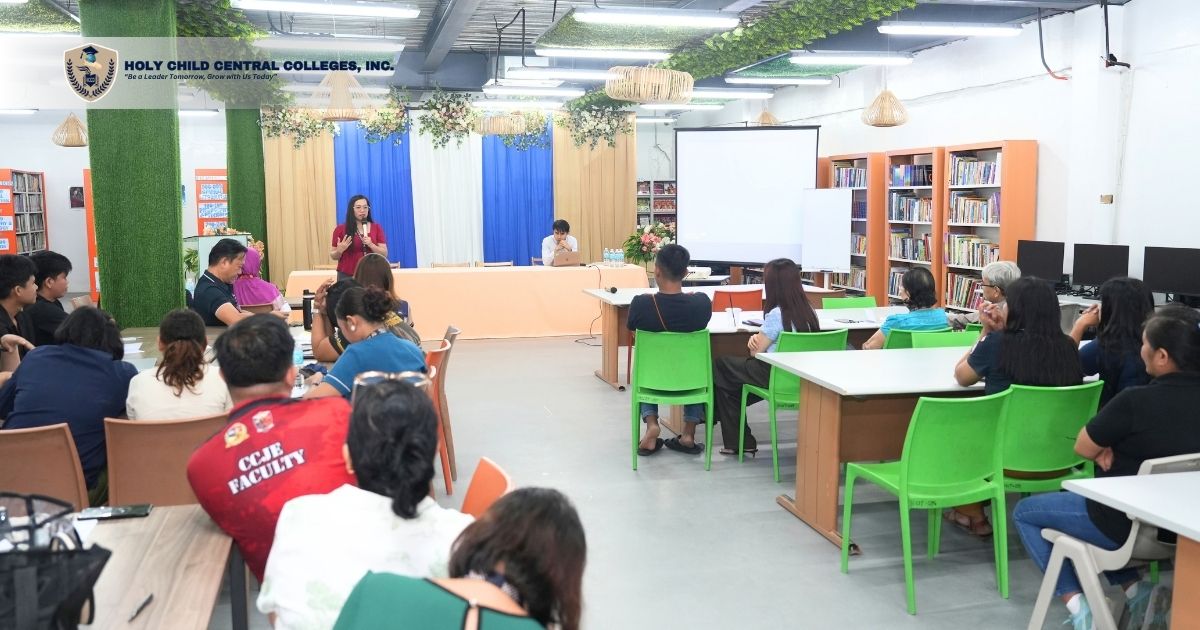
The curriculum discussion emphasized the importance of alignment and coherence among learning outcomes, subject content, teaching approaches, and assessment. Rather than functioning as separate components, these elements should work together toward clearly defined competencies that prepare students not only to meet academic requirements but also to apply knowledge, pursue further learning, and respond to professional and societal needs.
The review also highlighted the continuing importance of curriculum relevance and responsiveness. As disciplines, technologies, workplaces, and learner expectations evolve, curriculum review provides institutions with an opportunity to examine existing programs, identify emerging requirements, and determine areas for further academic development.
The connection between Positive Education and curriculum review provided an important dimension to the engagement. Positive Education considers the broader culture and outlook through which people experience education, while curriculum review examines the academic structures through which learning and development take place. Considering both dimensions allows educational quality to be viewed not only through what students are expected to learn, but also through the institutional environment in which students, educators, and other members of the HCCCI community learn, work, and grow.
For HCCCI, the customized curriculum review provides an additional external perspective for continuing discussions on program relevance, learning outcomes, competency development, instructional coherence, and curriculum responsiveness. The engagement with SECG allows international experiences and perspectives to be considered alongside HCCCI’s own institutional context and academic priorities. The session also complements the earlier activities of the SECG delegation, which included the visitation of HCCCI’s Smart Classroom, iLab, Computer Laboratory, Robotics Laboratory, Nursing Complex, Biology Laboratories, and Chemistry Laboratories, as well as discussions on professional development, educational technology, academic resources, and digital learning. The succeeding academic session allowed these broader institutional conversations to move further into learner development, institutional culture, and curriculum quality.
The engagement aligns with Sustainable Development Goal 4 (Quality Education) through its focus on learner development, educational quality, curriculum enhancement, and the creation of supportive learning environments. It also contributes to SDG 9 (Industry, Innovation and Infrastructure) through discussions on responsive educational systems and contemporary learning environments, and SDG 17 (Partnerships for the Goals) through the continuing exchange of expertise between HCCCI and SECG.
For HCCCI, the engagement demonstrates the value of international partnerships as spaces for comparison, reflection, and contextual institutional development. Rather than simply adopting external models, the dialogue provides an opportunity to examine international perspectives alongside HCCCI’s own educational environment and consider how relevant insights may contribute to the institution’s academic programs, workplace culture, learner experience, and broader community development.
The continuing engagement with SECG therefore brings together two complementary dimensions of educational development: cultivating a positive institutional outlook that supports the development of the whole HCCCI community, and ensuring that the curriculum guiding academic development remains coherent, relevant, and responsive.
Through this exchange, Positive Education is considered not simply as an approach to supporting students, but as a perspective that can contribute to the way HCCCI as a whole teaches, leads, works, collaborates, and grows. At the same time, the customized curriculum review provides an opportunity to examine whether the academic structures supporting that community remain responsive to changing educational needs.
The continuing dialogue with SECG thus contributes to HCCCI’s broader efforts to strengthen educational quality from both the human and academic dimensions of institutional development—fostering a positive environment for its people while continuously examining the curricula, practices, and structures that shape learning.