
𝐇𝐂𝐂𝐂𝐈 𝐏𝐫𝐞𝐬𝐢𝐝𝐞𝐧𝐭 𝐌𝐚𝐫𝐢𝐯𝐞𝐭 𝐂𝐚𝐛𝐚𝐥𝐥𝐞𝐫𝐨 𝐒𝐡𝐚𝐫𝐞𝐬 𝐇𝐂𝐂𝐂𝐈’𝐬 𝐀𝐩𝐩𝐫𝐨𝐚𝐜𝐡 𝐭𝐨 𝐌𝐞𝐚𝐧𝐢𝐧𝐠𝐟𝐮𝐥 𝐈𝐧𝐭𝐞𝐫𝐧𝐚𝐭𝐢𝐨𝐧𝐚𝐥 𝐏𝐚𝐫𝐭𝐧𝐞𝐫𝐬𝐡𝐢𝐩𝐬 𝐚𝐭 𝐇𝐄𝐏𝐂𝐎𝐍 𝟐𝟎𝟐𝟔
Holy Child Central Colleges, Inc. (HCCCI) School President Marivet S. Caballero shared the institution’s approach to turning international agreements into active, purposeful collaborations during the Higher Education Partnership Conference (HEPCON) 2026 in Cebu City, joining higher education leaders in a panel discussion on translating institutional partnerships into concrete programs and outcomes.
President Caballero participated in “Beyond the MOU: Turning International Partnerships into Meaningful Action,” held in Breakout Room A at the Radisson Blu Hotel Cebu. The panel featured Dr. Laurence L. Garcia, President of Cebu Normal University, alongside President Caballero, with Dr. Janet A. Mananay, Vice President for Special Needs, Early Childhood, Internationalization, and Lifelong Learning (SNECEILL) at Cebu Normal University, serving as moderator. The discussion explored how higher education institutions can move beyond formal agreements and translate partnerships into concrete programs, collaborative initiatives, and outcomes that benefit students, faculty, partner institutions, and communities.
For President Caballero, meaningful partnerships begin even before a memorandum of understanding (MOU) is signed. She emphasized the importance of preparing the institutional team, communicating the partnership’s purpose, and establishing a clear strategic direction. At HCCCI, teams are given a 90-day period to develop the strategic direction of a prospective partnership, helping clarify its objectives and prepare the institution for implementation.
This preparation reflects HCCCI’s approach to identifying partnerships based on shared value, complementary strengths, and common goals. President Caballero emphasized that institutional size should not be a barrier to international engagement. As a private higher education institution, HCCCI seeks relationships in which partners recognize what each institution can contribute and identify opportunities to learn and develop together.
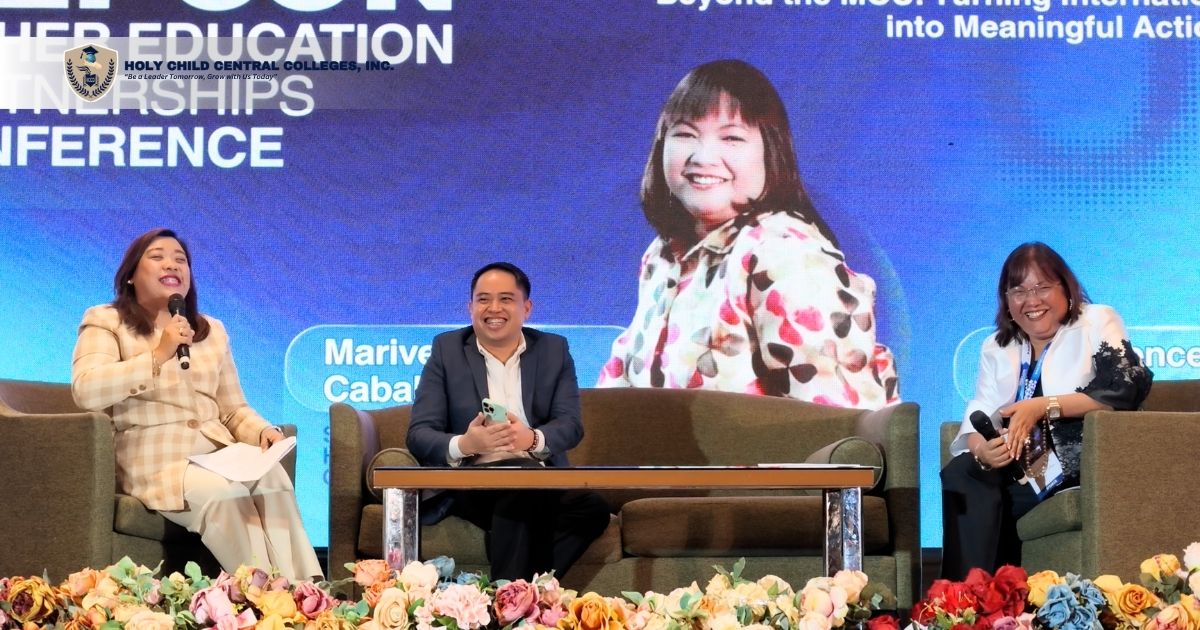
The results of this approach are reflected in HCCCI’s reported 47 institutional partnerships, more than 100 global initiatives, and over 3,000 student engagements in internationalization. These figures illustrate how institutional relationships can extend beyond formal agreements when translated into academic activities, professional development, research and knowledge exchange, cultural learning, community engagement, and other internationalization initiatives.
President Caballero also highlighted strategic resource management as an important consideration in sustaining partnerships. Recognizing that educational institutions operate with different levels of resources and capacity, she underscored the need to maximize available resources, strengthen internal systems, and identify feasible activities that align with institutional priorities. For HCCCI, effective internationalization involves not only establishing external connections but also ensuring that the institution can support and implement the opportunities those connections create.
She further emphasized that international partnerships can contribute to an institution’s broader mission when they are integrated into academic programs, research, and community engagement. HCCCI’s community extension activities, including initiatives connected with Lions Club Singapore Paterson, illustrate how external relationships can extend beyond academic exchange and support community-oriented efforts.
A central message of President Caballero’s panel contribution was the importance of taking action after an agreement is signed. Partnerships require consistent communication, clear responsibilities, agreed activities, and opportunities for students and faculty to participate. Rather than allowing MOUs to remain inactive, institutions should identify practical starting points, implement feasible initiatives, learn from the experience, and build on initial results.
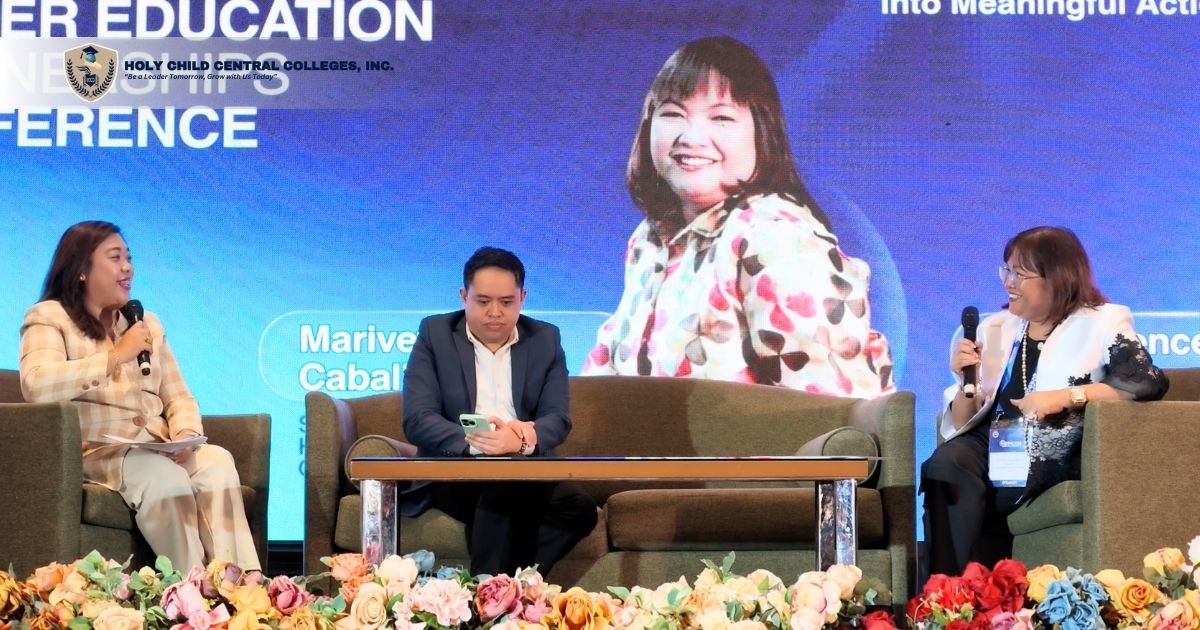
This principle is reflected in HCCCI’s participation in Collaborative Online International Learning (COIL), which brings international collaboration directly into the learning environment. Through COIL, students and faculty can work with counterparts from partner institutions across borders, making international engagement part of teaching and learning rather than an opportunity limited to physical travel. HCCCI’s reported student engagement in internationalization demonstrates the potential of activating partnerships through accessible, structured learning experiences.
For institutions with multiple signed agreements but limited implementation, President Caballero’s message was practical: start small and start moving. Institutions do not need to activate every partnership at once or wait for ideal conditions. They can begin with one achievable activity, establish working relationships, assess the results, and gradually expand collaboration as capacity and shared interests develop.
HCCCI’s approach also aligns with Sustainable Development Goal 4 (Quality Education), SDG 10 (Reduced Inequalities), SDG 16 (Peace, Justice and Strong Institutions), and SDG 17 (Partnerships for the Goals). Through international academic collaboration, COIL, mobility, research and knowledge exchange, and community engagement, institutional partnerships can broaden learning opportunities, support more inclusive access to international experiences, encourage accountable institutional relationships, and build networks for shared development.
President Caballero’s participation at HEPCON 2026 offered a practical perspective on the processes behind active partnerships: prepare before signing, establish a clear direction, identify complementary strengths, manage resources strategically, maintain communication, and move promptly toward implementation. Her contribution placed the emphasis not simply on the number of agreements an institution holds, but on the opportunities and activities those relationships make possible.
For HCCCI, internationalization is measured not only through institutional linkages, but also through the learning, collaboration, research, mobility, community engagement, and professional development that emerge from them. The institution’s reported 47 partnerships, 100-plus global initiatives, and 3,000-plus student engagements reflect its continuing effort to connect institutional relationships with practical opportunities for its academic community.
Through President Caballero’s participation, HCCCI contributed to the broader HEPCON 2026 conversation on making internationalization more active and purposeful. Her message was clear: an MOU should not be the end result of a partnership, but the starting point for putting shared commitments into action. With strategic preparation, shared responsibility, and consistent implementation, institutional agreements can develop into sustained collaborations that benefit the institutions and communities they serve.