𝐒𝐃𝐆 𝟐: 𝐙𝐞𝐫𝐨 𝐇𝐮𝐧𝐠𝐞𝐫

Food waste has become a pressing global concern, contributing not only to hunger but also to environmental degradation and resource inefficiency. In line with the United Nations Sustainable Development Goal 2: Zero Hunger, the institution recognizes the importance of addressing this issue within its own campus.
The institution emphasizes the need to address food waste as part of its broader sustainability efforts. By promoting responsible dining habits and efficient food management, it seeks to encourage mindfulness in daily consumption and reduce unnecessary waste. These actions reflect a shared responsibility among students and employees to conserve resources and create a culture that values every meal as a step toward ending hunger.
Ultimately, this commitment demonstrates how local actions can contribute to global goals. By transforming awareness into practice, the institution not only minimizes waste but also strengthens its role in supporting a hunger-free and sustainable future for all.
𝐍𝐨𝐮𝐫𝐢𝐬𝐡𝐢𝐧𝐠 𝐭𝐨 𝐅𝐥𝐨𝐮𝐫𝐢𝐬𝐡𝐢𝐧𝐠: 𝐒𝐭𝐫𝐢𝐯𝐢𝐧𝐠 𝐭𝐨𝐰𝐚𝐫𝐝𝐬 𝐚 𝐖𝐨𝐫𝐥𝐝 𝐖𝐢𝐭𝐡𝐨𝐮𝐭 𝐇𝐮𝐧𝐠𝐞𝐫
As a proactive effort to promote responsible consumption and strengthen environmental sustainability, Holy Child Central Colleges, Inc. (HCCCI) measures the amount of food waste generated from food served within the school community through its Campus Food Waste Monitoring Initiative, implemented under the Integrated Sustainable and Inclusive Food Choices Policy. This comprehensive framework unifies institutional efforts on food security, sustainability, and inclusivity, reflecting HCCCI’s commitment to addressing food waste while aligning with the United Nations Sustainable Development Goal 2: Zero Hunger.
Recognizing that hunger, malnutrition, and food waste directly affect the well-being, productivity, and health of the academic community, HCCCI takes decisive action by measuring and documenting the amount of food waste generated in dining areas. This process allows the identification of excess and inefficiencies, paving the way for more sustainable food management practices and ethical use of resources.
In line with the policy’s guiding principles of sustainability, accountability, and education, food waste tracking is not merely a compliance activity but a learning process for the entire community. By analyzing data, the institution develops targeted interventions such as improved menu planning, portion control, and awareness campaigns that encourage mindfulness and responsible dining habits among students and staff.
Moreover, this initiative strengthens collaboration among offices, including the Human Resource and Management Office, Office of the Student Affairs, Community Extension Office, Safety Office, and School Canteen Committee, to promote resource efficiency, proper waste segregation, and data-driven action planning. These coordinated efforts embody the spirit of shared responsibility and environmental stewardship, ensuring that measuring the amount of food waste generated from food served within the university becomes a core part of HCCCI’s sustainability and community education efforts.
𝐂𝐚𝐦𝐩𝐮𝐬 𝐅𝐨𝐨𝐝 𝐖𝐚𝐬𝐭𝐞 𝐌𝐨𝐧𝐢𝐭𝐨𝐫𝐢𝐧𝐠: 𝐀 𝐒𝐭𝐞𝐩 𝐓𝐨𝐰𝐚𝐫𝐝 𝐚 𝐒𝐮𝐬𝐭𝐚𝐢𝐧𝐚𝐛𝐥𝐞 𝐚𝐧𝐝 𝐇𝐮𝐧𝐠𝐞𝐫-𝐅𝐫𝐞𝐞 𝐂𝐚𝐦𝐩𝐮𝐬
The Campus Food Waste Monitoring Initiative exemplifies Holy Child Central Colleges, Inc. 's (HCCCI) steadfast commitment to fostering compassion, inclusivity, and ecological responsibility across the campus population. By systematically tracking total food waste, the initiative not only minimizes environmental impact but also reinforces the institution’s dedication to sustainable food systems and ethical consumption practices.
Through this program, HCCCI encourages students, faculty, and staff to transform everyday decisions, such as meal planning, portioning, and consumption into meaningful contributions toward a hunger-free and environmentally conscious future. The initiative also serves as a platform for continuous awareness, education, and collaboration, highlighting the interconnection between total food waste, food security, sustainability, and social responsibility.
By promoting a culture of accountability and mindful consumption, HCCCI empowers its campus population to actively participate in creating long-term solutions that address both food sustainability and environmental preservation. In doing so, the institution not only reduces its ecological footprint but also cultivates a generation of socially responsible individuals who understand the impact of their choices on the broader world.
𝐄𝐧𝐬𝐮𝐫𝐢𝐧𝐠 𝐅𝐨𝐨𝐝 𝐀𝐜𝐜𝐞𝐬𝐬 𝐈𝐧𝐢𝐭𝐢𝐚𝐭𝐢𝐯𝐞𝐬 𝐭𝐨 𝐂𝐨𝐦𝐛𝐚𝐭 𝐒𝐭𝐮𝐝𝐞𝐧𝐭 𝐇𝐮𝐧𝐠𝐞𝐫
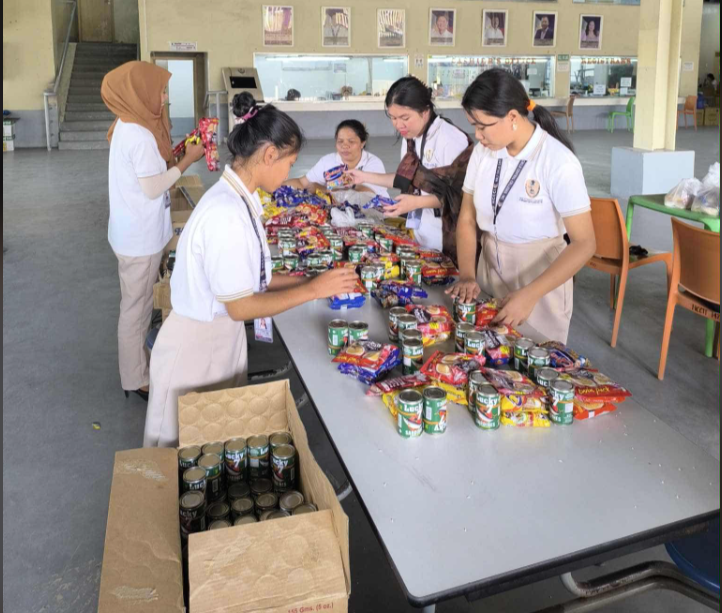
To address the challenge of student food insecurity, Holy Child Central Colleges, Inc. (HCCCI) has a programme in place on student food insecurity that ensures every student has equitable access to nutritious, affordable, and culturally appropriate meals. Recognizing that proper nutrition is foundational to academic success, mental well-being, and overall student development, HCCCI’s programme on student food insecurity is designed to meet immediate food needs while fostering long-term food security.
These efforts include confidential food assistance programs that allow students to access support without stigma, ensuring dignity and privacy for those experiencing financial hardships. Additionally, the institution offers structured meal programs, including subsidized or free meal plans, on-campus food pantries, and emergency meal provisions, all coordinated to respond promptly to students’ varying needs. HCCCI also emphasizes the importance of healthy, balanced diets, incorporating fresh produce, protein-rich options, and culturally sensitive meals into its offerings.
Beyond providing meals, the programme on student food insecurity integrates education on nutrition, sustainable food choices, and responsible consumption, empowering students to make informed decisions about their health and well-being. By combining immediate support with educational outreach, HCCCI demonstrates its commitment not only to alleviating hunger but also to nurturing a campus culture where all students can thrive academically and personally, free from the barriers of student food insecurity.
𝐂𝐚𝐦𝐩𝐮𝐬-𝐁𝐚𝐬𝐞𝐝 𝐈𝐧𝐭𝐞𝐫𝐯𝐞𝐧𝐭𝐢𝐨𝐧𝐬 𝐟𝐨𝐫 𝐒𝐭𝐮𝐝𝐞𝐧𝐭 𝐇𝐮𝐧𝐠𝐞𝐫 𝐑𝐞𝐝𝐮𝐜𝐭𝐢𝐨𝐧
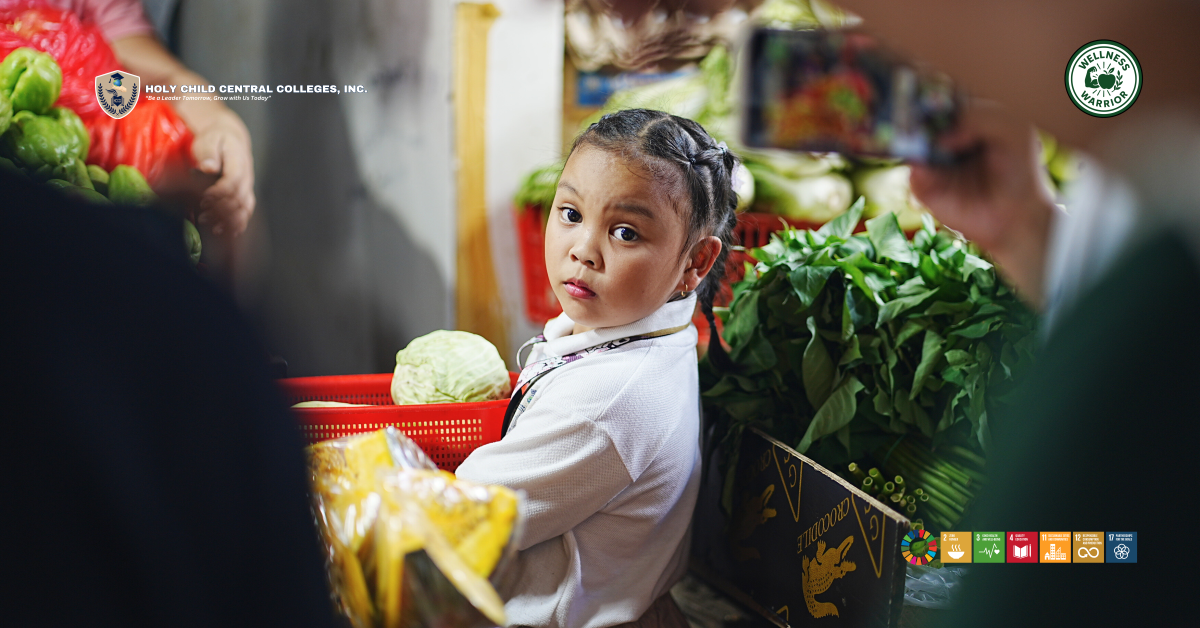
Holy Child Central Colleges, Inc. (HCCCI) has taken progressive measures to address student food insecurity by establishing programs that ensure access to nutritious, affordable, and culturally appropriate meals. Through food assistance initiatives, the institution provides students with balanced daily meals that promote well-being and enhance academic performance. To uphold inclusivity, dedicated vegetarian, vegan, and halal sections have been introduced to cater to diverse dietary preferences and faith-based requirements. Moreover, HCCCI strengthens its commitment to sustainability and community empowerment by sourcing fresh vegetables and other food products directly from local farmers and producers, thereby supporting the local economy while promoting environmentally responsible practices.
𝐏𝐥𝐚𝐭𝐞 𝐭𝐨 𝐏𝐚𝐥𝐞𝐭𝐭𝐞: 𝐀𝐝𝐯𝐚𝐧𝐜𝐢𝐧𝐠 𝐒𝐮𝐬𝐭𝐚𝐢𝐧𝐚𝐛𝐥𝐞 𝐅𝐨𝐨𝐝 𝐂𝐡𝐨𝐢𝐜𝐞𝐬
Holy Child Central Colleges, Inc. (HCCCI) demonstrates a comprehensive and strategic commitment to eradicating hunger and promoting sustainable food choices on campus for all students, faculty, and staff, including vegetarian and vegan food. Recognizing that food security is essential to academic success, health, and well-being, the institution has implemented multi-faceted initiatives that address both access to nutritious food and sustainable consumption practices.
HCCCI’s Campus Food Waste Monitoring Initiative further strengthens its commitment to sustainable food choices on campus and environmental stewardship. By tracking food waste across all food outlets and selected food outlets, the institution identifies opportunities to reduce excess, redirect surplus to students in need, and foster a culture of mindful consumption. This initiative not only minimizes ecological impact but also transforms everyday choices into meaningful contributions toward a hunger-free and environmentally conscious future.
In addition, the institution prioritizes sustainable and healthy food choices across all food outlets and selected food outlets. Through the School Canteen Committee, menus feature plant-based, vegetarian, and nutritionally balanced options, while vendors are encouraged to source ingredients locally, supporting community farmers and reducing the campus’s environmental footprint. These efforts reinforce HCCCI’s values of compassion, inclusivity, and ecological stewardship, demonstrating an integrated approach that connects sustainable food choices on campus, food security, and community well-being.
𝐇𝐞𝐚𝐥𝐭𝐡 𝐟𝐨𝐫 𝐞𝐯𝐞𝐫𝐲 𝐁𝐮𝐝𝐠𝐞𝐭
In support of its commitment to sustainability and inclusivity, Holy Child Central Colleges, Inc. (HCCCI) issued a memorandum implementing sustainable food choices within the school canteen. This initiative promotes the consumption of nutritious meals that are both environmentally responsible and culturally sensitive. The policy introduces dedicated vegan, vegetarian, and halal sections, ensuring that all members of the campus community have access to meals that align with their dietary preferences and faith-based requirements. By sourcing ingredients locally and prioritizing plant-based options, the school not only reduces its environmental footprint but also strengthens partnerships with local farmers and producers, advancing its mission toward a more sustainable, inclusive, and health-conscious campus environment.
𝐖𝐨𝐫𝐤, 𝐖𝐞𝐥𝐥𝐧𝐞𝐬𝐬, 𝐚𝐧𝐝 𝐍𝐨𝐮𝐫𝐢𝐬𝐡𝐦𝐞𝐧𝐭: 𝐈𝐧𝐭𝐞𝐫𝐯𝐞𝐧𝐭𝐢𝐨𝐧𝐬 𝐓𝐨𝐰𝐚𝐫𝐝 𝐚 𝐇𝐮𝐧𝐠𝐞𝐫-𝐅𝐫𝐞𝐞 𝐖𝐨𝐫𝐤𝐩𝐥𝐚𝐜𝐞
Holy Child Central Colleges, Inc. (HCCCI) developed initiatives that promote accessible, nutritious, and budget-friendly meals for the entire campus community. This program was created to ensure that students, faculty, and staff have regular access to meals that support their physical well-being and academic productivity without financial strain. HCCCI’s commitment extends beyond affordability by incorporating balanced nutrition, sustainable sourcing, and inclusivity through the availability of vegan, vegetarian, and halal options. These efforts reflect the institution’s dedication to fostering a healthy learning environment while upholding sustainable practices and equitable access to quality food for all.
𝐂𝐮𝐥𝐭𝐢𝐯𝐚𝐭𝐢𝐧𝐠 𝐂𝐡𝐚𝐧𝐠𝐞: 𝐄𝐦𝐩𝐨𝐰𝐞𝐫𝐢𝐧𝐠 𝐆𝐫𝐚𝐝𝐮𝐚𝐭𝐞𝐬 𝐓𝐨𝐰𝐚𝐫𝐝 𝐒𝐮𝐬𝐭𝐚𝐢𝐧𝐚𝐛𝐥𝐞 𝐀𝐠𝐫𝐢𝐜𝐮𝐥𝐭𝐮𝐫𝐞 𝐚𝐧𝐝 𝐀𝐪𝐮𝐚𝐜𝐮𝐥𝐭𝐮𝐫𝐞
Holy Child Central Colleges, Inc. (HCCCI) integrates agricultural, aquacultural, and sustainability concepts into its technical and professional programs, promoting responsible food production and sound resource management. A key part of this effort is the course FSM 5 – Food Processing, Packaging, and Labeling, which emphasizes sustainable food systems through the efficient use of agricultural products, innovative processing methods, and environmentally conscious packaging solutions. The course equips learners with value-adding skills while reducing post-harvest losses, reinforcing the principles of food security and environmental responsibility.
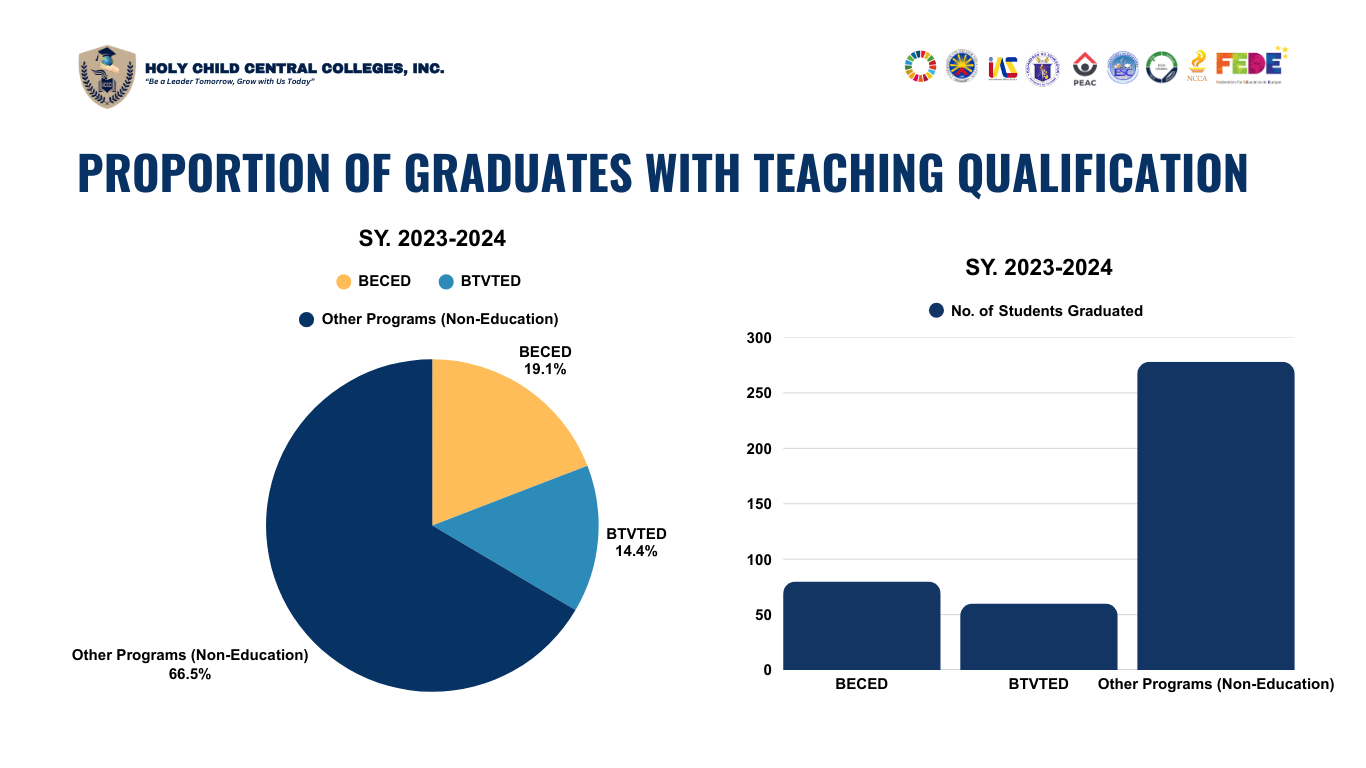
In the previous academic year, 60 students completed the Bachelor of Technical-Vocational Teacher Education (BTVTED) major in Food Security, contributing to a total of 418 graduates from all academic programs. Their accomplishment reflects a strong commitment to developing practical teaching competencies and technical expertise in food service management, sustainable agriculture, and community nutrition. This milestone highlights HCCCI’s expanding role in shaping educators and professionals who champion sustainability and responsible food practices. Monitoring the proportion of graduates from this program further demonstrates HCCCI’s dedication to advancing the United Nations Sustainable Development Goal (SDG) 2: Zero Hunger, as the institution continues to produce graduates who help build resilient, sustainable, and equitable food systems in their communities and future workplaces.
𝐊𝐧𝐨𝐰𝐥𝐞𝐝𝐠𝐞 𝐟𝐨𝐫 𝐆𝐫𝐨𝐰𝐭𝐡: 𝐏𝐫𝐨𝐦𝐨𝐭𝐢𝐧𝐠 𝐅𝐨𝐨𝐝 𝐒𝐞𝐜𝐮𝐫𝐢𝐭𝐲 𝐓𝐡𝐫𝐨𝐮𝐠𝐡 𝐄𝐝𝐮𝐜𝐚𝐭𝐢𝐨𝐧 𝐚𝐧𝐝 𝐈𝐧𝐧𝐨𝐯𝐚𝐭𝐢𝐨𝐧
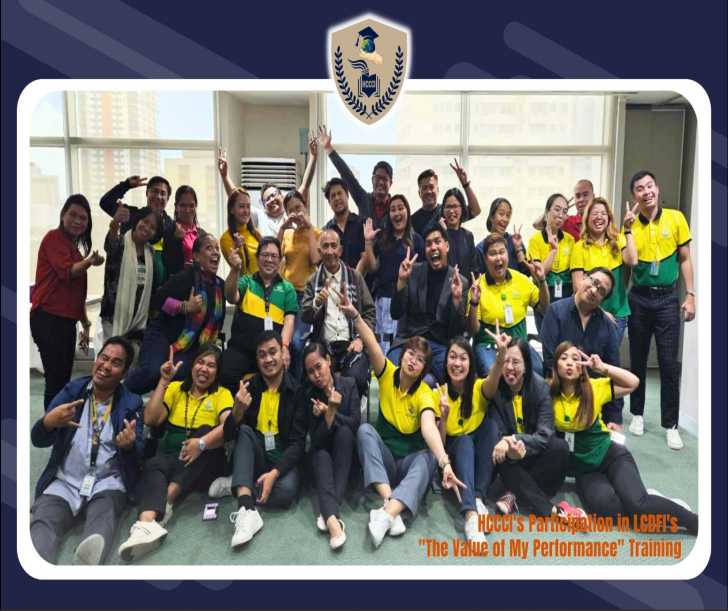
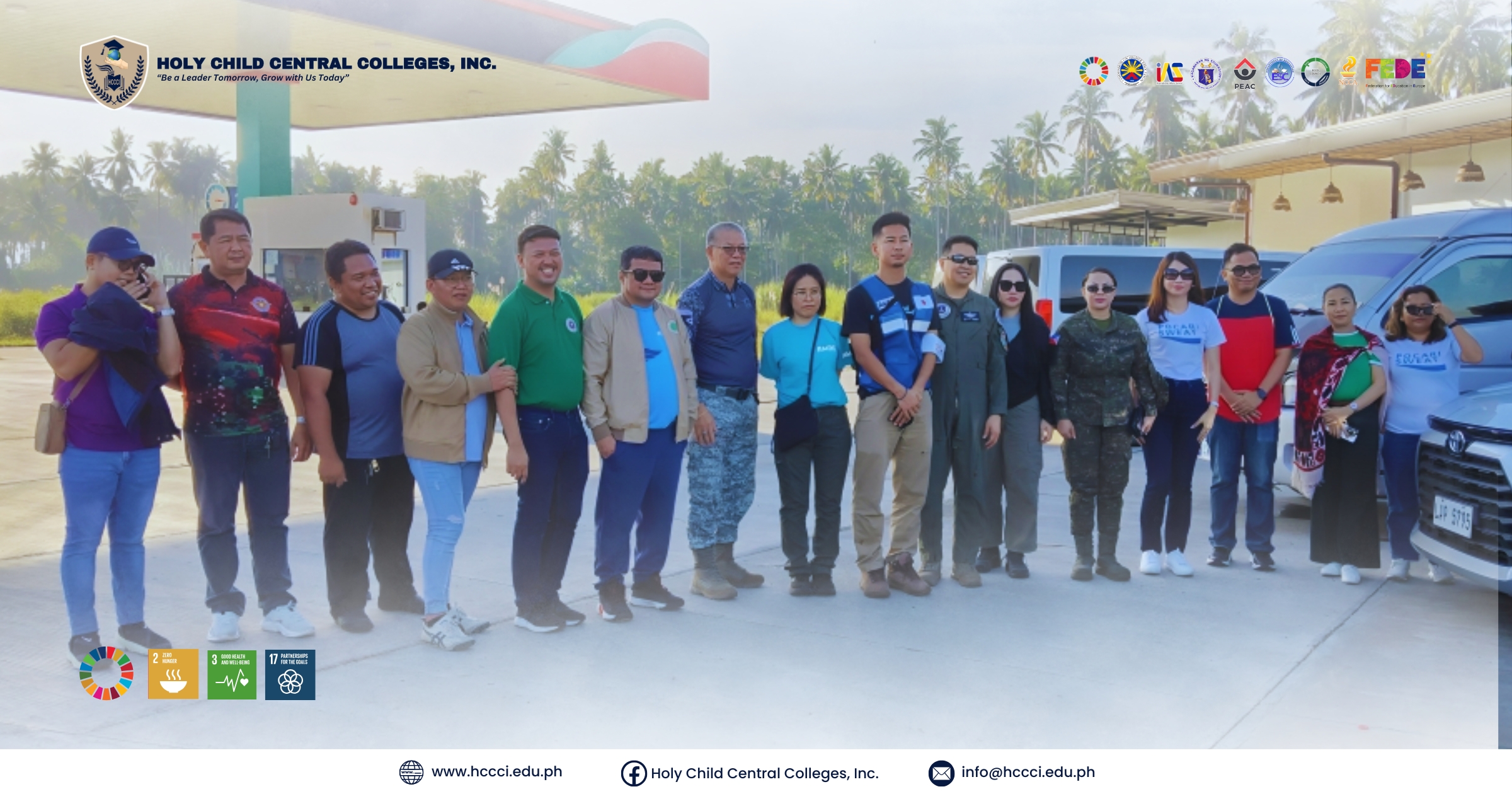
To strengthen community collaboration and advance sustainable agricultural practices, Holy Child Central Colleges, Inc. (HCCCI), in partnership with the Landbank Countryside Development Foundation, Inc. (LCDFI), hosted an event that convened local farmers and partner Local Government Units (LGUs).
The activity aimed to equip participants with the essential knowledge and practical skills necessary for sustainable food production, resource management, and community-based development.
Through interactive discussions and learning sessions, farmers and local food producers were encouraged to share best practices, foster partnerships, and deepen their understanding of their vital role in achieving food security and environmental sustainability.
𝐓𝐨𝐠𝐞𝐭𝐡𝐞𝐫 𝐖𝐞 𝐆𝐫𝐨𝐰: 𝐂𝐨𝐥𝐥𝐚𝐛𝐨𝐫𝐚𝐭𝐢𝐯𝐞 𝐋𝐞𝐚𝐫𝐧𝐢𝐧𝐠 𝐟𝐨𝐫 𝐒𝐮𝐬𝐭𝐚𝐢𝐧𝐚𝐛𝐥𝐞 𝐅𝐨𝐨𝐝 𝐏𝐫𝐨𝐝𝐮𝐜𝐭𝐢𝐨𝐧
HCCCI and its partner agencies demonstrated effective knowledge transfer by showcasing actual farming practices through hands-on demonstrations and guided activities. Instead of limiting the sessions to theoretical discussions, trainers provided live demonstrations of natural farming techniques, soil preparation, organic fertilizer production, and farm layout planning. Farmers were able to observe each process step by step, ask questions in real-time, and practice the methods themselves, ensuring that the knowledge was not only understood but also applied.
These demonstrations were further supported by video presentations featuring real agricultural conditions in Lake Sebu, allowing participants to connect the new techniques to familiar contexts. This combination of visual learning, practical application, and expert coaching strengthened farmers’ skills and ensured that sustainable farming styles could be adopted effectively within their own communities.
𝐏𝐚𝐫𝐭𝐧𝐞𝐫𝐢𝐧𝐠 𝐟𝐨𝐫 𝐏𝐫𝐨𝐠𝐫𝐞𝐬𝐬: 𝐔𝐧𝐢𝐯𝐞𝐫𝐬𝐢𝐭𝐢𝐞𝐬 𝐒𝐮𝐩𝐩𝐨𝐫𝐭𝐢𝐧𝐠 𝐋𝐨𝐜𝐚𝐥 𝐅𝐨𝐨𝐝 𝐒𝐲𝐬𝐭𝐞𝐦𝐬
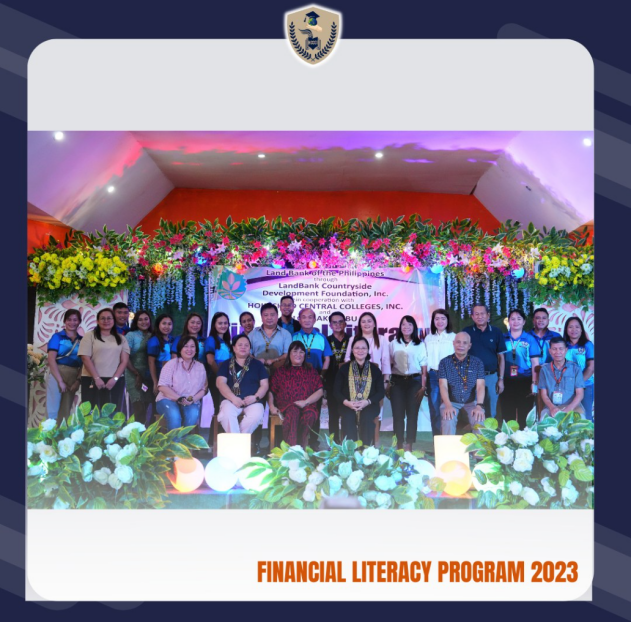
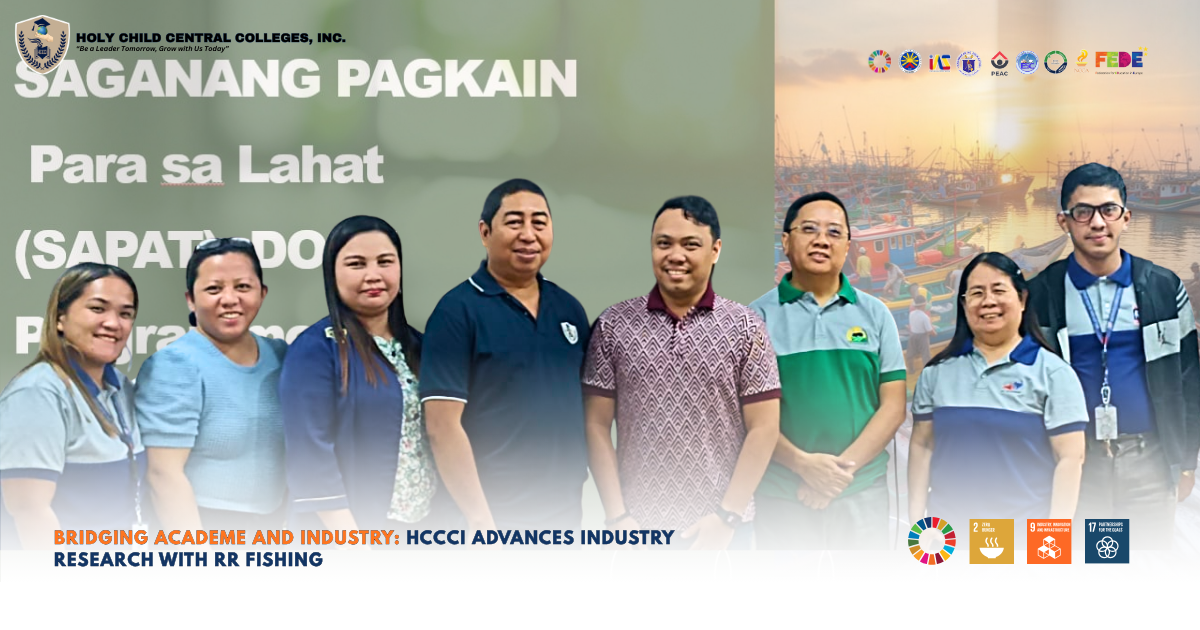
Holy Child Central Colleges, Inc. (HCCCI) demonstrates its commitment to sustainability and community empowerment by procuring fresh farm products and locally produced goods directly from farmers within partner Local Government Units (LGUs).
Demonstrating its steadfast commitment to community service, HCCCI made its facilities available. This support not only eased logistical expenses for partner agencies but also reflected HCCCI’s strong advocacy for empowering local farmers through accessible and community-oriented learning environments. By offering its classrooms and training spaces at no cost, HCCCI reinforced its mission to keep quality education and capacity-building opportunities open and attainable for the agricultural sector of Lake Sebu.
Beyond supporting local livelihoods, this initiative also reflects HCCCI’s broader vision of fostering resilient and self-sustaining communities. Through responsible procurement and continued collaboration with local farmers, the university actively contributes to improving food quality, reducing its environmental footprint, and promoting sustainable growth within its partner LGUs.
𝐓𝐡𝐢𝐧𝐤 𝐋𝐨𝐜𝐚𝐥, 𝐄𝐚𝐭 𝐒𝐮𝐬𝐭𝐚𝐢𝐧𝐚𝐛𝐥𝐞: 𝐀𝐝𝐯𝐚𝐧𝐜𝐢𝐧𝐠 𝐑𝐞𝐬𝐩𝐨𝐧𝐬𝐢𝐛𝐥𝐞 𝐅𝐨𝐨𝐝 𝐏𝐫𝐨𝐜𝐮𝐫𝐞𝐦𝐞𝐧𝐭
Holy Child Central Colleges, Inc. (HCCCI) actively promotes collaboration with local farmers and food producers as part of its commitment to sustainability and community empowerment. The institution prioritizes locally sourced ingredients in its food service operations to support the regional agricultural economy while reducing the environmental impact of long-distance food transport. Through partnerships with local cooperatives, small-scale producers, and suppliers, HCCCI ensures access to fresh, affordable, and nutritious food options within the campus. These collaborations also provide experiential learning opportunities for students, fostering awareness of sustainable agriculture and responsible consumption. By connecting education with local food systems.