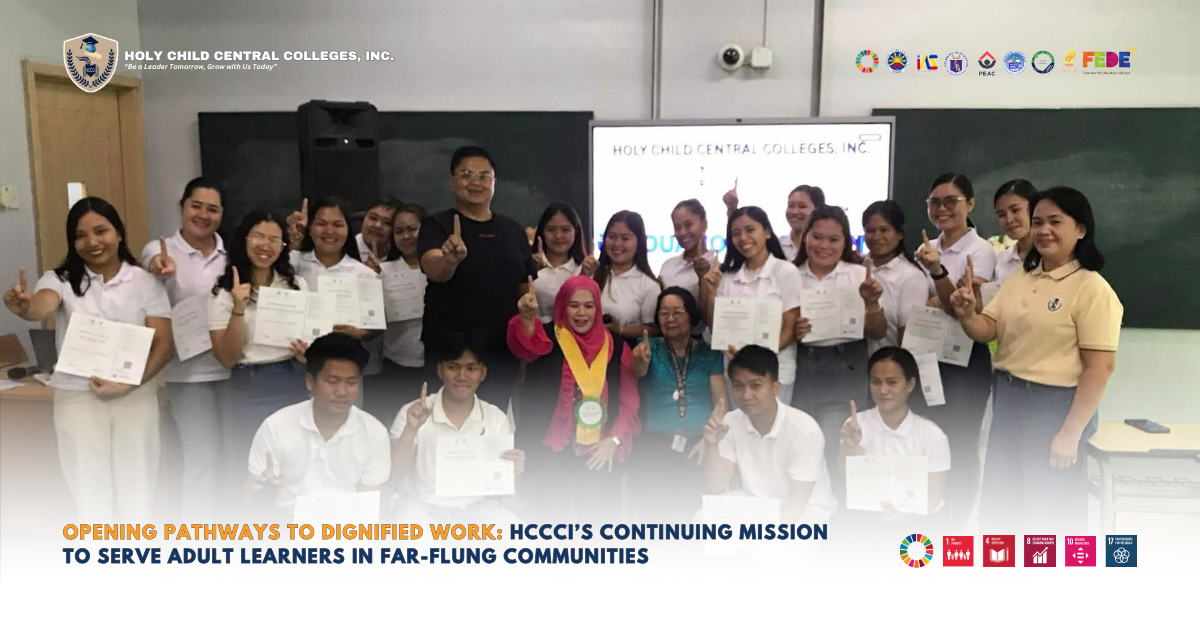
𝐎𝐩𝐞𝐧𝐢𝐧𝐠 𝐏𝐚𝐭𝐡𝐰𝐚𝐲𝐬 𝐭𝐨 𝐃𝐢𝐠𝐧𝐢𝐟𝐢𝐞𝐝 𝐖𝐨𝐫𝐤: 𝐇𝐂𝐂𝐂𝐈’𝐬 𝐂𝐨𝐧𝐭𝐢𝐧𝐮𝐢𝐧𝐠 𝐌𝐢𝐬𝐬𝐢𝐨𝐧 𝐭𝐨 𝐒𝐞𝐫𝐯𝐞 𝐀𝐝𝐮𝐥𝐭 𝐋𝐞𝐚𝐫𝐧𝐞𝐫𝐬 𝐢𝐧 𝐅𝐚𝐫-𝐅𝐥𝐮𝐧𝐠 𝐂𝐨𝐦𝐦𝐮𝐧𝐢𝐭𝐢𝐞𝐬
For many years, Holy Child Central Colleges, Inc. (HCCCI) has quietly carried a mission that goes beyond the walls of the classroom—bringing livelihood training, skills development, and work opportunities to adult learners in communities where access to education and employment is often limited.
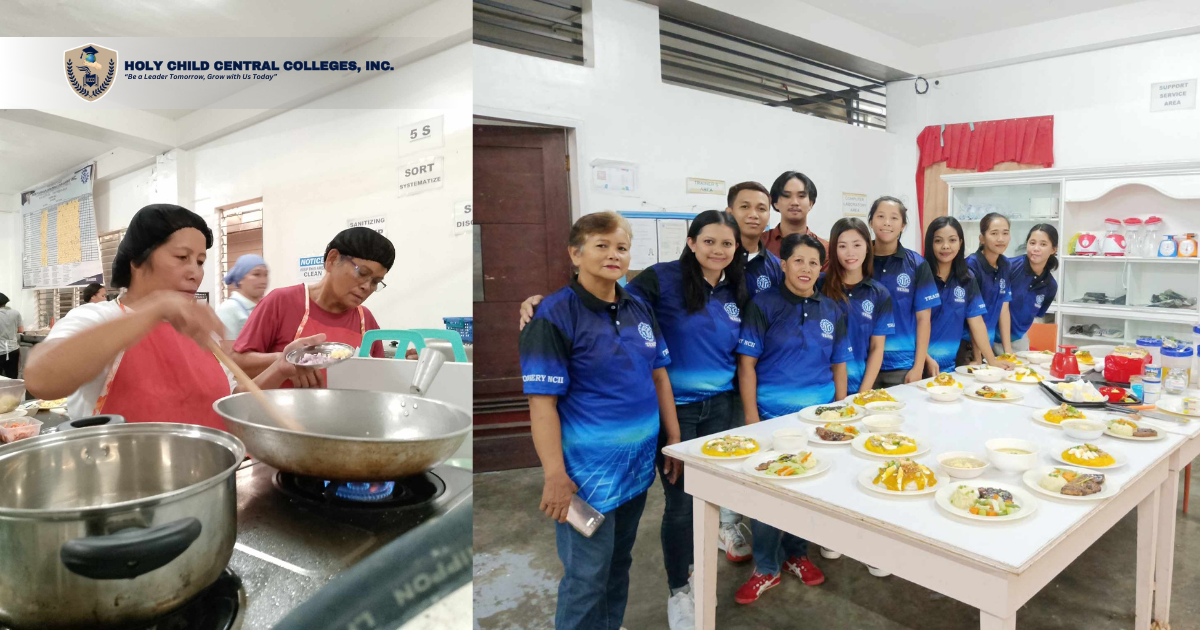
In the far-flung barangays and upland areas of Surallah, South Cotabato, many adults face the daily reality of scarce job opportunities, particularly those who were unable to complete formal education. For these individuals, earning a living is not simply about ambition—it is about survival, dignity, and hope for their families. Recognizing this reality, HCCCI has consistently worked to meet people where they are, offering practical pathways toward employability and self-sufficiency.
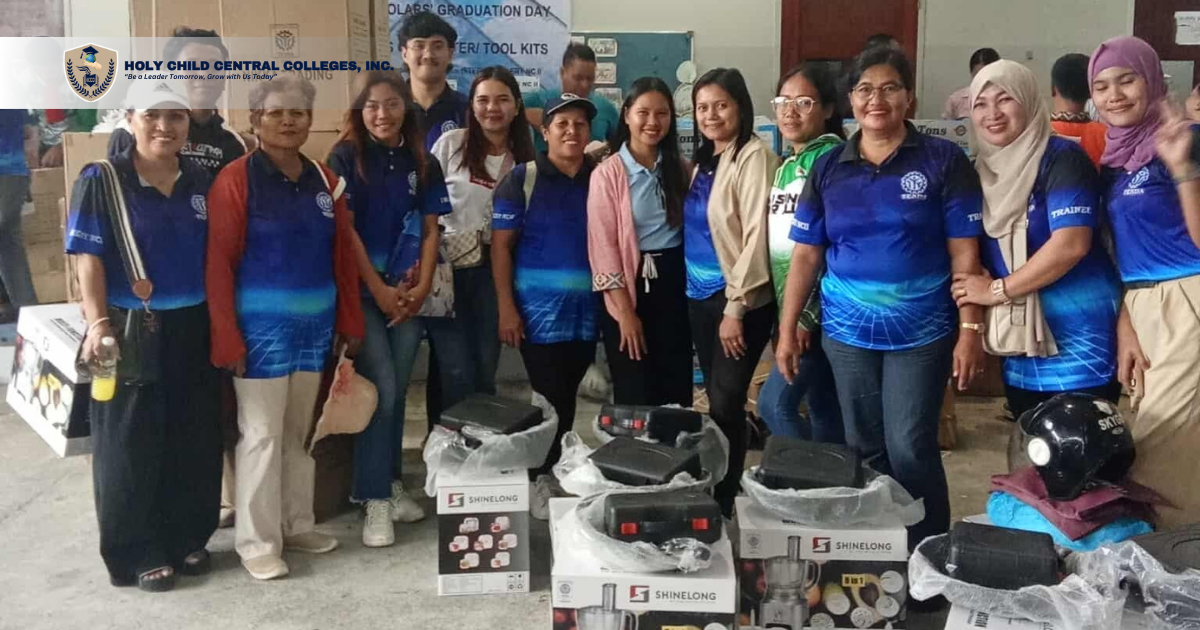
Through its sustained collaboration with the Technical Education and Skills Development Authority (TESDA), the institution has delivered community-based training programs that focus on real skills for real work—skills that can be used immediately to earn income, start small enterprises, or access employment.
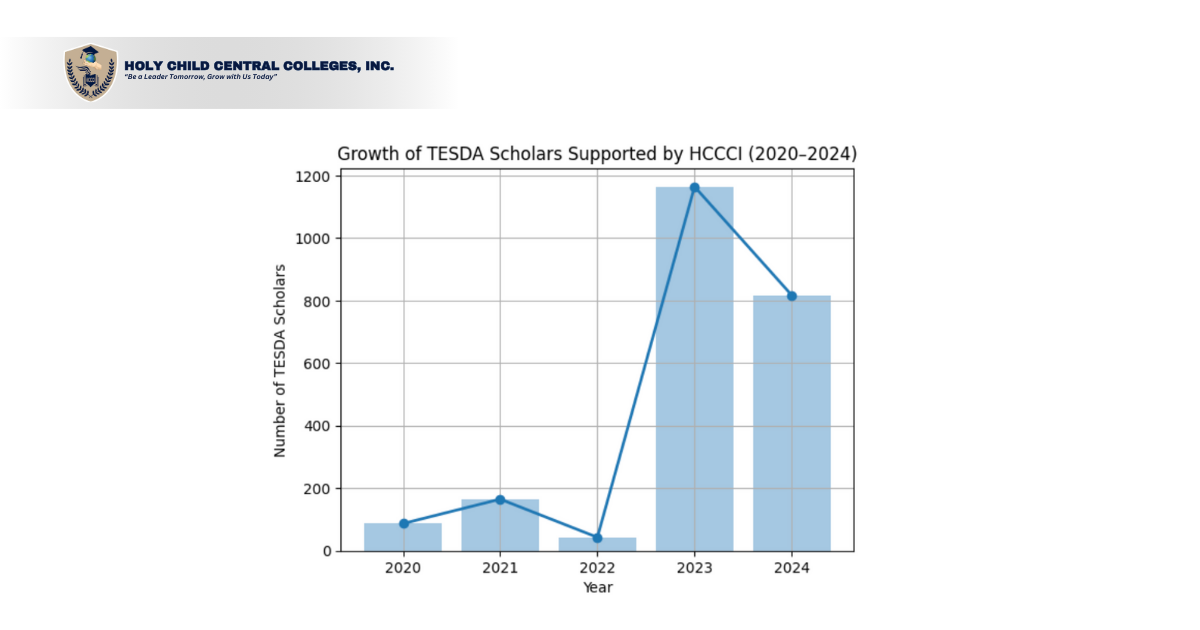
In 2020, HCCCI provided skills training in Cookery and Driving, reaching 87 adult learners, all of whom successfully completed their programs. Despite the challenges of the time, these learners acquired competencies that enabled them to provide food services, transport assistance, and essential community support—often becoming sources of livelihood for their households during a period of great uncertainty.
The following year, HCCCI expanded its reach to 165 adult learners, introducing Bookkeeping and Housekeeping alongside Cookery. These programs addressed not only income generation but also the growing need for financial literacy and service skills within small businesses and households. Every participant completed the program, reflecting both commitment from the learners and strong community support systems.
In 2022, the institution concentrated on a smaller cohort of 43 learners in Cookery training. Though modest in number, the impact remained meaningful—participants were equipped with practical skills that translated directly into food preparation, small vending, and household-based income activities. This year underscored HCCCI’s belief that impact is not measured by scale alone, but by relevance and outcomes.
A significant expansion took place in 2023, when 1,164 adult learners participated in training across Bookkeeping, Driving, Cookery, Computer Systems Servicing, and Housekeeping, with 1,144 successfully completing their programs.
This expansion reflected growing trust from communities and increased demand for skills that respond to everyday economic realities. From food preparation and transport services to basic IT support and financial recordkeeping, these competencies enabled learners to serve their communities while building stable sources of income for their families.
In 2024, HCCCI continued its mission with 817 adult learners, of whom 814 completed their training. Programs in Cookery, Bookkeeping, Computer Systems Servicing, Driving, and Housekeeping remained strongly aligned with livelihood needs in both rural and semi-urban areas.
For many participants, these certifications represented more than credentials—they symbolized a second chance. A chance to earn, to contribute, and to stand with confidence in their communities, regardless of past educational limitations.
Across the years, one truth remains constant: HCCCI’s commitment has never been limited to certification alone. The institution’s work has always been grounded in the belief that education must lead to dignified work, especially for those who have long been underserved.
By bringing skills training closer to communities, aligning programs with local needs, and recognizing the realities of adult learners’ lives, HCCCI continues to serve as a quiet but steady partner in community development. Each trained learner represents a household strengthened, a livelihood started, and a future made more secure.
As HCCCI moves forward, this mission endures—not as a project, but as a responsibility to the people it serves.
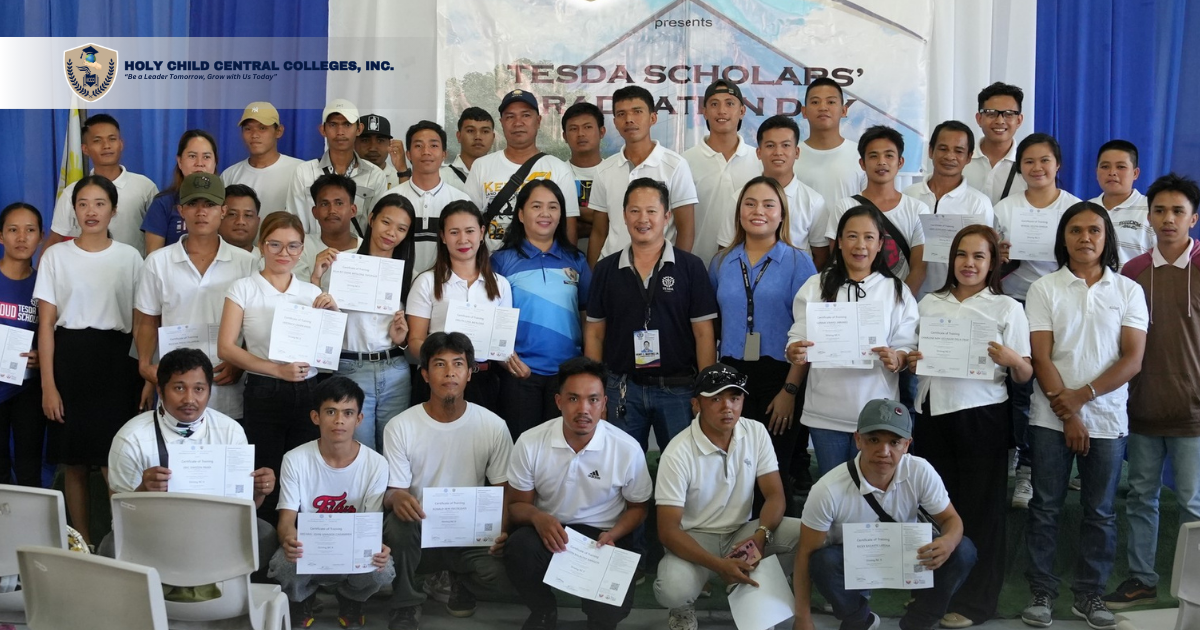
HCCCI’s continuing commitment to livelihood training is closely aligned with the United Nations Sustainable Development Goals, particularly SDG 4 (Quality Education) and SDG 8 (Decent Work and Economic Growth). By providing accessible, skills-based learning and nationally recognized certifications to adult learners—especially those in far-flung and upland communities—the institution supports lifelong learning opportunities that lead directly to employability and self-reliance.
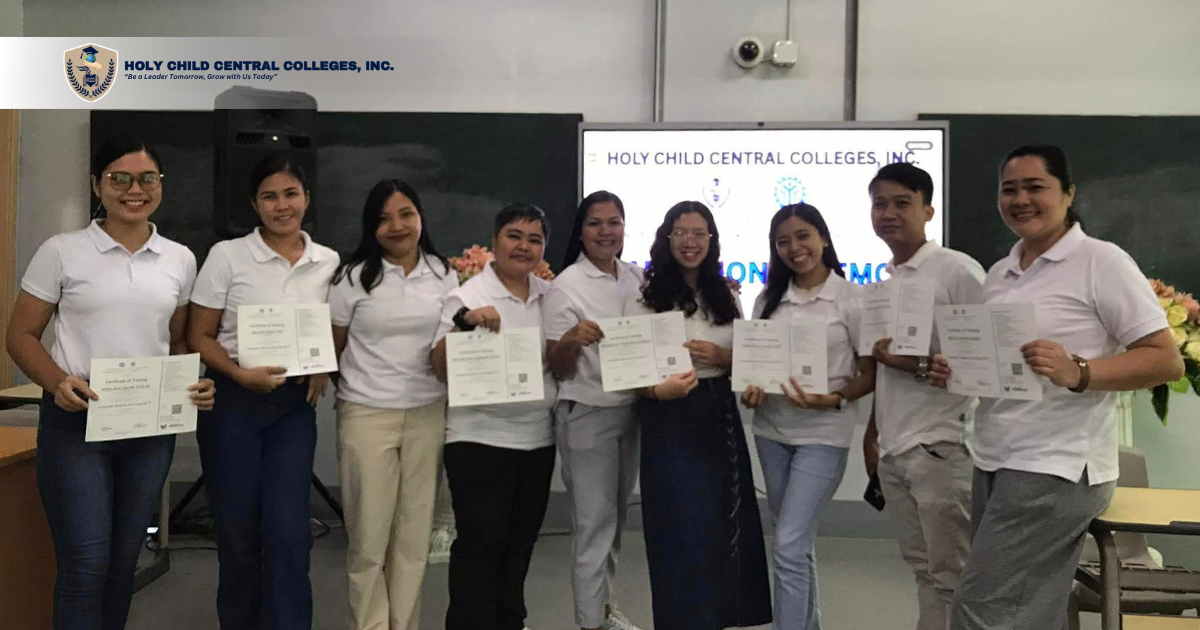
This work also contributes to SDG 1 (No Poverty) and SDG 10 (Reduced Inequalities) by creating income pathways for individuals who have limited access to formal education and stable employment. Through sustained collaboration with TESDA, local government units, and industry partners, HCCCI advances SDG 17 (Partnerships for the Goals), ensuring that community development efforts are shared, responsive, and sustainable.
As HCCCI moves forward, its focus remains clear: education that leads to dignified work, stronger families, and more inclusive communities—where opportunity is not determined by geography or educational background, but by access, support, and shared commitment.