A Confluence of Differences: Advancing Equality and Belonging at HCCCI
Situated in the culturally diverse province of South Cotabato, Holy Child Central Colleges, Inc. (HCCCI) serves a community characterized by varied cultural identities, traditions, beliefs, and socioeconomic backgrounds. The province is home to Indigenous Peoples and other cultural communities, making diversity an important part of the institution's educational environment. In this context, HCCCI recognizes the different backgrounds of its students and employees and upholds equal treatment and respect as guiding principles in providing access to education and institutional activities.
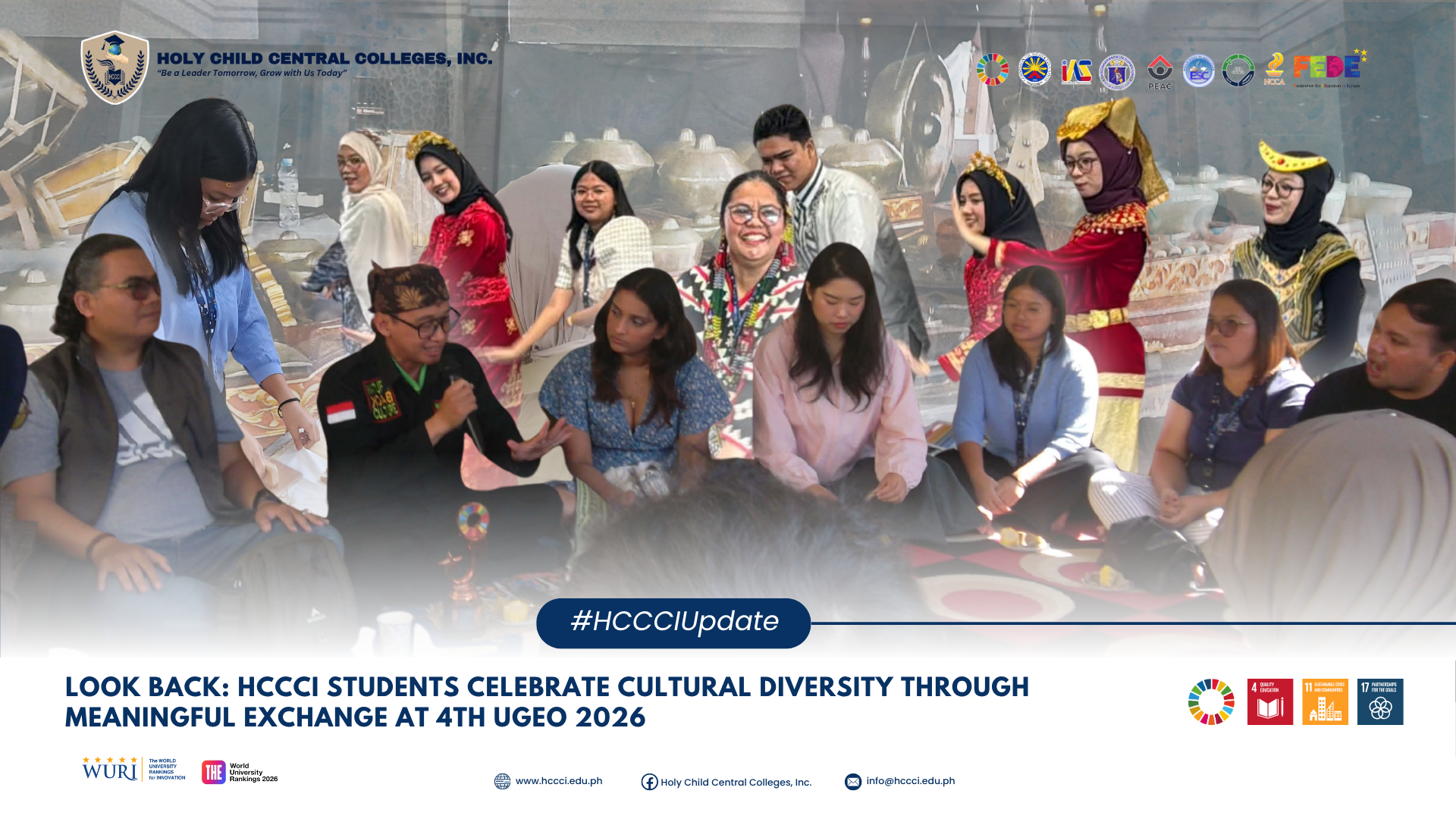
At HCCCI, diversity is reflected in the individuals who make up its school community. The institution recognizes that learners bring different experiences, perspectives, and circumstances into their educational journey. Regardless of their place of origin, cultural affiliation, beliefs, or socioeconomic background, students are welcomed and encouraged to take part in academic and co-curricular activities. This approach allows individuals to learn alongside one another while developing an appreciation for the differences that shape their community.
This commitment aligns with Sustainable Development Goal 10 (Reduced Inequalities), which promotes equal opportunities and participation for all, regardless of background or circumstance. By fostering a school culture grounded in respect and equal treatment, HCCCI contributes to an educational environment where diversity is recognized as part of community life and every learner has the opportunity to pursue their education and take part in school activities.
HCCCI's Growing Number of First-Generation Learners
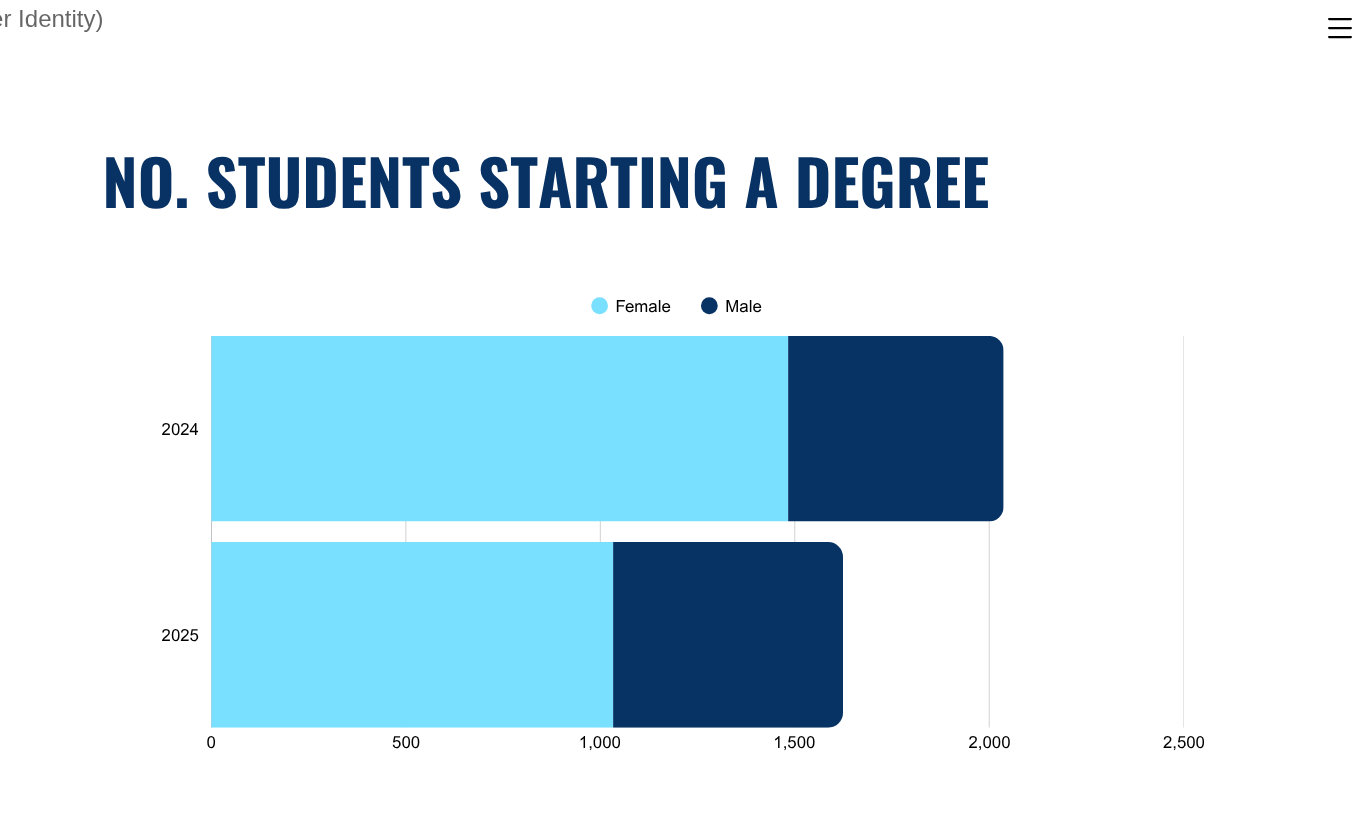
Holy Child Central Colleges, Inc. (HCCCI) serves a diverse community, including learners from surrounding rural, mountainous, and geographically isolated areas. For many of these communities, access to higher education represents an important opportunity to pursue aspirations that may not have been readily available to previous generations. In 2025, HCCCI welcomed 1,624 students starting a degree program, comprising 1,033 female students and 591 male students. This figure reflects a decrease of 413 students from the 2,037 recorded in 2024, which may be attributed, in part, to the introduction of new academic programs at the state college within the same municipality, offering prospective students additional choices for higher education.
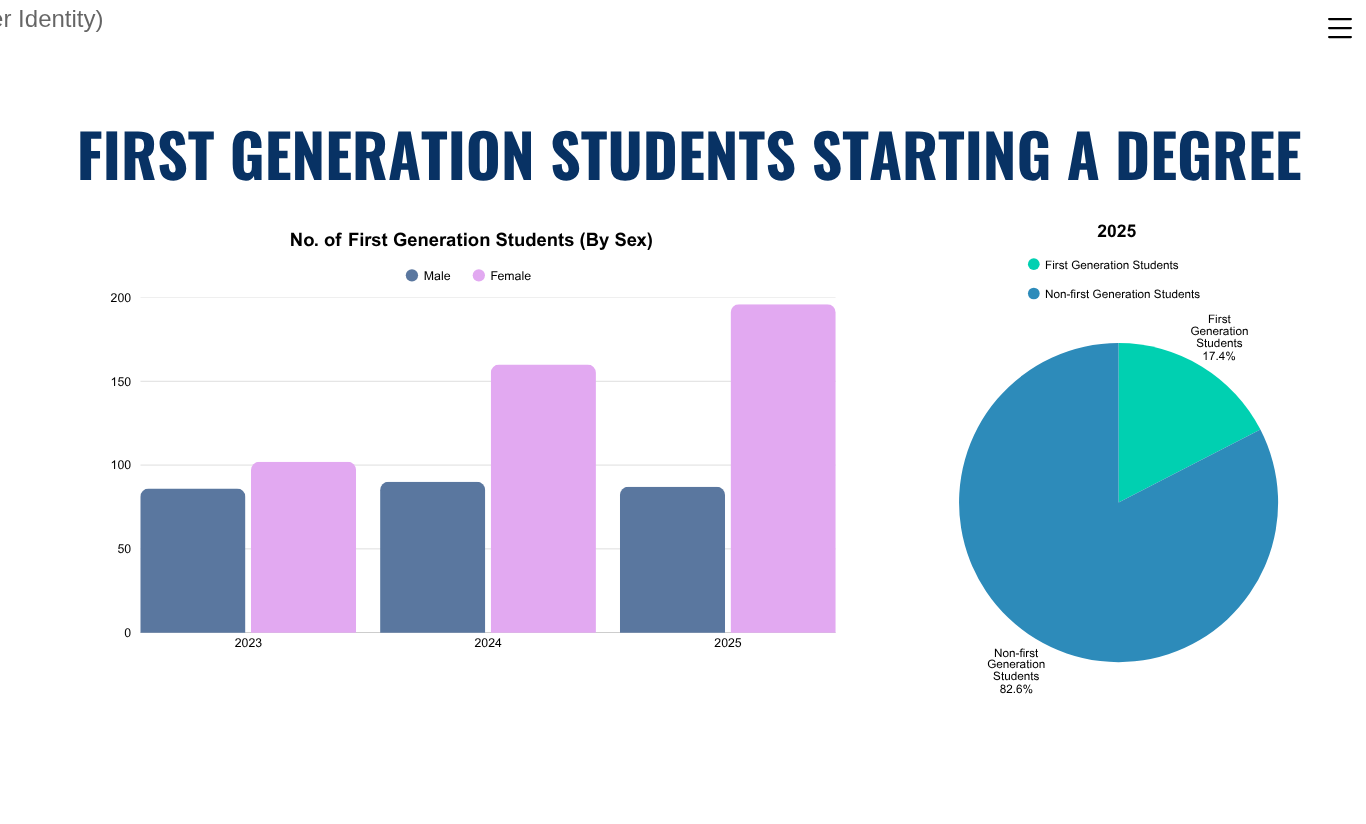
Within this incoming student population, 283 students were identified as first-generation learners, accounting for approximately 17.43% of the total. For these students, entering college carries a significance that extends beyond personal academic achievement. Being the first in their families to pursue a college degree represents the opening of new possibilities, not only for themselves but also for the generations that follow. In a community where geographical circumstances and access to educational opportunities can shape one's academic journey, their pursuit of higher education reflects the value of providing learning opportunities closer to home. HCCCI continues to be part of these journeys, welcoming learners from different backgrounds and helping them turn their aspirations into meaningful opportunities.
A closer comparison of the 2024 and 2025 enrollment figures reveals an encouraging development in the participation of first-generation students. While the overall number of students starting a degree program decreased from 2,037 in 2024 to 1,624 in 2025, first-generation enrollment increased from 250 to 283 students, representing a growth of 33 students or 13.2%. This increase highlights the continuing efforts and aspirations of individuals taking their families into new educational experiences.
International Learning Community
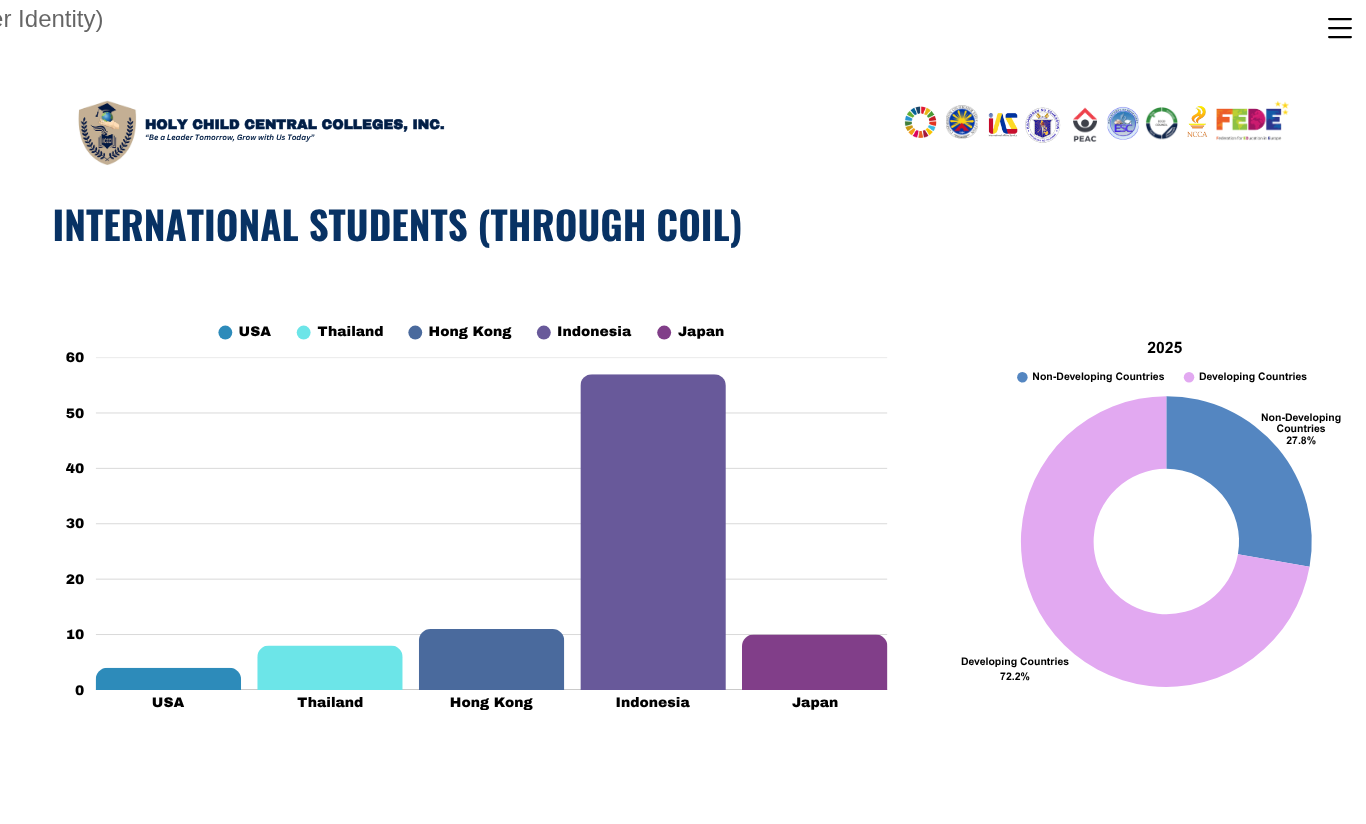
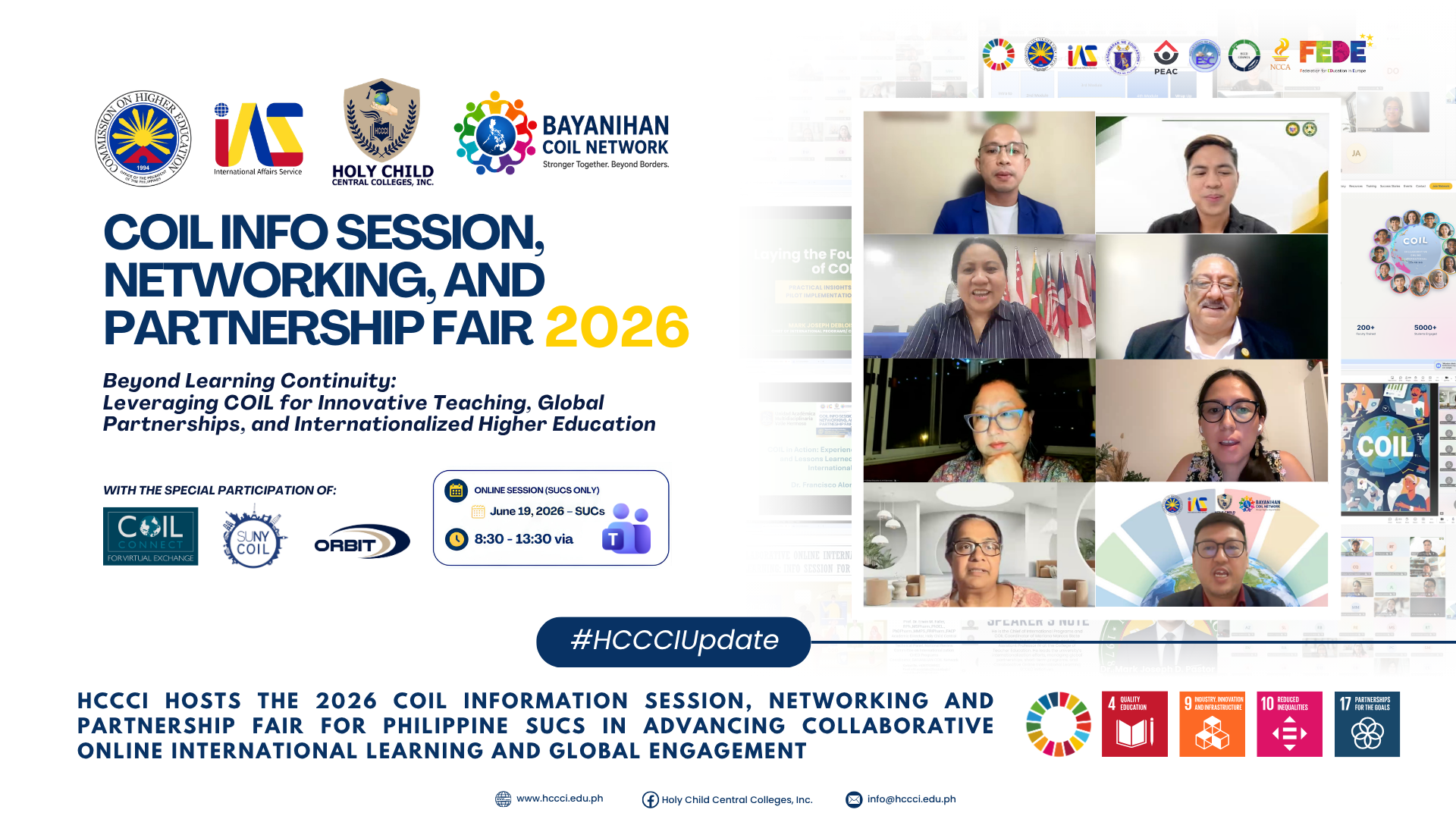
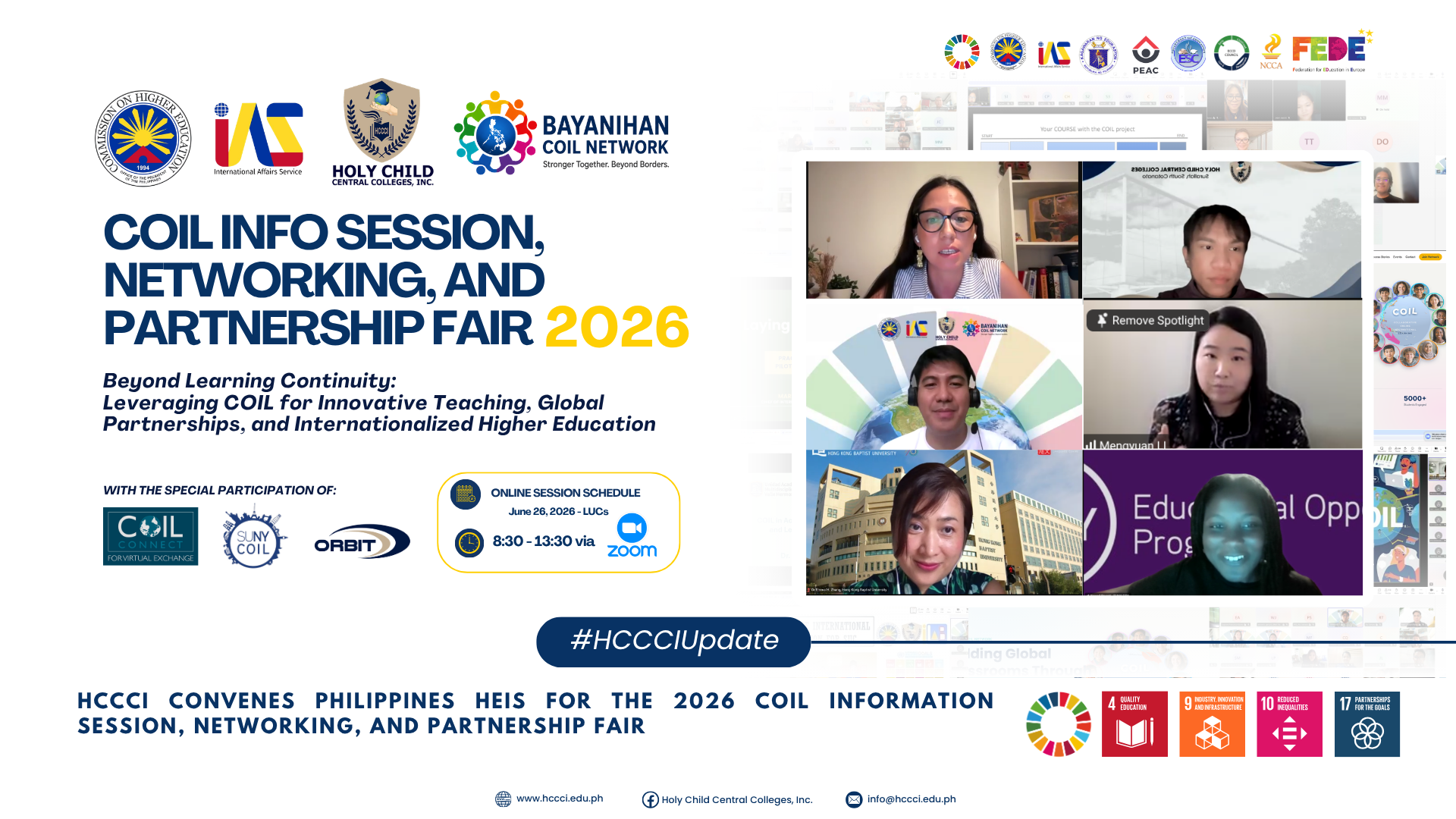
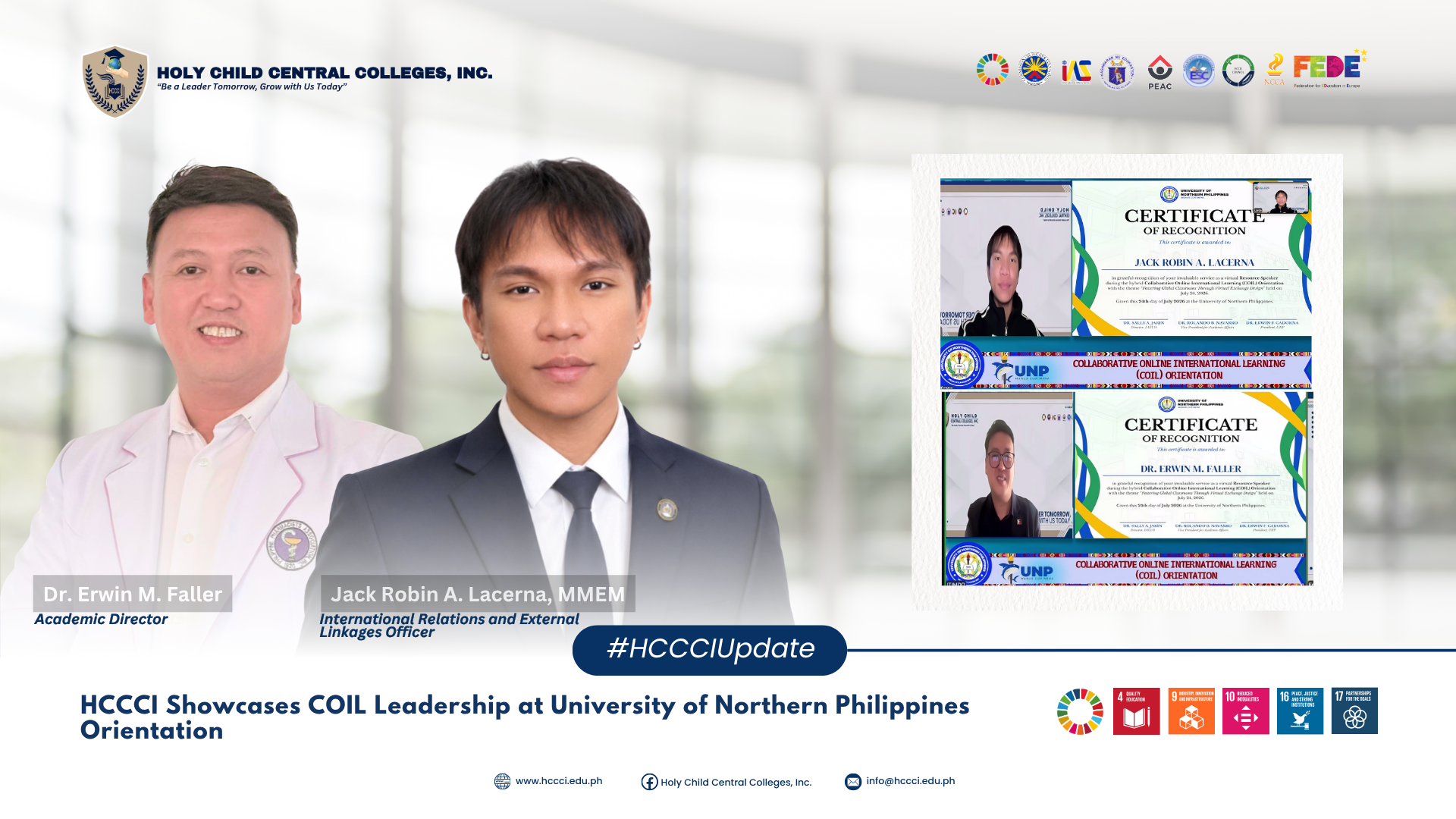
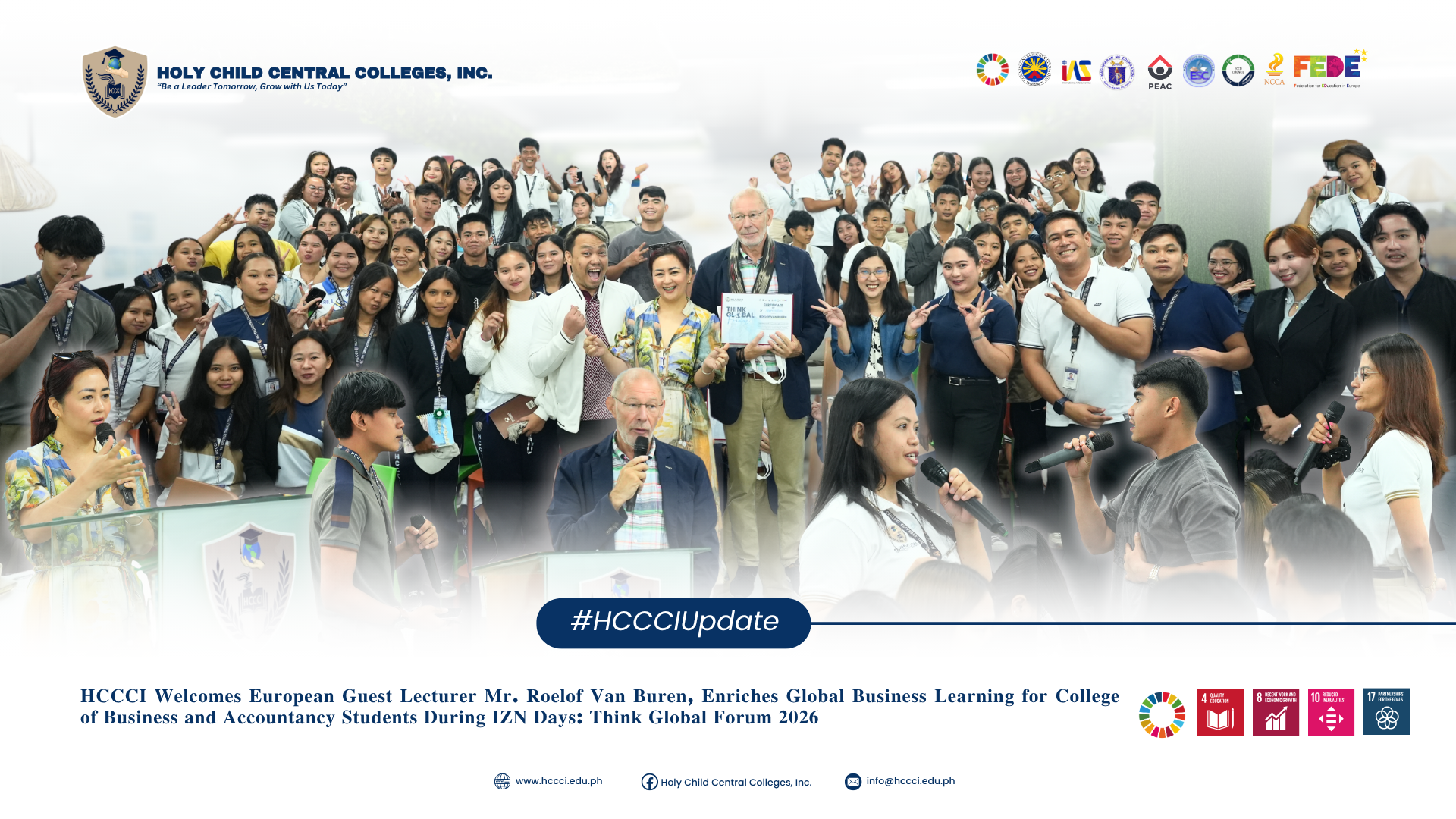
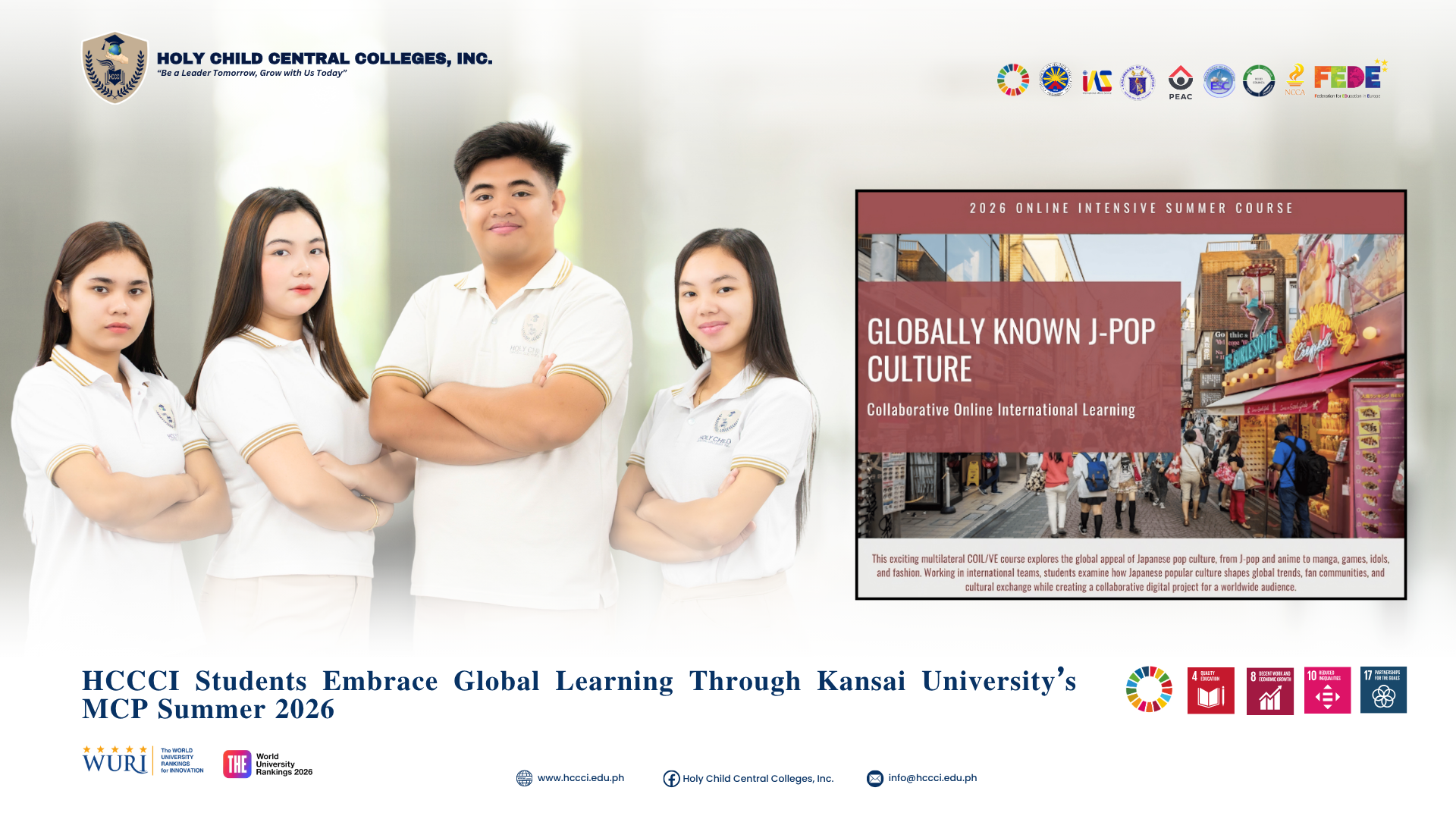
As part of its continuing efforts to strengthen internationalization, Holy Child Central Colleges, Inc. (HCCCI) actively engages in Collaborative Online International Learning (COIL), creating opportunities for students to connect and learn alongside peers from different parts of the world. In 2025, the institution recorded 90 international students who participated in its COIL initiatives, representing five countries and regions: the United States, Indonesia, Hong Kong, Thailand, and Japan.
Among the 90 international students, 65 came from developing countries, specifically 57 students from Indonesia and 8 students from Thailand. Their participation reflects the involvement of students from developing nations in HCCCI's international academic engagements. By providing opportunities for cross-border collaboration, the institution supports an inclusive learning environment where students from different economic and cultural backgrounds can contribute their perspectives, learn from one another, and participate in shared educational experiences. Such engagements help build connections that recognize the value of diverse voices in international education.
The students from developing countries accounted for approximately 72.22% of HCCCI's total international student participants in 2025. This proportion highlights the significant participation of students from developing nations in the institution's COIL initiatives. While internationalization often involves establishing connections across borders, it also means creating spaces where learners from diverse backgrounds and developing regions are equally represented and given opportunities to engage. Through these collaborative initiatives, HCCCI continues to nurture international academic partnerships, encourage cultural understanding, and promote more inclusive participation in global learning experiences.
Inclusive Education in Numbers
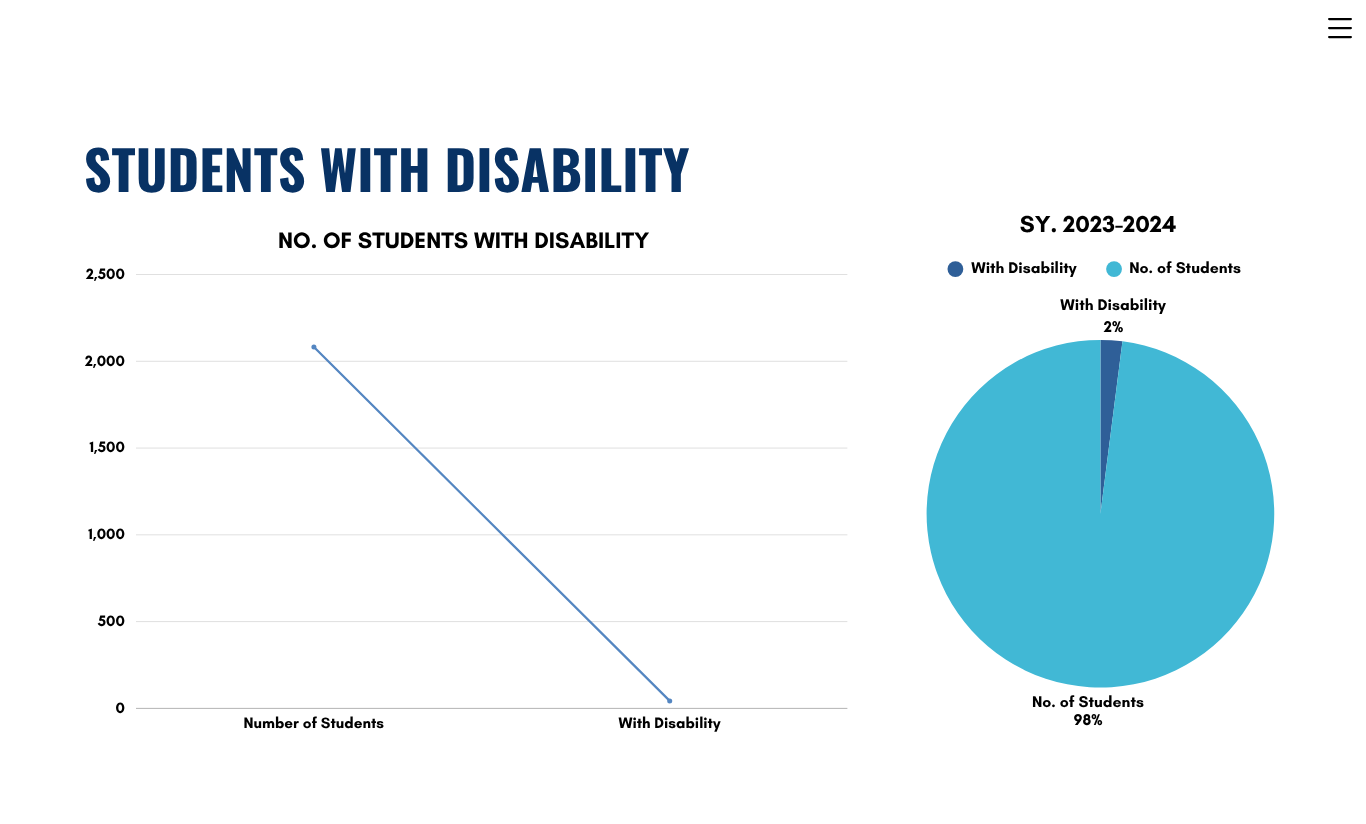
In 2025, Holy Child Central Colleges, Inc. (HCCCI) recorded a total of 2,082 enrolled students across its academic programmes. Representing the institution's overall student population, this figure reflects the diverse range of learners served through its educational offerings. As an institution catering to students from varied backgrounds and circumstances, HCCCI recognizes the importance of ensuring that educational opportunities remain accessible and responsive to the needs of its growing academic community.
Among the enrolled students, 43 were identified as persons with disabilities (PWDs). Their participation across the institution's academic programmes highlights the importance of creating learning environments that recognize different abilities and accommodate individual needs. In this regard, accessible campus facilities, appropriate learning spaces, support services, and reasonable accommodations contribute to providing students with opportunities to participate in academic activities and campus life.
In terms of overall representation, students with disabilities accounted for approximately 2.07% of HCCCI's total enrollment in 2025. This figure provides an overview of PWD participation within the institution's student population and serves as a reference for understanding the representation of learners with diverse needs. It also underscores the continuing importance of inclusive educational practices and accessible institutional facilities in supporting equitable participation in higher education.
Diverse Abilities, Shared Contributions: PWD Employees at HCCCI
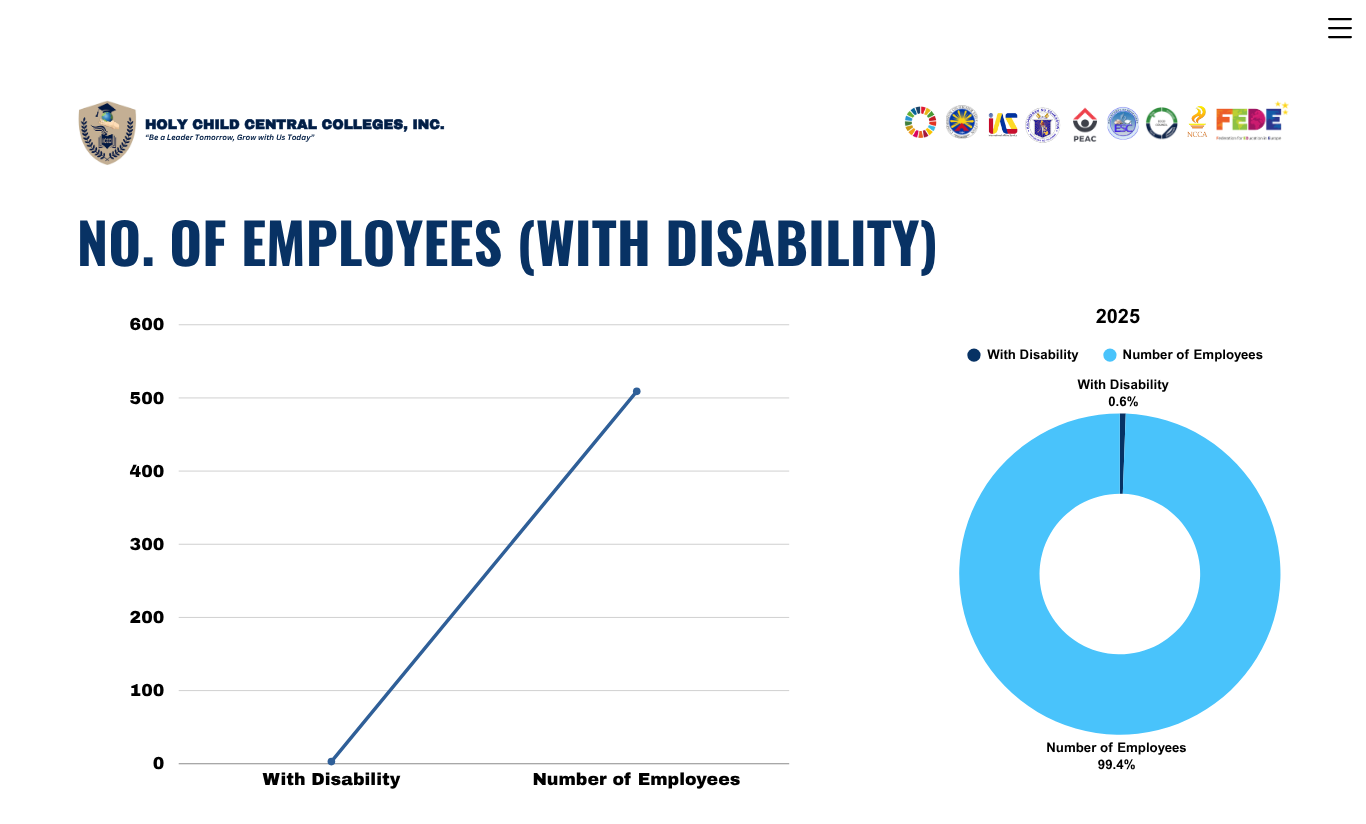
Holy Child Central Colleges, Inc. (HCCCI) recorded a total of 509 employees in 2025, comprising personnel involved in academic, administrative, and operational functions. These employees carry out various responsibilities, including instruction, student services, office administration, and institutional support, which contribute to the daily operations and delivery of educational services.
As part of its workforce, HCCCI has three (3) employees with disabilities. Their presence represents the participation of persons with disabilities in the institution's working environment, alongside employees with different roles, backgrounds, and abilities. Their inclusion forms part of the institution's employee composition.
Employees with disabilities account for approximately 0.59% of HCCCI's total workforce of 509 employees. This proportion presents the extent of PWD representation within the institution's personnel and provides a clearer picture of the diversity of its workforce.