𝐇𝐨𝐥𝐲 𝐂𝐡𝐢𝐥𝐝 𝐂𝐞𝐧𝐭𝐫𝐚𝐥 𝐂𝐨𝐥𝐥𝐞𝐠𝐞𝐬, 𝐈𝐧𝐜. 𝐒𝐭𝐫𝐞𝐧𝐠𝐭𝐡𝐞𝐧𝐬 𝐂𝐫𝐨𝐬𝐬-𝐒𝐞𝐜𝐭𝐨𝐫𝐚𝐥 𝐃𝐢𝐚𝐥𝐨𝐠𝐮𝐞 𝐭𝐨 𝐀𝐝𝐯𝐚𝐧𝐜𝐞 𝐒𝐃𝐆 𝟏𝟕 𝐭𝐡𝐫𝐨𝐮𝐠𝐡 𝐢𝐋𝐚𝐛 𝐏𝐫𝐨𝐣𝐞𝐜𝐭 𝟐𝟎𝟐𝟒
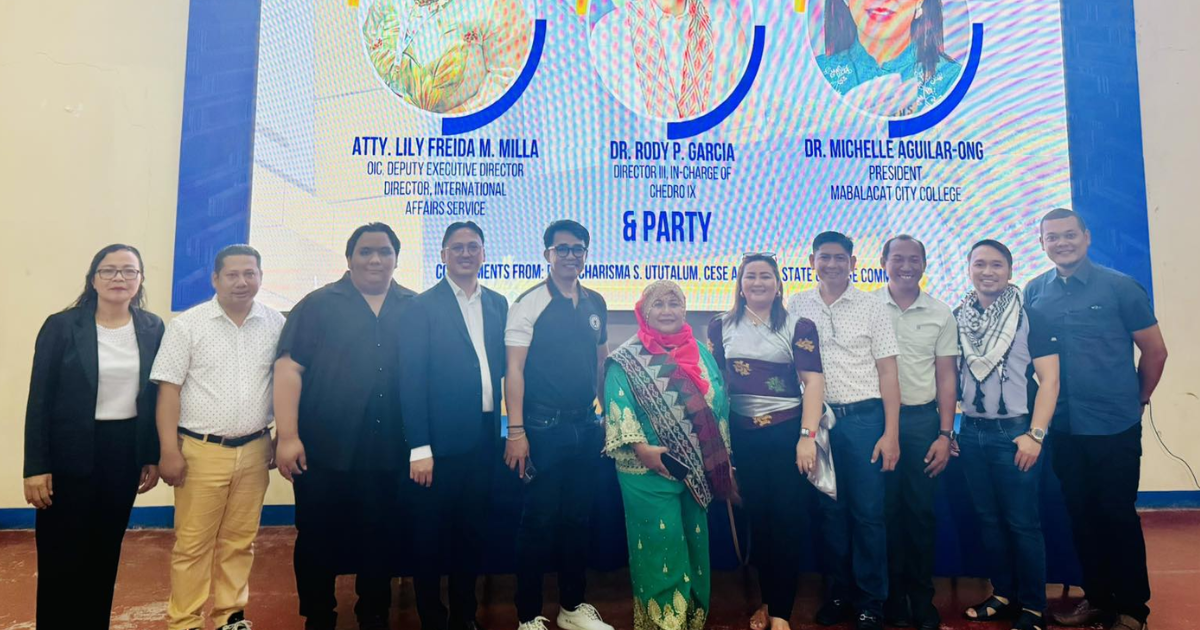
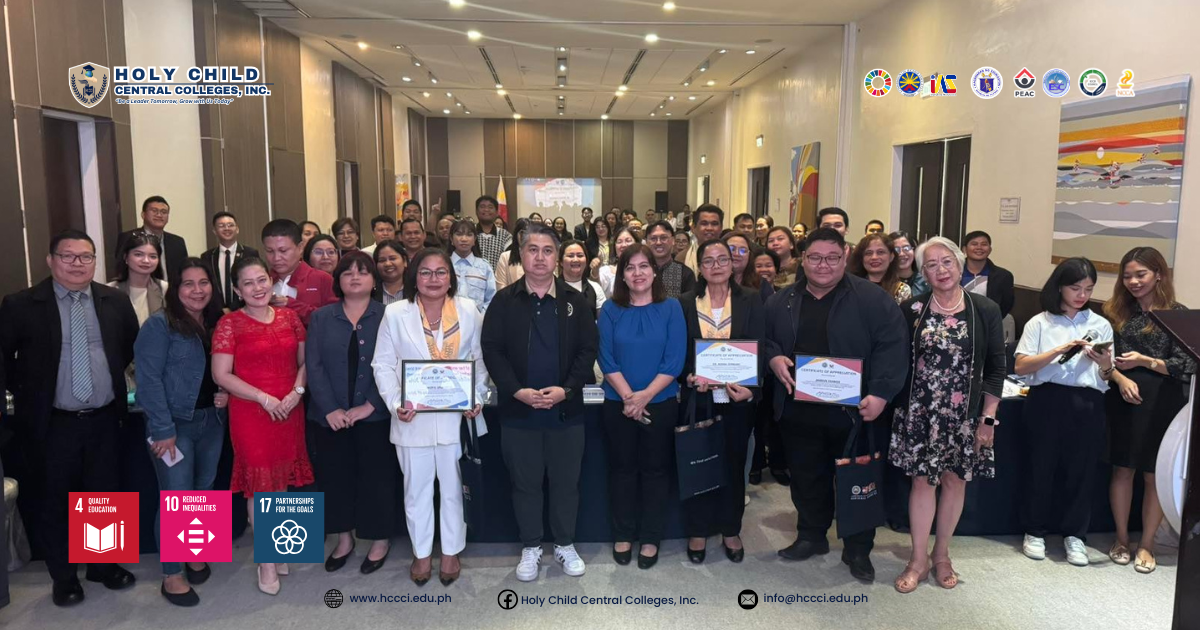
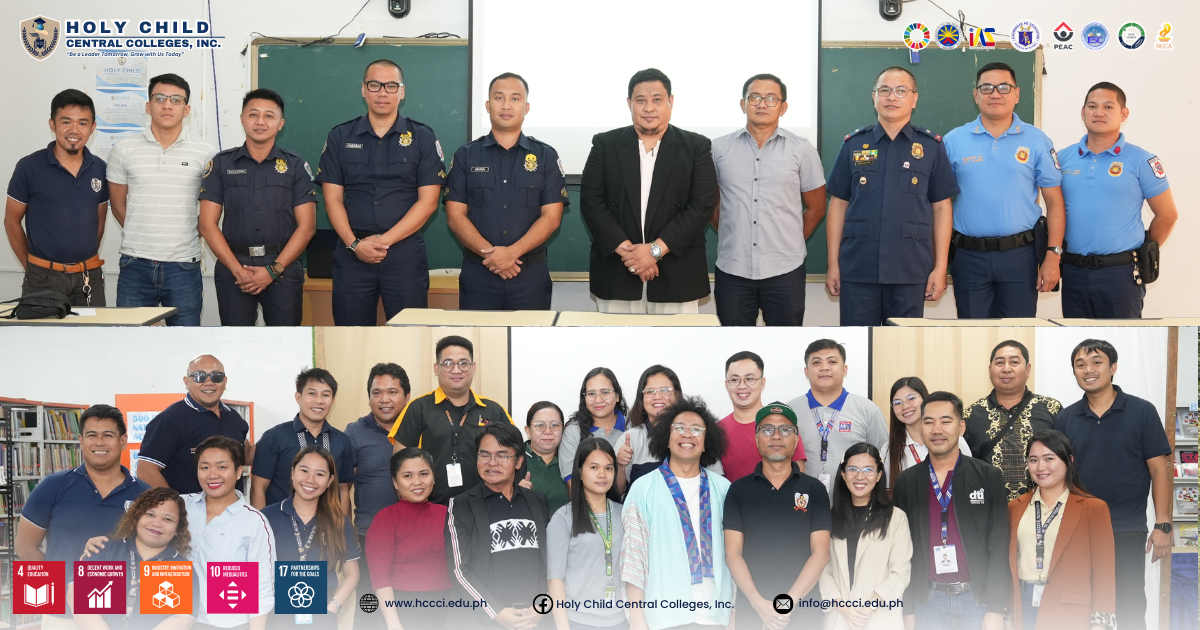
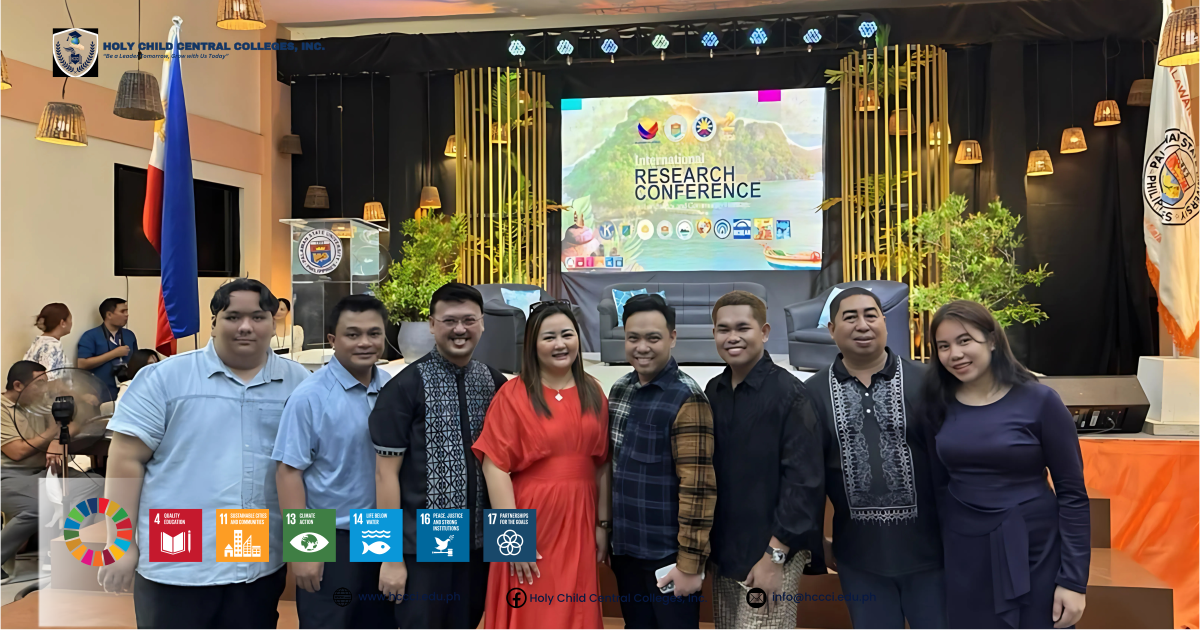
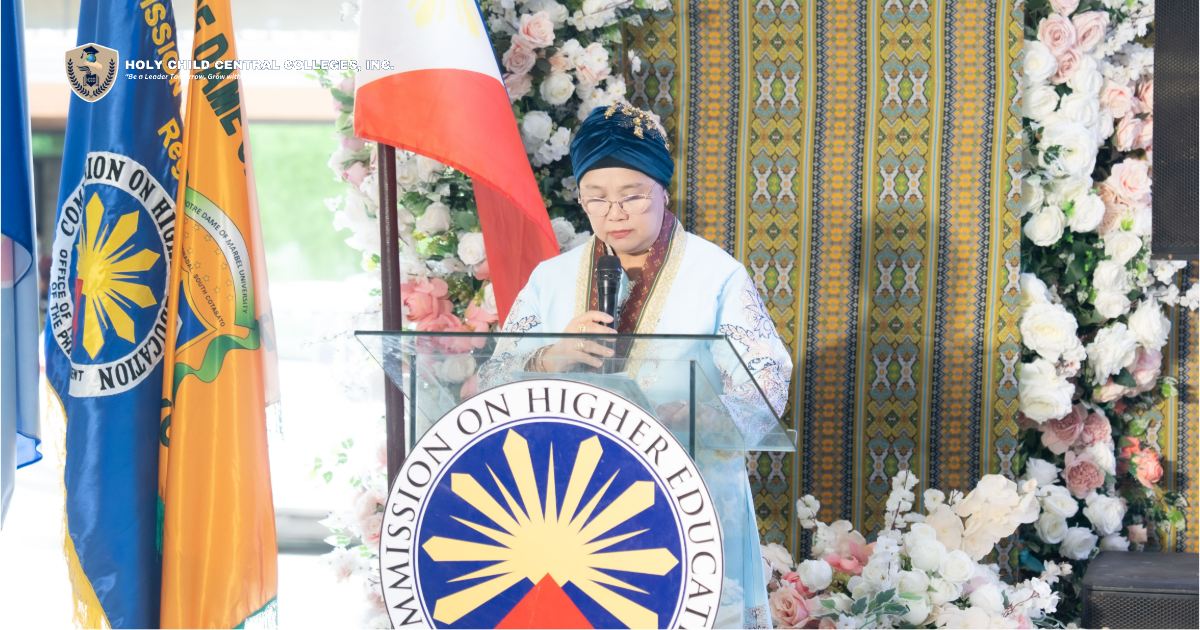
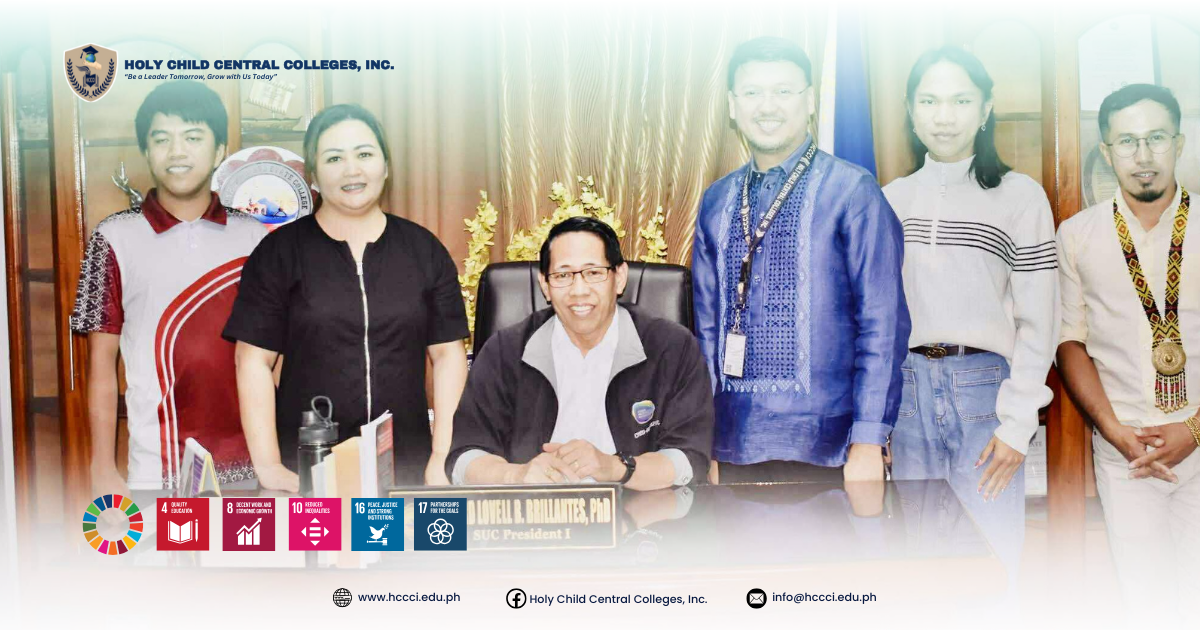
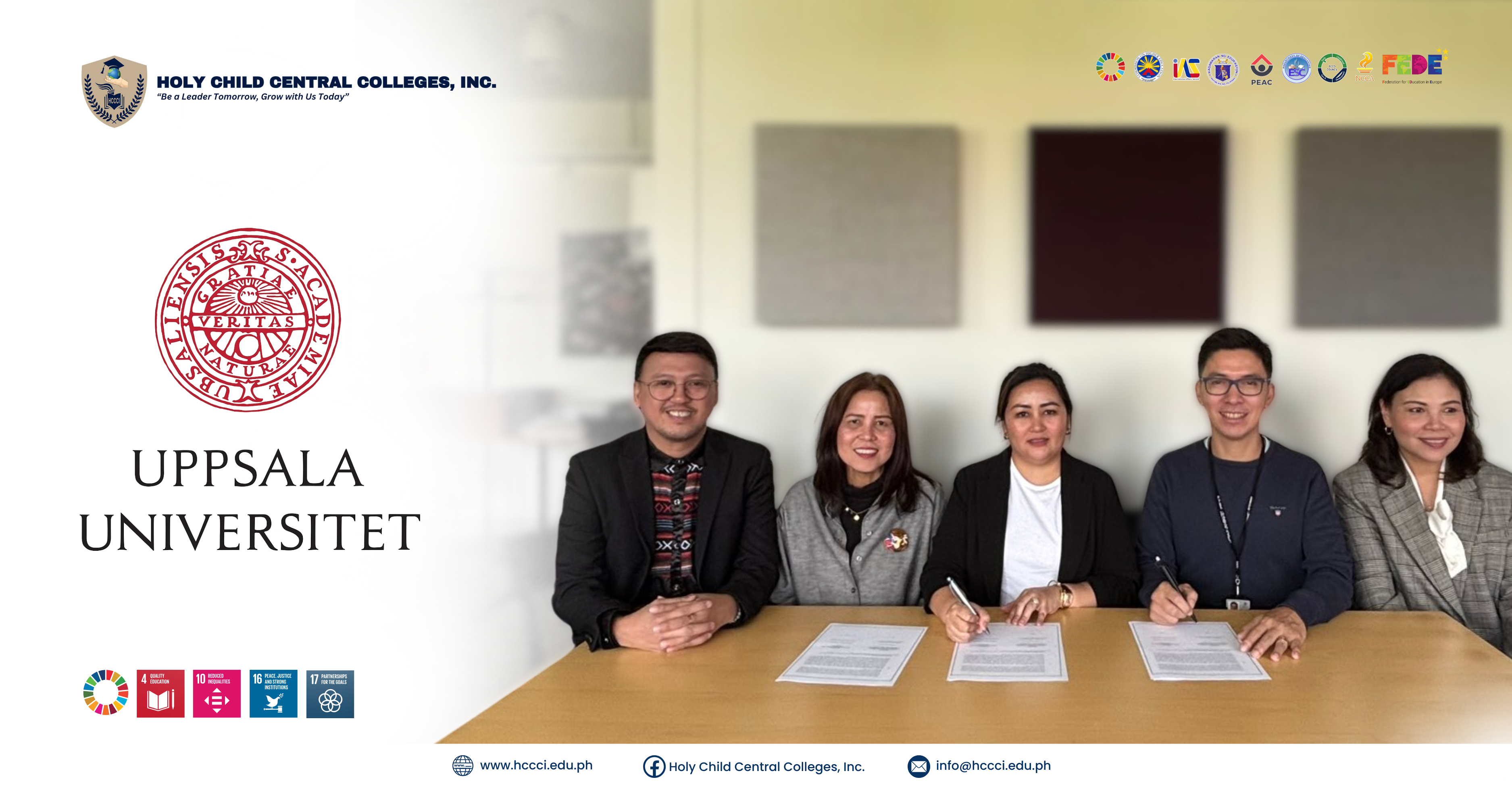
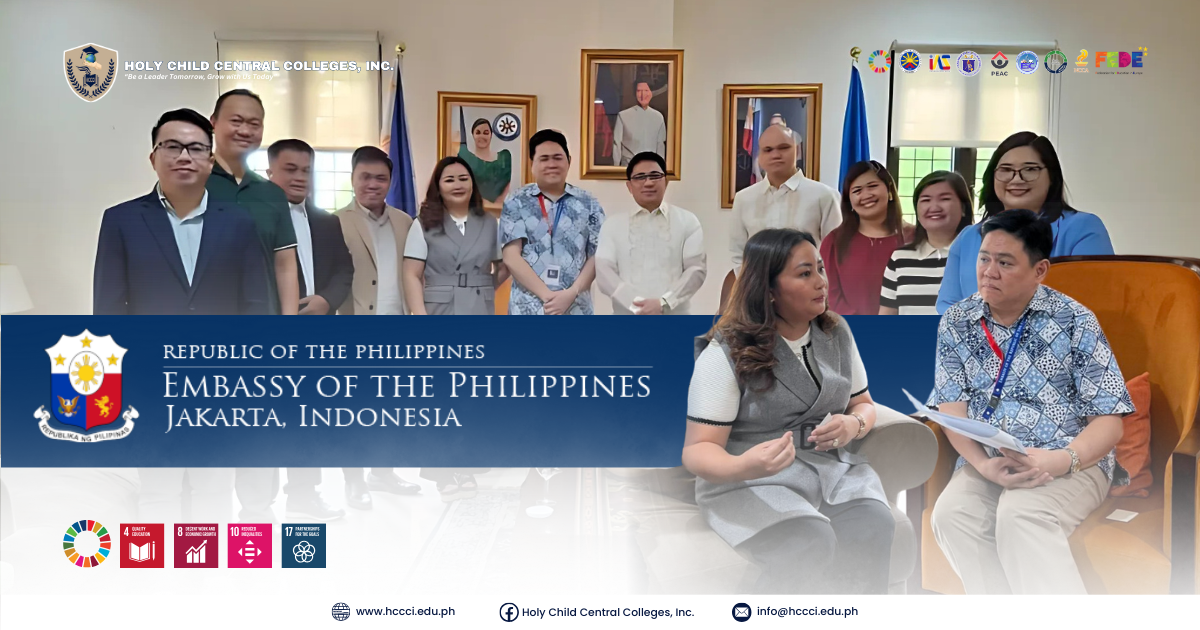
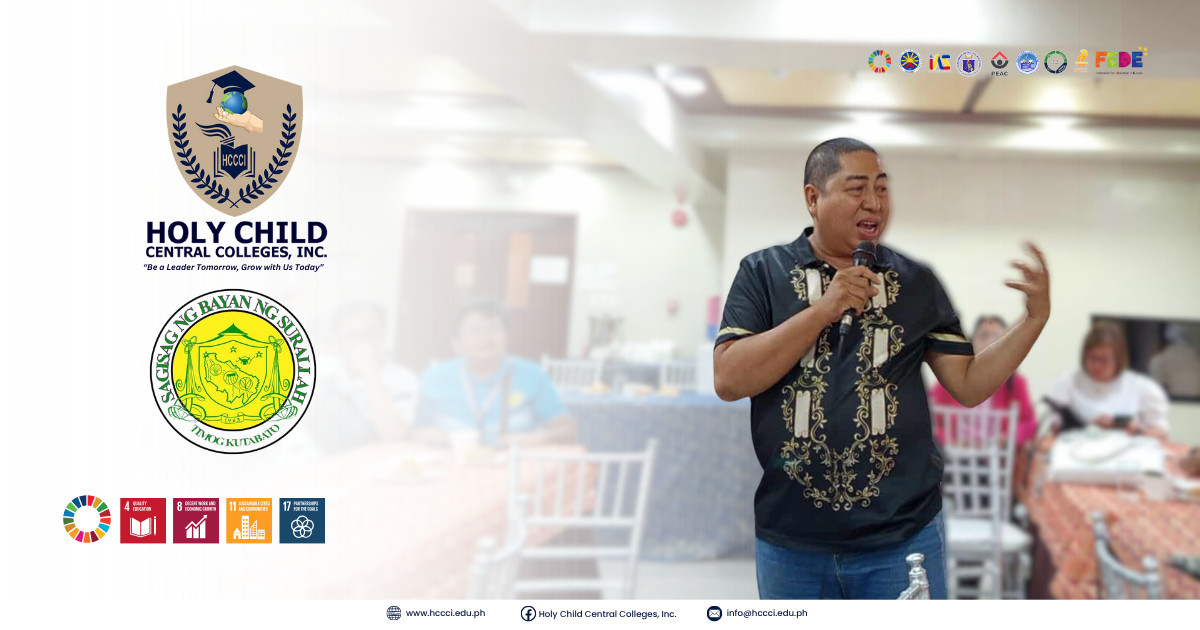
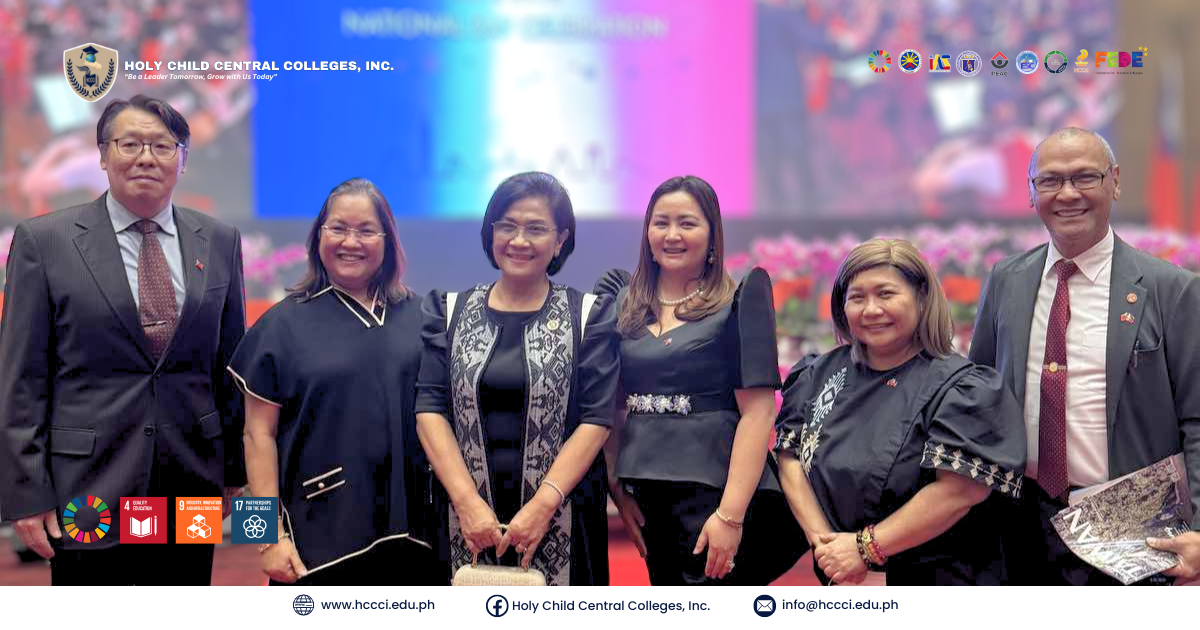
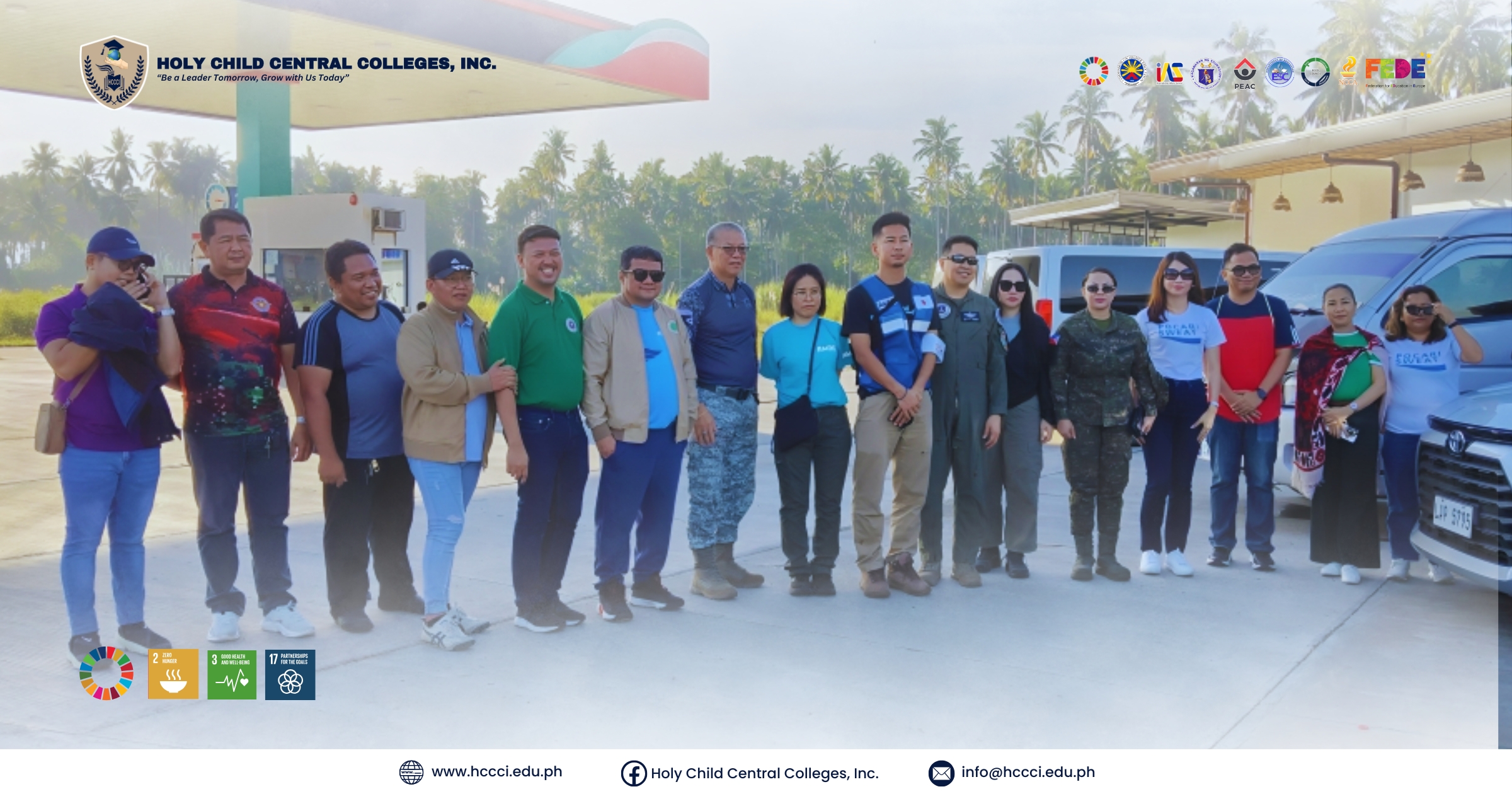
Holy Child Central Colleges, Inc. (HCCCI) actively initiates and participates in cross-sectoral dialogue about the Sustainable Development Goals (SDGs), exemplifying its commitment to SDG 17: Partnerships for the Goals. On July 24, 2024, HCCCI engaged in the iLab Project 2024: Integrating Collaborative Online International Learning (COIL) into the Philippine Educational System, organized by the Commission on Higher Education (CHED) through its International Affairs Service (IAS) at Sulu State College in Jolo, Sulu.
As one of the Higher Education Institutions (HEIs awarded the iLab grant, HCCCI directly contributed to national-level discussions involving government agencies, non-government organizations (NGOs), and higher education institutions. The project served as a platform for sharing experiences, identifying challenges, and developing strategies to integrate technology-enhanced, globally connected learning practices into the Philippine educational system. Through these interactions, HCCCI demonstrated how HEIs can actively participate in conferences and forums that promote cross-sectoral collaboration in support of sustainable education development.
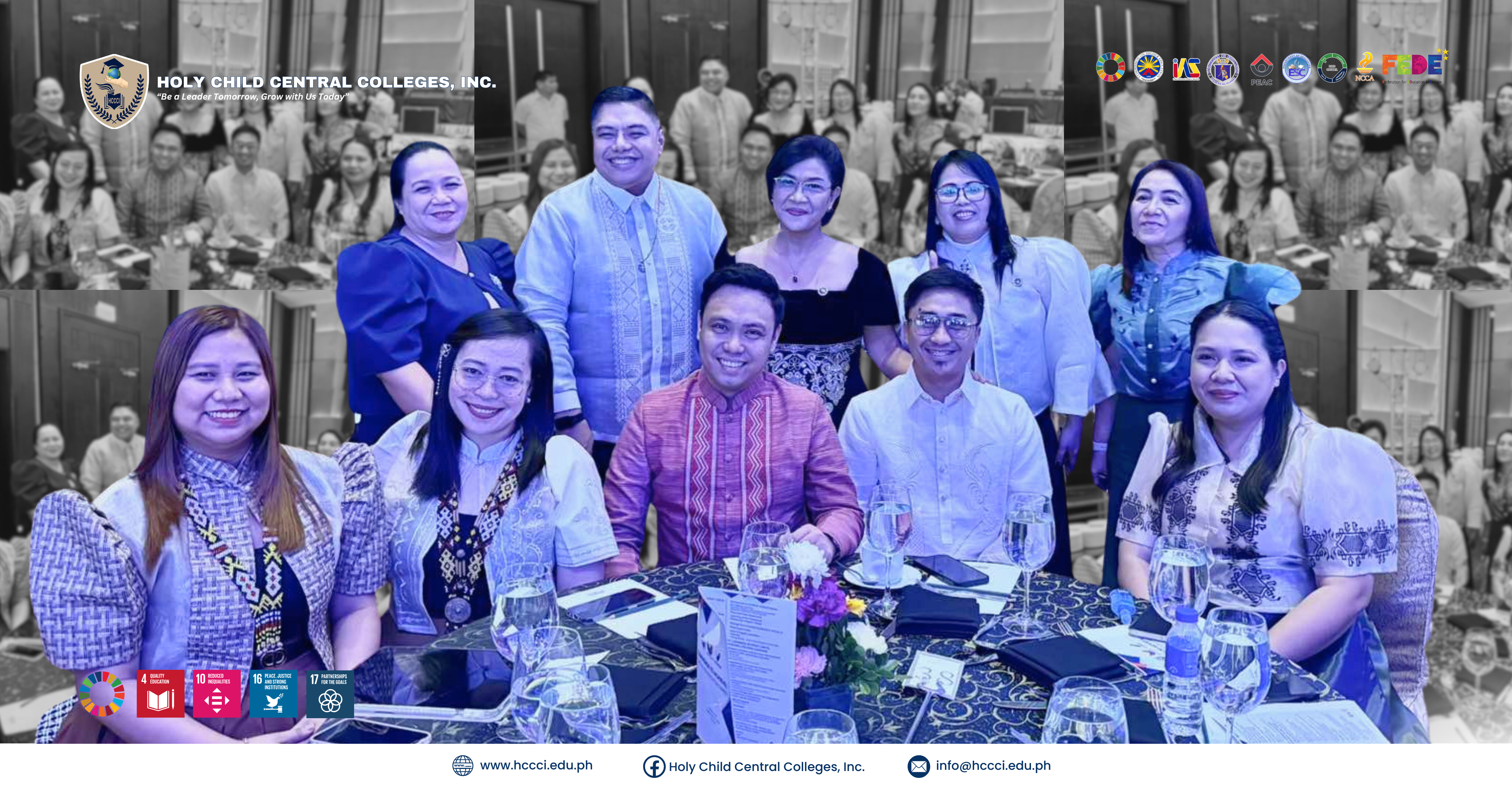
Represented by Ms. Vanessa Marie L. Antiquin, Executive Vice President, HCCCI provided input on SDG-aligned educational strategies with a focus on inclusivity, innovation, and intercultural collaboration. Particular attention was given to programs that support indigenous and underserved communities, ensuring that digital and internationalized learning initiatives reach the most marginalized sectors. HCCCI’s participation strengthened partnerships with government and NGOs, fostering shared learning, adaptive management, and the co-creation of solutions that advance equitable and sustainable education.
By actively initiating and participating in these cross-sectoral dialogues, HCCCI exemplifies how higher education institutions can contribute to national and regional efforts to implement the SDGs, reinforcing its mission to build meaningful partnerships that generate positive social impact. Engagements like the iLab Project 2024 highlight HCCCI’s role as a catalyst for collaboration, innovation, and intercultural learning, ensuring that the college’s initiatives not only enrich its own community but also contribute to the broader Philippine educational landscape.
𝐇𝐨𝐥𝐲 𝐂𝐡𝐢𝐥𝐝 𝐂𝐞𝐧𝐭𝐫𝐚𝐥 𝐂𝐨𝐥𝐥𝐞𝐠𝐞𝐬, 𝐈𝐧𝐜. 𝐀𝐝𝐯𝐚𝐧𝐜𝐞𝐬 𝐒𝐃𝐆 𝐃𝐚𝐭𝐚 𝐂𝐨𝐥𝐥𝐚𝐛𝐨𝐫𝐚𝐭𝐢𝐨𝐧 𝐭𝐡𝐫𝐨𝐮𝐠𝐡 𝐈𝐧𝐭𝐞𝐫𝐧𝐚𝐭𝐢𝐨𝐧𝐚𝐥 𝐌𝐚𝐬𝐭𝐞𝐫𝐜𝐥𝐚𝐬𝐬
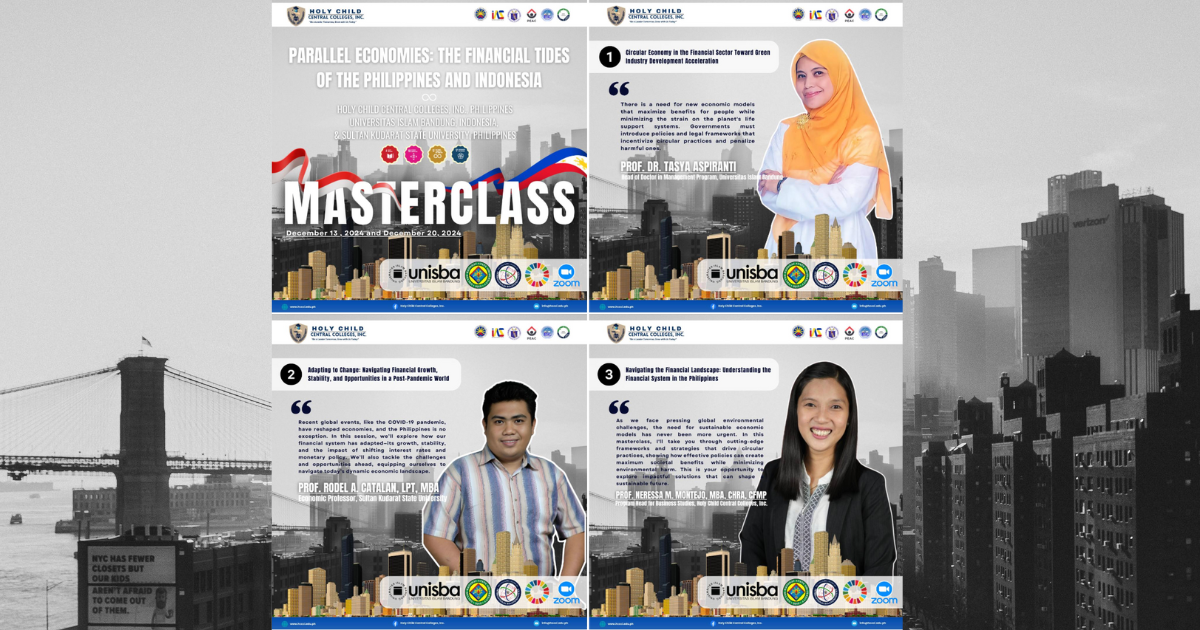
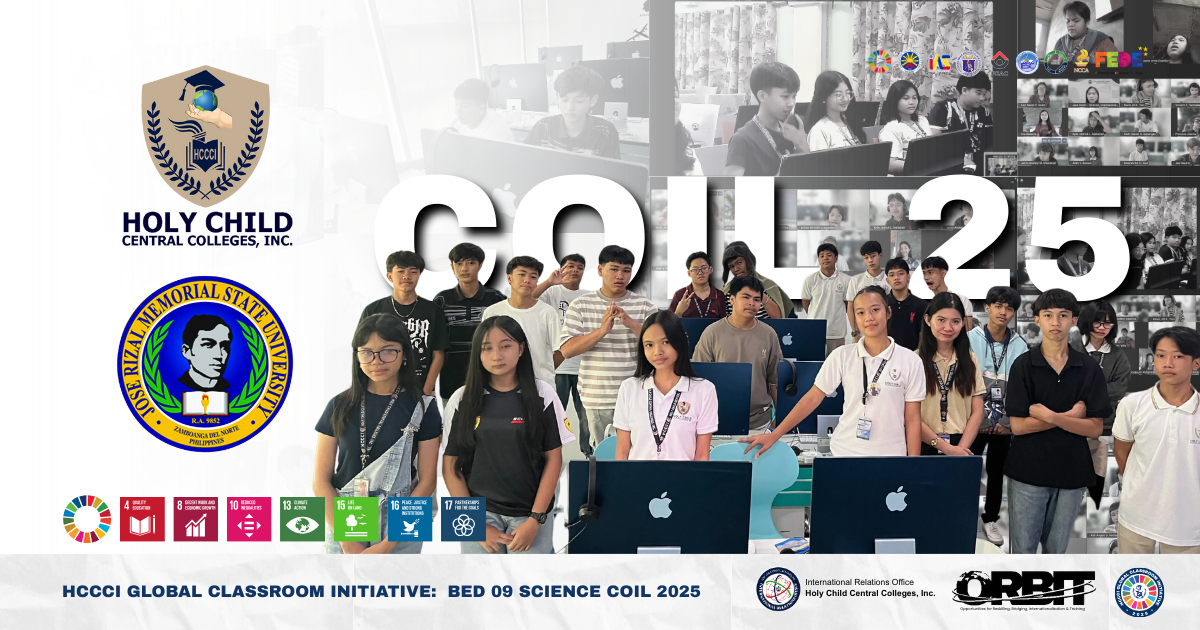
Holy Child Central Colleges, Inc. (HCCCI) actively participates in international collaboration for gathering and analyzing data related to the Sustainable Development Goals (SDGs) through its HCCCI Global Classroom Initiative, under its flagship program, Opportunities for Reskilling, Bridging, Internationalization, and Training (ORBIT). By fostering global academic partnerships, HCCCI ensures that its educational programs contribute not only to learning but also to the generation of evidence-based insights for sustainable development.
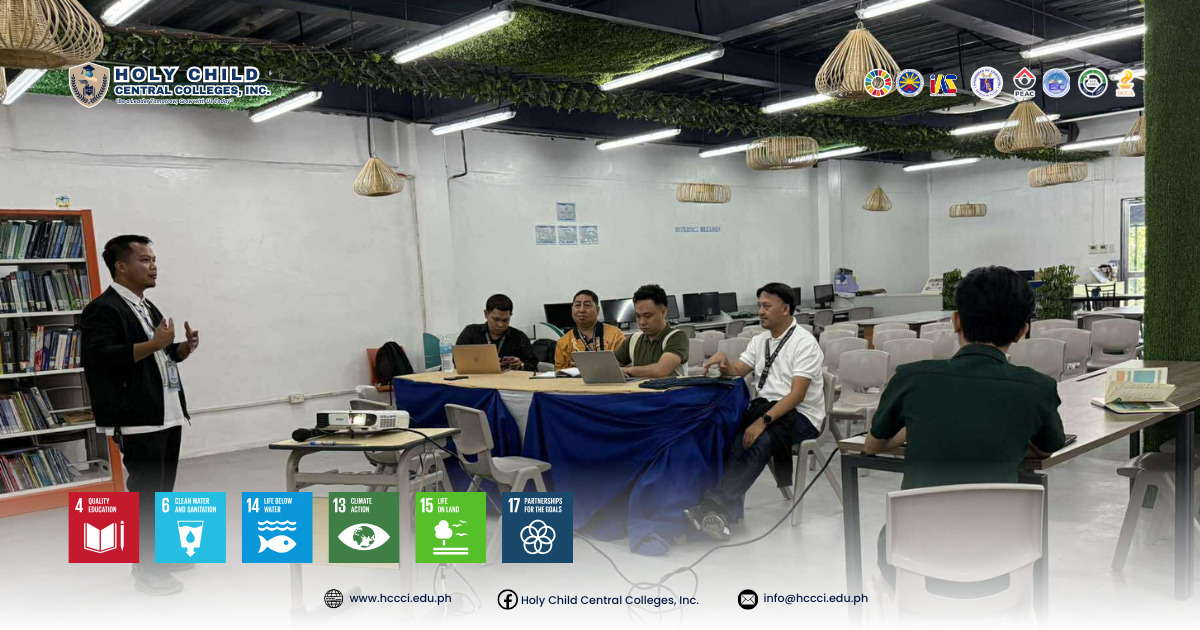
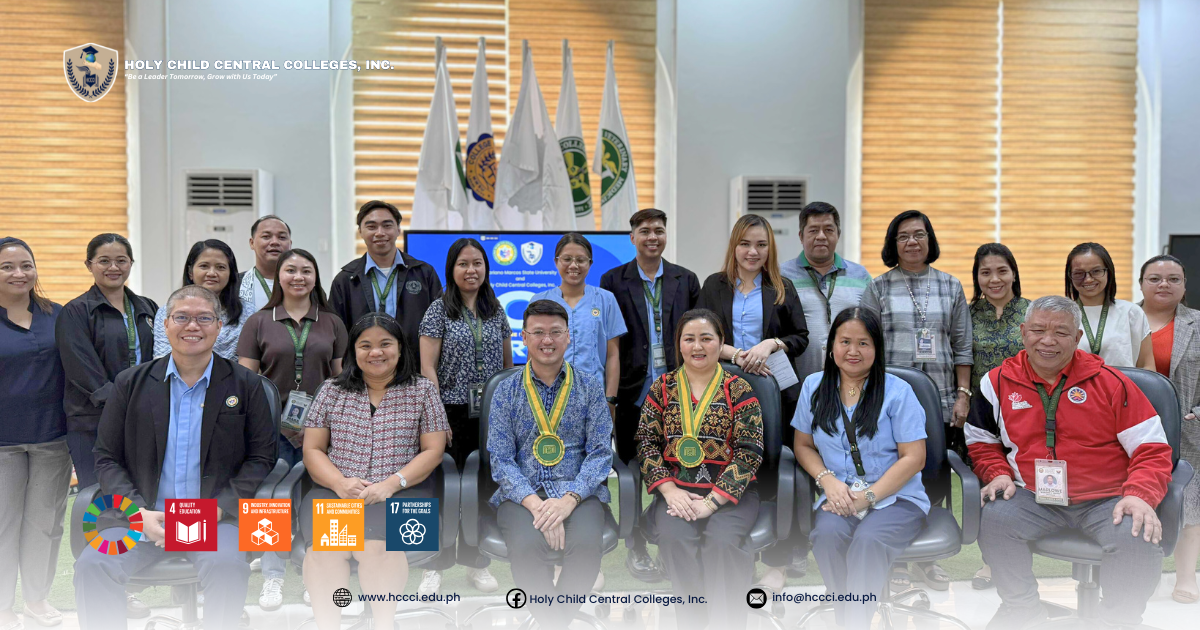
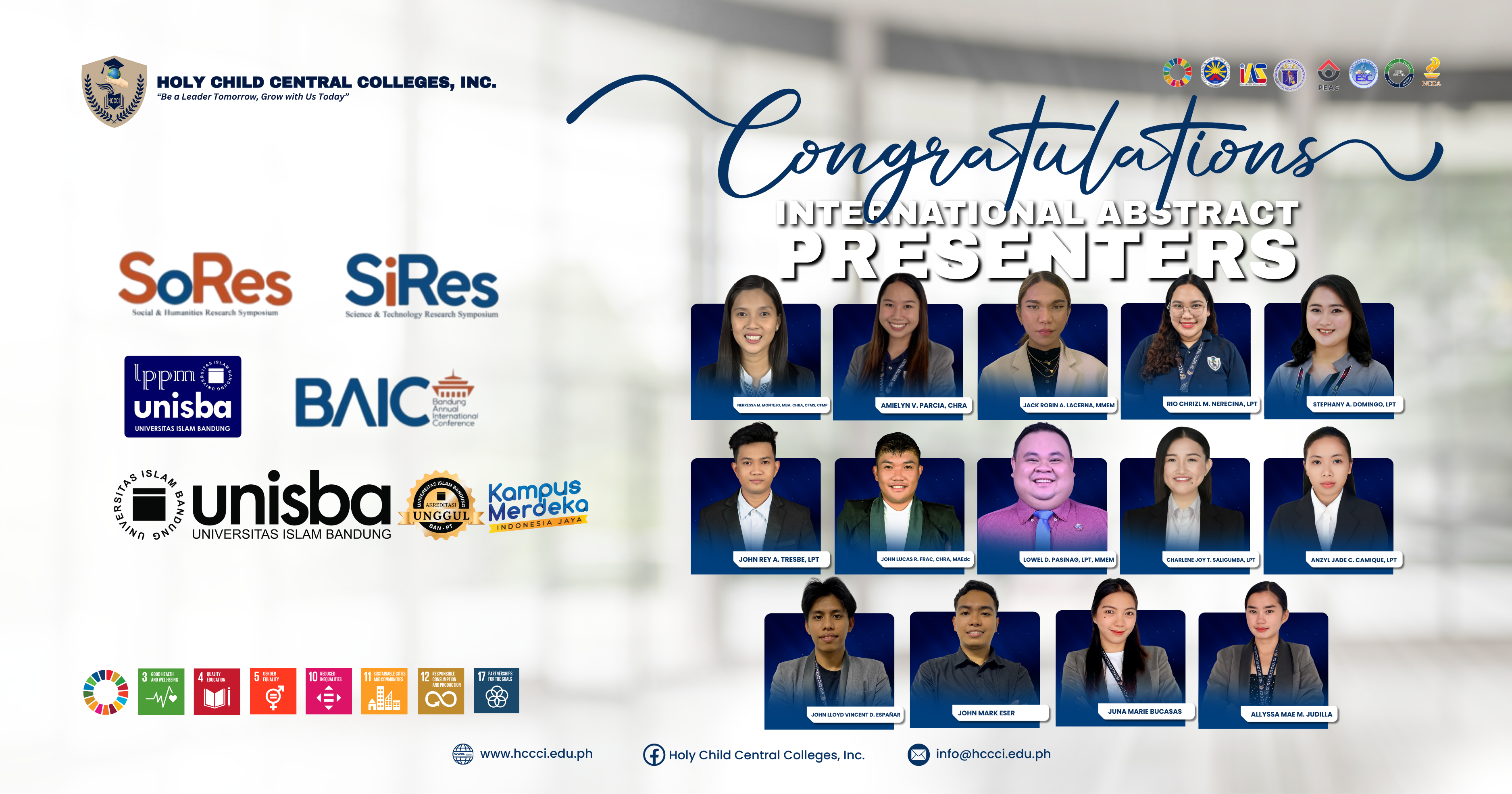
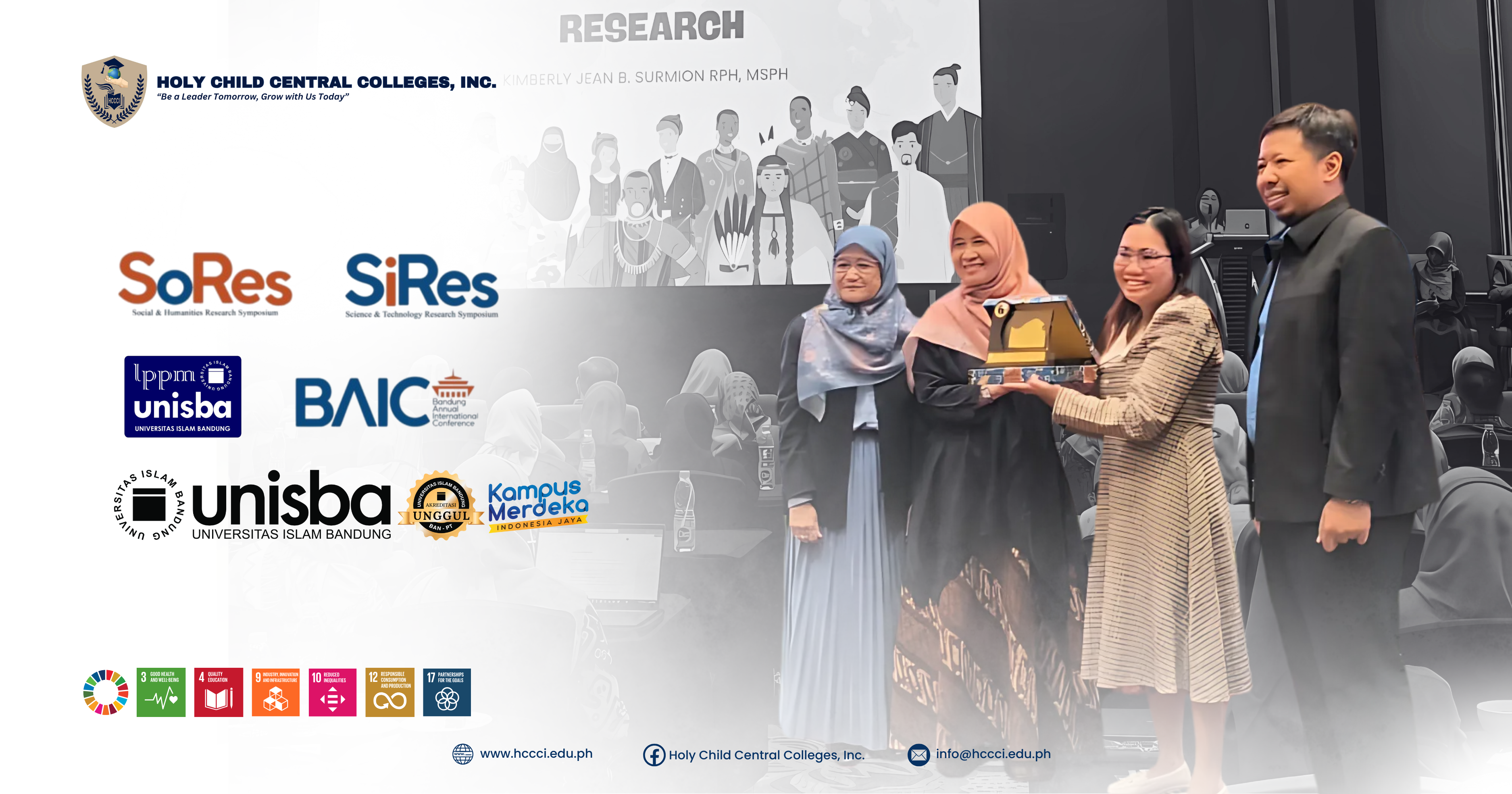
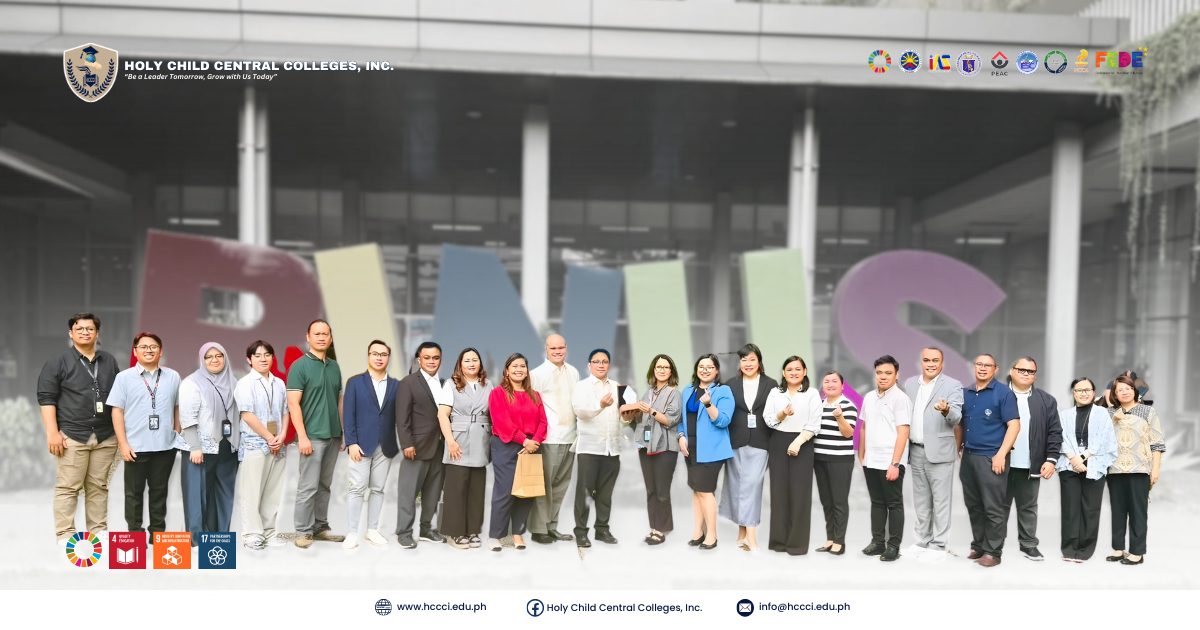
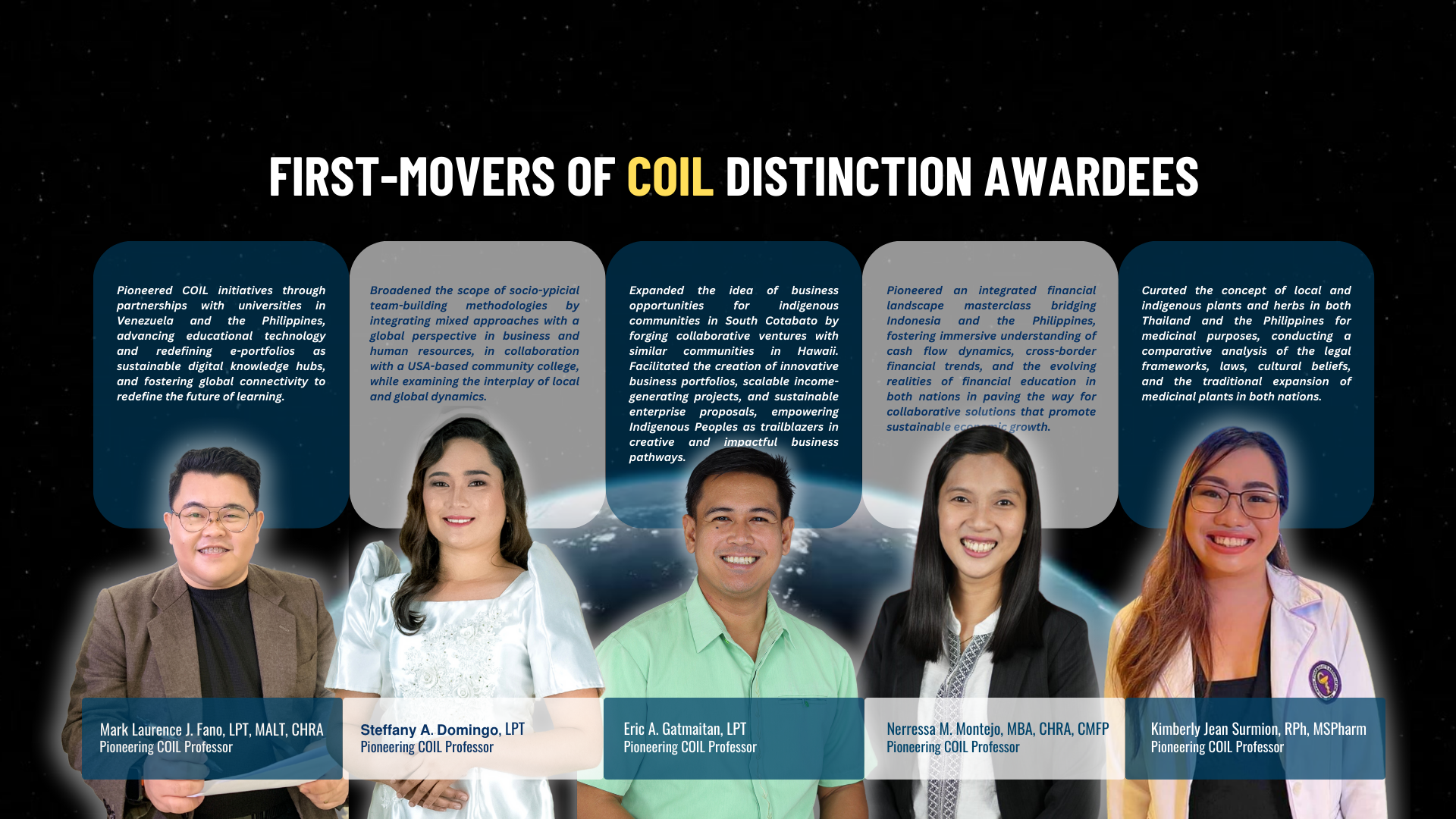
In a landmark collaboration with Universitas Islam Bandung (Indonesia) and Sultan Kudarat State University (Philippines), HCCCI hosted the International Masterclass on “Parallel Economies: The Financial Tides of the Philippines and Indonesia” on December 13 and 20, 2024. The masterclass convened educators, researchers, and students to engage in joint discussions, comparative analyses, and the shared exploration of sustainability data, circular economy practices, and regional financial systems. Universities from both the Philippines and Indonesia actively participated. By examining financial patterns and economic behaviors across national contexts, participants contributed to a deeper understanding of SDG-related trends and metrics.
Through this initiative, HCCCI not only strengthened international collaboration but also actively engaged in data-driven activities that support SDG monitoring and reporting. The masterclass served as a platform for co-creating knowledge, analyzing empirical data, and producing actionable insights, demonstrating how higher education institutions can leverage global partnerships to advance the SDGs.
By integrating research, comparative analysis, and international cooperation, HCCCI exemplifies the role of universities as key actors in global data collection and measurement for sustainable development, reinforcing its commitment to informed decision-making, regional collaboration, and sustainable innovation.
𝐇𝐨𝐥𝐲 𝐂𝐡𝐢𝐥𝐝 𝐂𝐞𝐧𝐭𝐫𝐚𝐥 𝐂𝐨𝐥𝐥𝐞𝐠𝐞𝐬, 𝐈𝐧𝐜. 𝐃𝐞𝐯𝐞𝐥𝐨𝐩𝐬 𝐈𝐧𝐭𝐞𝐫𝐧𝐚𝐭𝐢𝐨𝐧𝐚𝐥 𝐁𝐞𝐬𝐭 𝐏𝐫𝐚𝐜𝐭𝐢𝐜𝐞𝐬 𝐟𝐨𝐫 𝐀𝐝𝐯𝐚𝐧𝐜𝐢𝐧𝐠 𝐒𝐃𝐆𝐬 𝐭𝐡𝐫𝐨𝐮𝐠𝐡 𝐂𝐎𝐈𝐋 𝐂𝐨𝐥𝐥𝐚𝐛𝐨𝐫𝐚𝐭𝐢𝐨𝐧

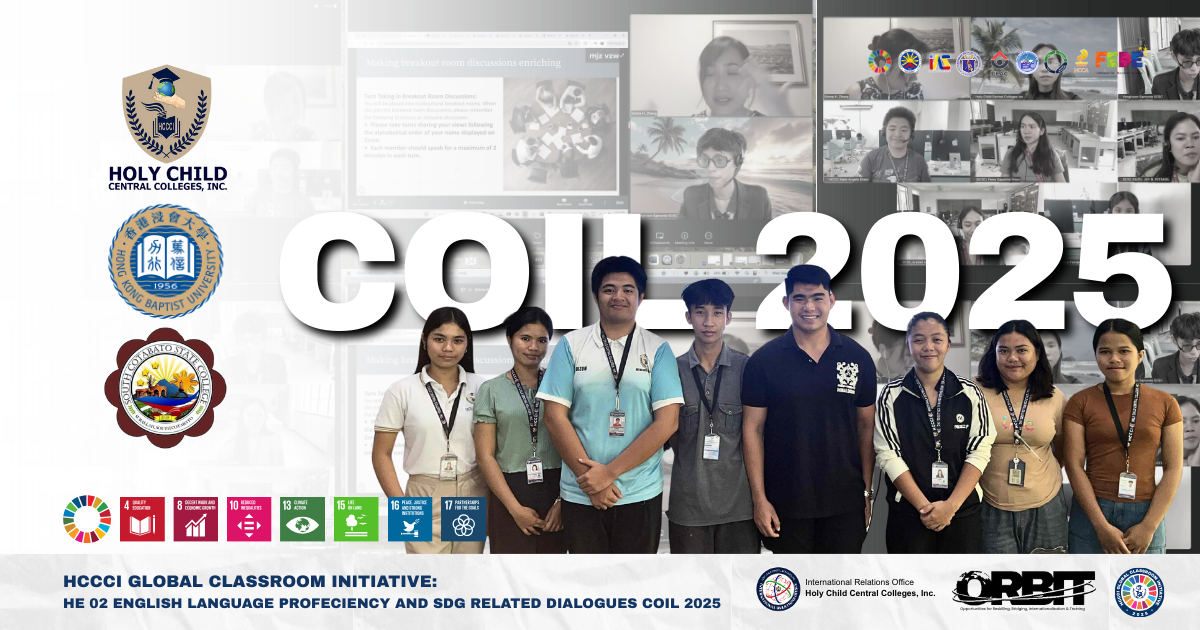
November 22, 2024—Holy Child Central Colleges, Inc. (HCCCI) proudly marks the meaningful completion of its four-week Collaborative Online International Learning (COIL) program with the Community College of Philadelphia (CCP). Running from October 25 to November 22, 2024, the initiative, HR FUSION: Crafting Teams, Cultivating Leaders, provided a dynamic platform for students to explore leadership and teamwork through a global lens—an essential skill in navigating today’s rapidly evolving workforce.
In an era defined by digital collaboration, multicultural environments, and shifting workplace expectations, understanding cross-cultural team dynamics is no longer optional—it is essential. This COIL program enabled students to compare leadership approaches and teamwork practices between the Philippines and the United States, gaining firsthand insights into how cultural values, communication patterns, decision-making styles, and workplace attitudes influence team-building and leadership.
A central feature of the program was students’ co-created infographics, which reflected not only academic learning but also a deeper appreciation of how leadership is shaped by context, culture, and shared human experiences. Through open discussions and collaboration, students developed skills in navigating differences with respect and curiosity, preparing them for diverse global work environments.
The program strongly advances sustainable and inclusive education. By nurturing cross-cultural competencies, global awareness, and digital collaboration skills, it contributes to SDG 4: Quality Education, while the international partnership exemplifies SDG 17: Partnerships for the Goals, highlighting the value of cross-border educational cooperation. The focus on leadership and workforce readiness also intersects with SDG 8: Decent Work and Economic Growth, emphasizing adaptable, culturally sensitive, and ethical leadership.
Much of the program’s success is credited to Prof. Stephany A. Domingo of HCCCI and Dr. Gayathri Banavara of CCP, whose transparent facilitation, compassionate guidance, and structured approach ensured meaningful engagement while fostering accountability to program goals.
Over the four weeks, students collaborated virtually across time zones, exploring Filipino teamwork values of community and shared responsibility, while CCP students shared American practices emphasizing autonomy, innovation, and structure. This exchange allowed students to appreciate different leadership traditions without losing sight of their own cultural identities.
By engaging in structured international dialogue, comparative analysis, and co-created outputs, HCCCI integrates global insights into its educational frameworks, refining strategies, aligning initiatives with international standards, and strengthening contributions to the SDGs. Programs like HR FUSION illustrate what sustainable education looks like: collaborative, culturally grounded, relevant, and future-focused.
With this successful partnership, HCCCI remains committed to expanding COIL initiatives, providing students opportunities to learn beyond borders and grow as leaders who embrace diversity, innovation, and global responsibility, championing sustainability and the transformative power of education.
𝐇𝐨𝐥𝐲 𝐂𝐡𝐢𝐥𝐝 𝐂𝐞𝐧𝐭𝐫𝐚𝐥 𝐂𝐨𝐥𝐥𝐞𝐠𝐞𝐬, 𝐈𝐧𝐜. 𝐂𝐨𝐥𝐥𝐚𝐛𝐨𝐫𝐚𝐭𝐞𝐬 𝐰𝐢𝐭𝐡 𝐍𝐆𝐎𝐬 𝐭𝐨 𝐀𝐝𝐯𝐚𝐧𝐜𝐞 𝐒𝐃𝐆𝐬 𝐭𝐡𝐫𝐨𝐮𝐠𝐡 𝐂𝐨𝐦𝐦𝐮𝐧𝐢𝐭𝐲 𝐎𝐮𝐭𝐫𝐞𝐚𝐜𝐡
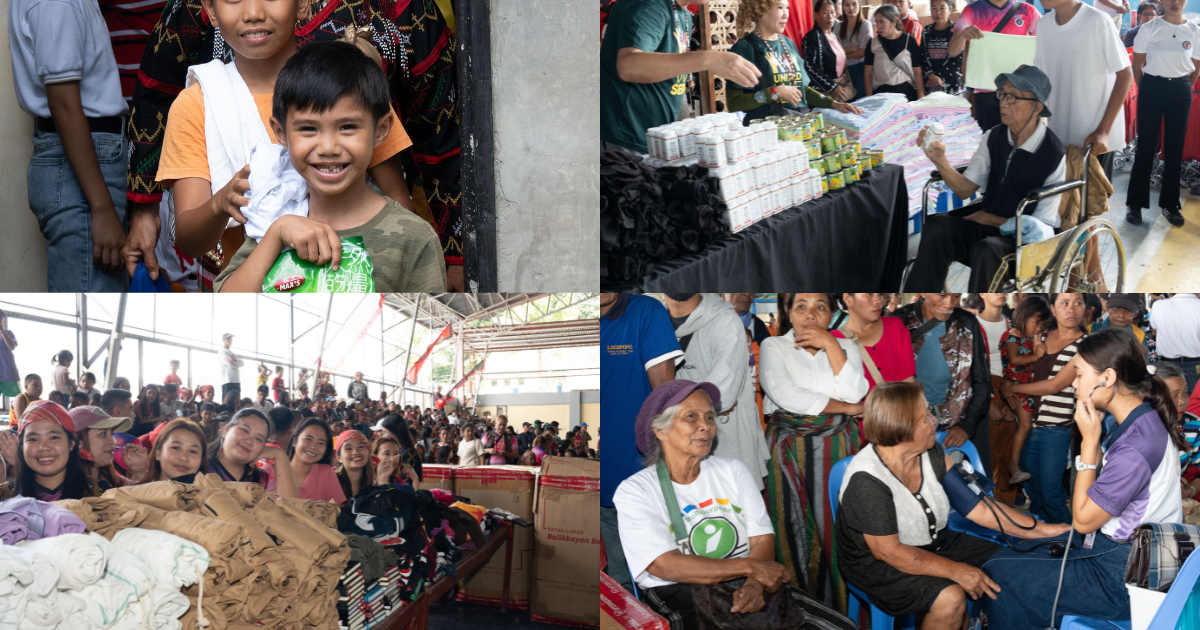
Holy Child Central Colleges, Inc. (HCCCI) actively collaborates with non-governmental organizations (NGOs) to tackle the Sustainable Development Goals (SDGs), with a strong emphasis on student volunteering programs that integrate community service, experiential learning, and sustainable development advocacy. These collaborations enable students to apply their academic knowledge in real-world contexts, while contributing meaningfully to community well-being and inclusive development.
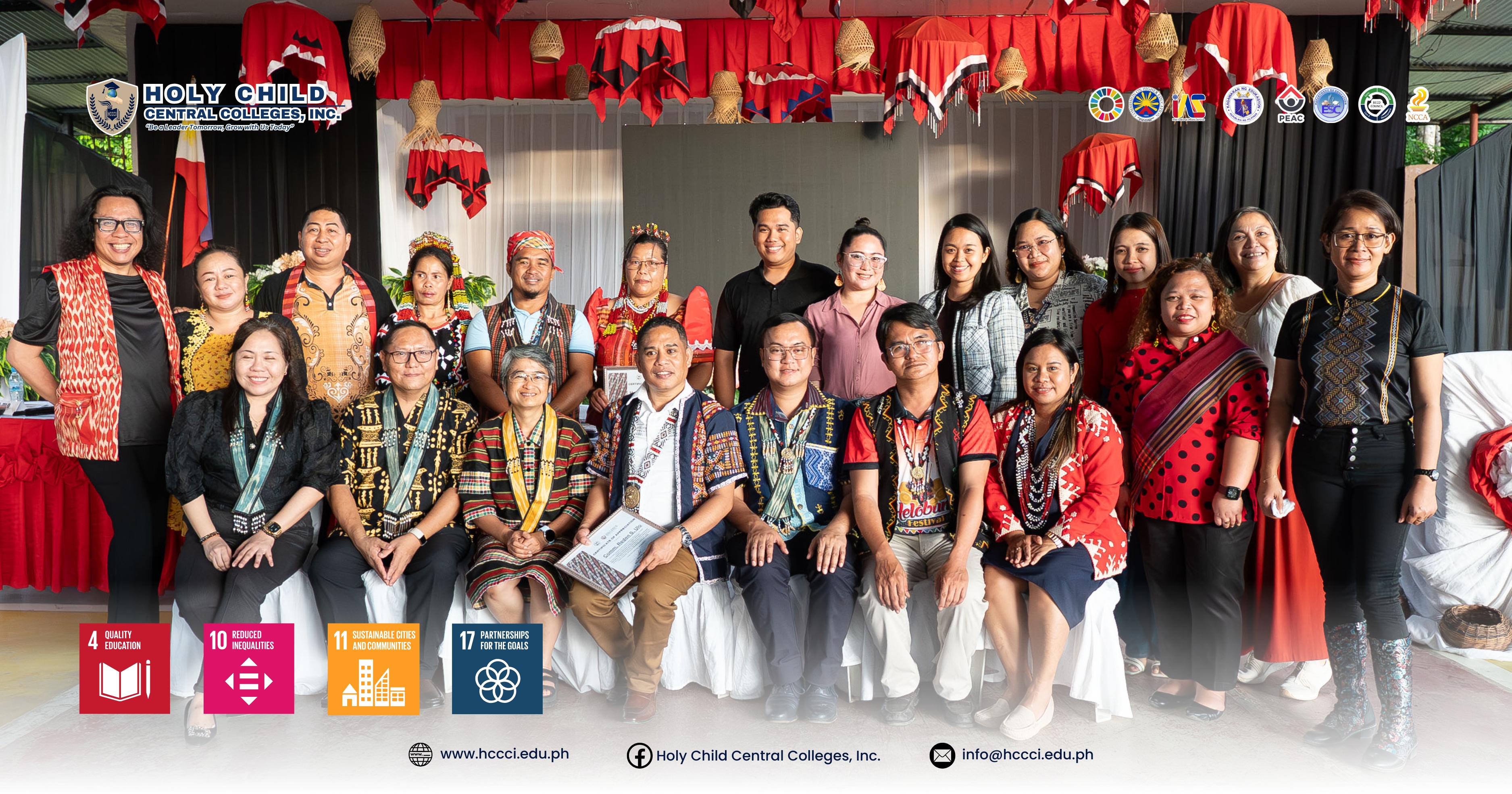
In 2024, HCCCI partnered with the Lions Club of Singapore Paterson, an international NGO, to implement a five-day student volunteer outreach mission in Lake Sebu and T’boli, entitled Bridges of Love and Kindness. Through this partnership, the university mobilized student volunteers—alongside faculty and staff—to support SDG 3 (Good Health and Well-being), SDG 10 (Reduced Inequalities), and SDG 17 (Partnerships for the Goals).
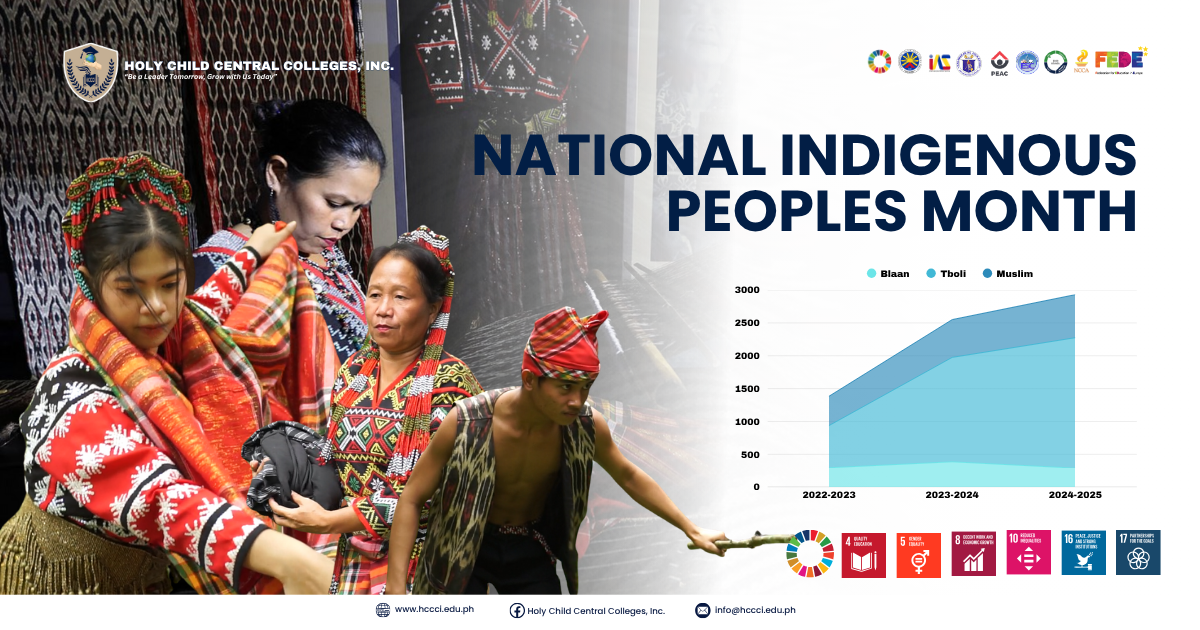
During the mission, student volunteers played a central role in assisting medical services, organizing the distribution of food and hygiene kits, and facilitating children’s welfare and educational activities. Their participation contributed directly to improving access to essential services among Indigenous communities while strengthening their own skills in leadership, empathy, and intercultural understanding.
Beyond the immediate services delivered, the program fostered transformative learning experiences for student volunteers. They engaged in cultural exchange with local communities, learned about grassroots challenges, and witnessed how collaborative action between higher education institutions and NGOs can strengthen community resilience.
Through sustained NGO partnerships and a strong commitment to student volunteer engagement, HCCCI demonstrates its dedication to advancing the SDGs. By integrating volunteerism, community-based learning, and cross-sectoral collaboration, the university continues to build impactful initiatives that promote health, equity, and global partnership while shaping students into socially responsible and globally conscious leaders.
𝐇𝐂𝐂𝐂𝐈 𝐈𝐦𝐩𝐥𝐞𝐦𝐞𝐧𝐭𝐬 𝐃𝐞𝐝𝐢𝐜𝐚𝐭𝐞𝐝 𝐂𝐨𝐮𝐫𝐬𝐞𝐬 𝐈𝐧𝐭𝐞𝐠𝐫𝐚𝐭𝐢𝐧𝐠 𝐒𝐮𝐬𝐭𝐚𝐢𝐧𝐚𝐛𝐢𝐥𝐢𝐭𝐲 𝐚𝐧𝐝 𝐭𝐡𝐞 𝐒𝐮𝐬𝐭𝐚𝐢𝐧𝐚𝐛𝐥𝐞 𝐃𝐞𝐯𝐞𝐥𝐨𝐩𝐦𝐞𝐧𝐭 𝐆𝐨𝐚𝐥𝐬 (𝐒𝐃𝐆𝐬) 𝐀𝐜𝐫𝐨𝐬𝐬 𝐀𝐜𝐚𝐝𝐞𝐦𝐢𝐜 𝐏𝐫𝐨𝐠𝐫𝐚𝐦𝐬
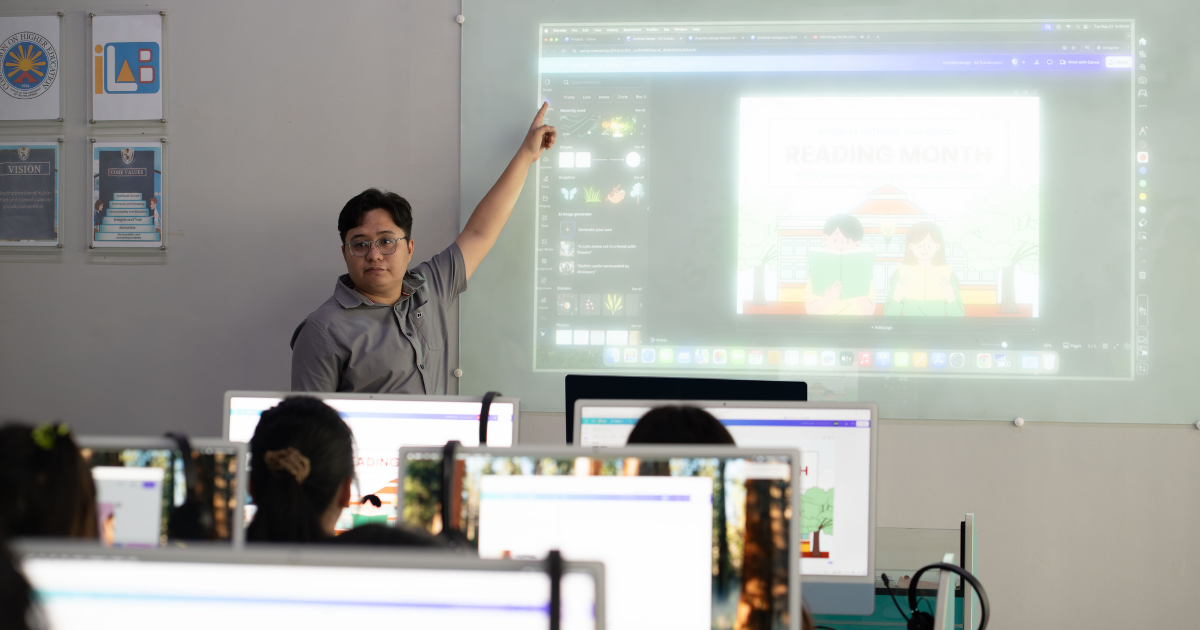
HCCCI Implements Dedicated Courses Integrating Sustainability and the Sustainable Development Goals (SDGs) Across Academic Programs
Holy Child Central Colleges, Inc. (HCCCI) offers courses and academic programs that formally integrate sustainability and the Sustainable Development Goals (SDGs), ensuring that students acquire a comprehensive understanding of global development frameworks as they relate to their respective disciplines. Across all departments, course syllabi explicitly identify the SDGs addressed, specifying how these goals are embedded in the intended learning outcomes, course content, assessment strategies, and reflective learning requirements.
This structured integration affirms that sustainability is not approached as an auxiliary topic but as a fundamental component of the academic formation of all learners. Students from various fields—including business, education, health sciences, information technology, and the arts—engage with SDG-related themes such as environmental stewardship, social justice, economic resilience, community development, and international cooperation. Through core subjects, electives, and program-specific specialization courses, learners examine contemporary issues and develop competencies aligned with sustainable development.
HCCCI’s consistent incorporation of the SDGs within its curricular design reflects the institution’s broader commitment to producing graduates who are globally informed, socially responsible, and equipped to contribute to sustainable and inclusive progress. By ensuring that sustainability and the SDGs are intentionally articulated, pedagogically embedded, and academically reinforced, the institution strengthens its role in advancing quality education and responding to the complex challenges of an interconnected global society.
Yes. Holy Child Central Colleges, Inc. (HCCCI) demonstrates a clear and measurable commitment to providing meaningful SDG-focused education that is relevant, accessible, and applicable to all students across the institution. This commitment is reflected in the HCCCI Annual Report for 2024, which recorded 3,245 internationalization experiences—a number that exceeds the school’s total student population. This achievement highlights the widespread and repeated engagement of learners in academic, cultural, and research-based activities rooted in sustainability and global awareness.
Through flagship initiatives such as ORBIT (Opportunities for Reskilling, Bridging, Internationalization, and Training) and the HCCCI Adult Learning Institute, the university integrates SDG principles into both formal and non-formal learning pathways. These programs ensure that students from all academic departments participate in SDG-related curriculum content, intercultural dialogues, global classroom collaborations, community outreach, and leadership development activities.
This institution-wide approach guarantees that SDG education is not limited to a specific program or discipline but is embedded across the entire student experience. Whether through COIL engagements, volunteer programs, service-learning, or research-based tasks, students develop practical competencies in sustainability, global citizenship, digital collaboration, community responsibility, and cultural sensitivity.
By embedding SDG-aligned learning into its academic culture and ensuring that every student gains exposure to global and community-based initiatives, HCCCI affirms its strong commitment to shaping learners who are prepared to contribute meaningfully to sustainable development at local, national, and international levels.
𝐇𝐂𝐂𝐂𝐈 𝐄𝐧𝐠𝐚𝐠𝐞𝐬 𝐭𝐡𝐞 𝐖𝐢𝐝𝐞𝐫 𝐂𝐨𝐦𝐦𝐮𝐧𝐢𝐭𝐲 𝐢𝐧 𝐋𝐞𝐚𝐫𝐧𝐢𝐧𝐠 𝐓𝐡𝐫𝐨𝐮𝐠𝐡 𝐃𝐞𝐝𝐢𝐜𝐚𝐭𝐞𝐝 𝐒𝐭𝐮𝐝𝐞𝐧𝐭 𝐕𝐨𝐥𝐮𝐧𝐭𝐞𝐞𝐫 𝐎𝐮𝐭𝐫𝐞𝐚𝐜𝐡 𝐏𝐫𝐨𝐠𝐫𝐚𝐦𝐬 𝐢𝐧 𝐏𝐚𝐫𝐭𝐧𝐞𝐫𝐬𝐡𝐢𝐩 𝐰𝐢𝐭𝐡 𝐁𝐨𝐨𝐤 𝐍𝐨𝐨𝐤 𝐒𝐮𝐫𝐚𝐥𝐥𝐚𝐡
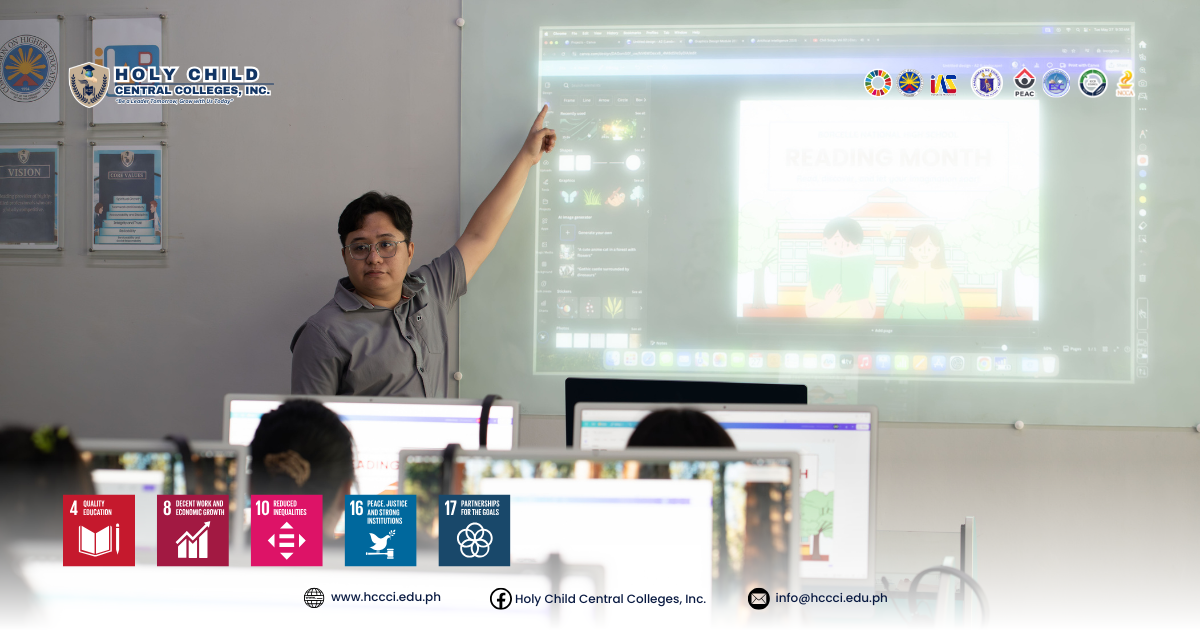
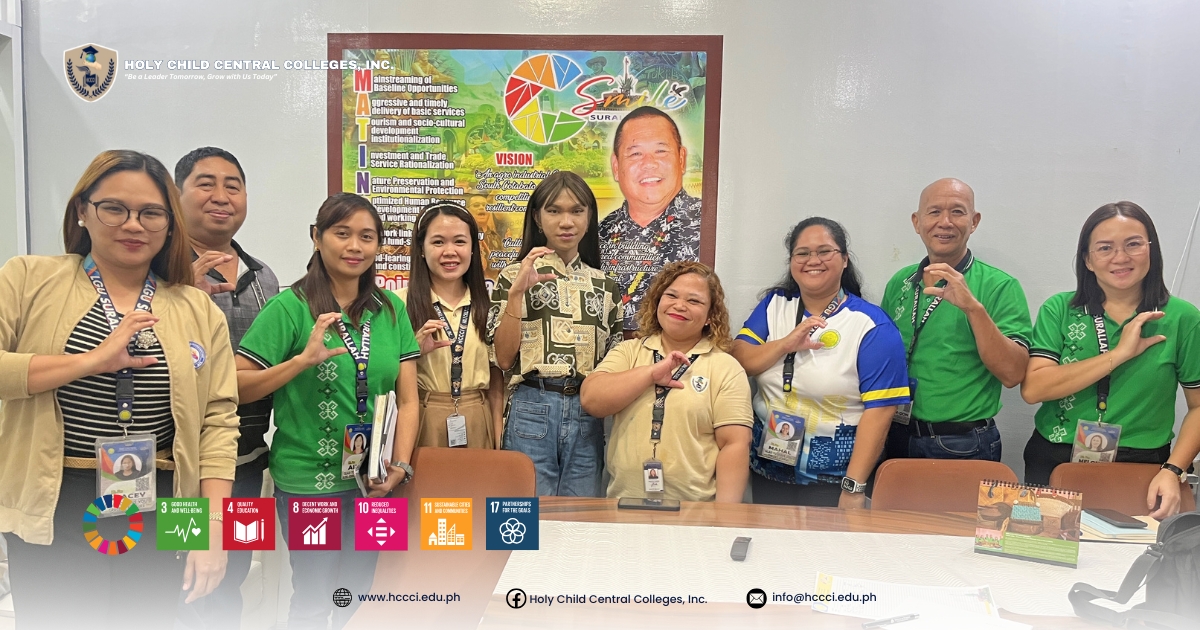
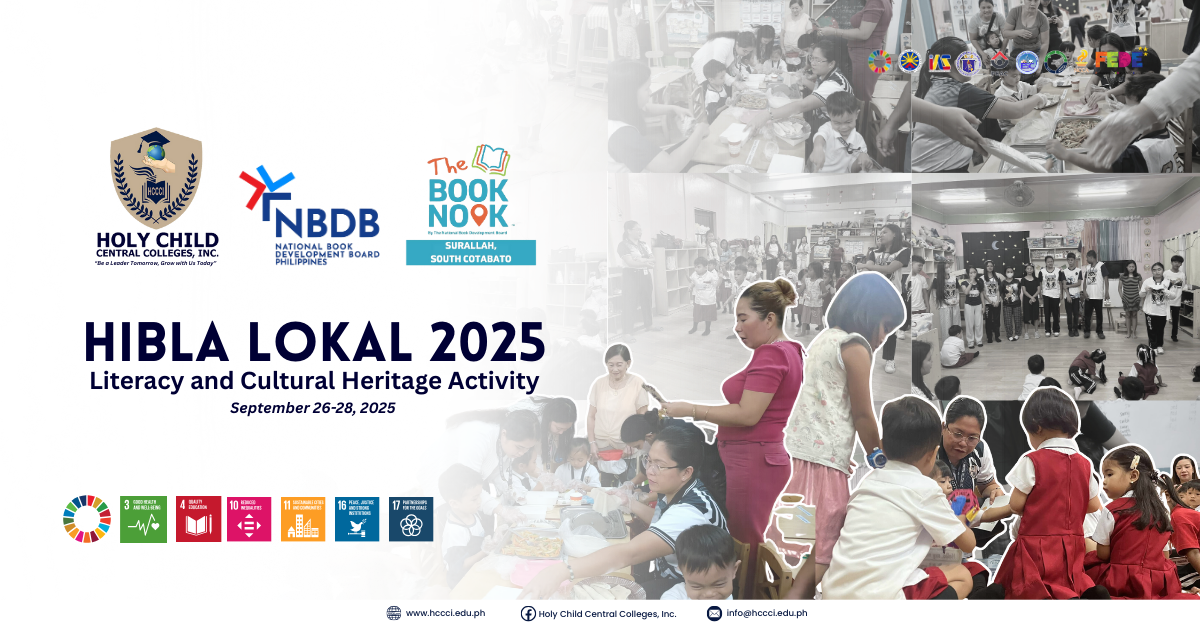
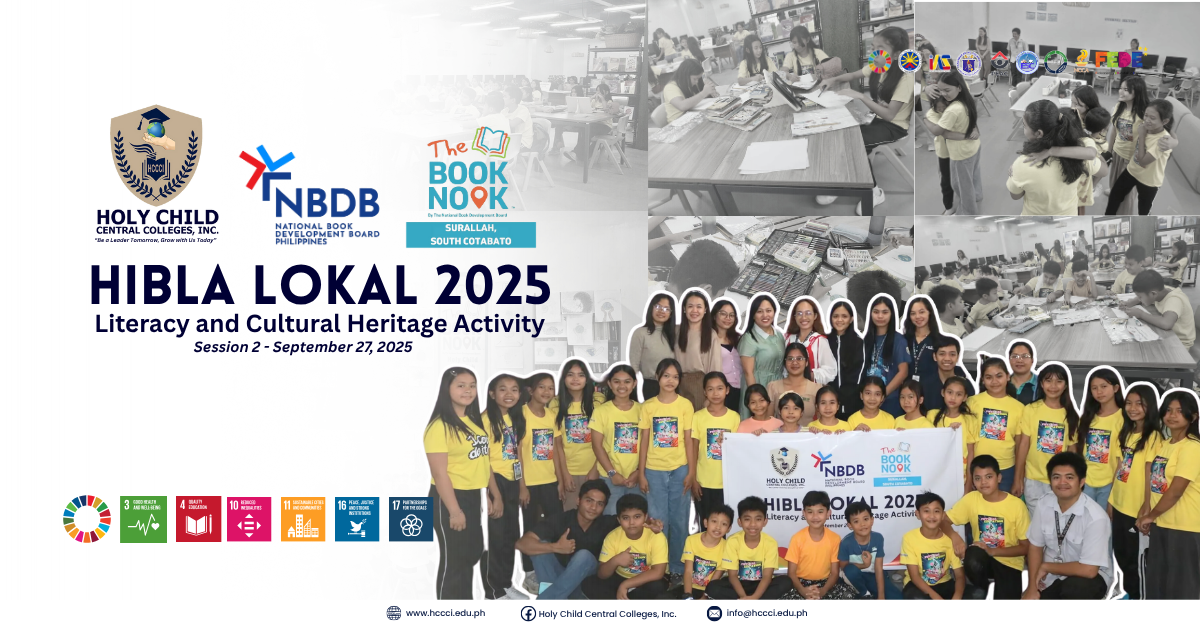
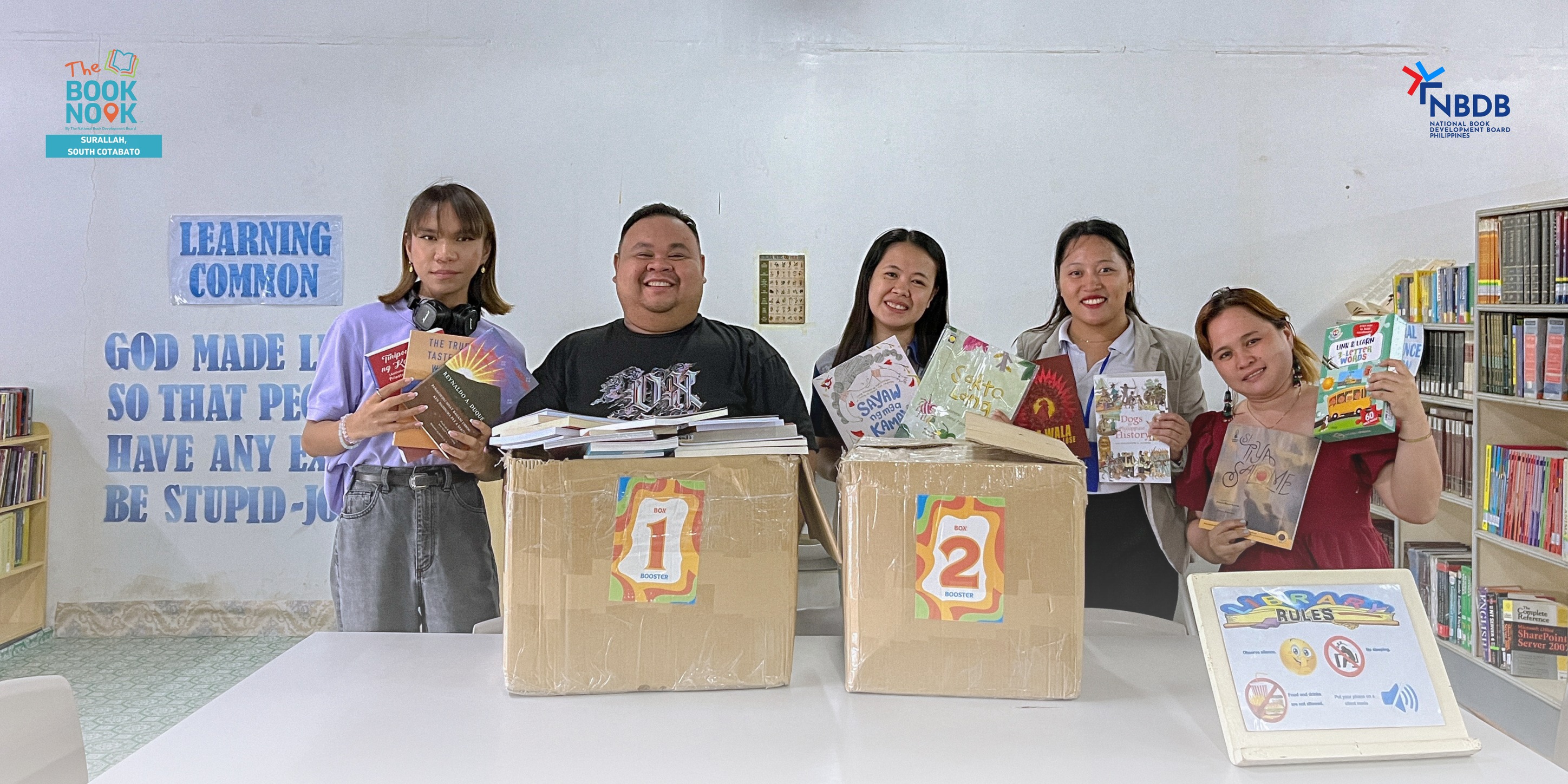
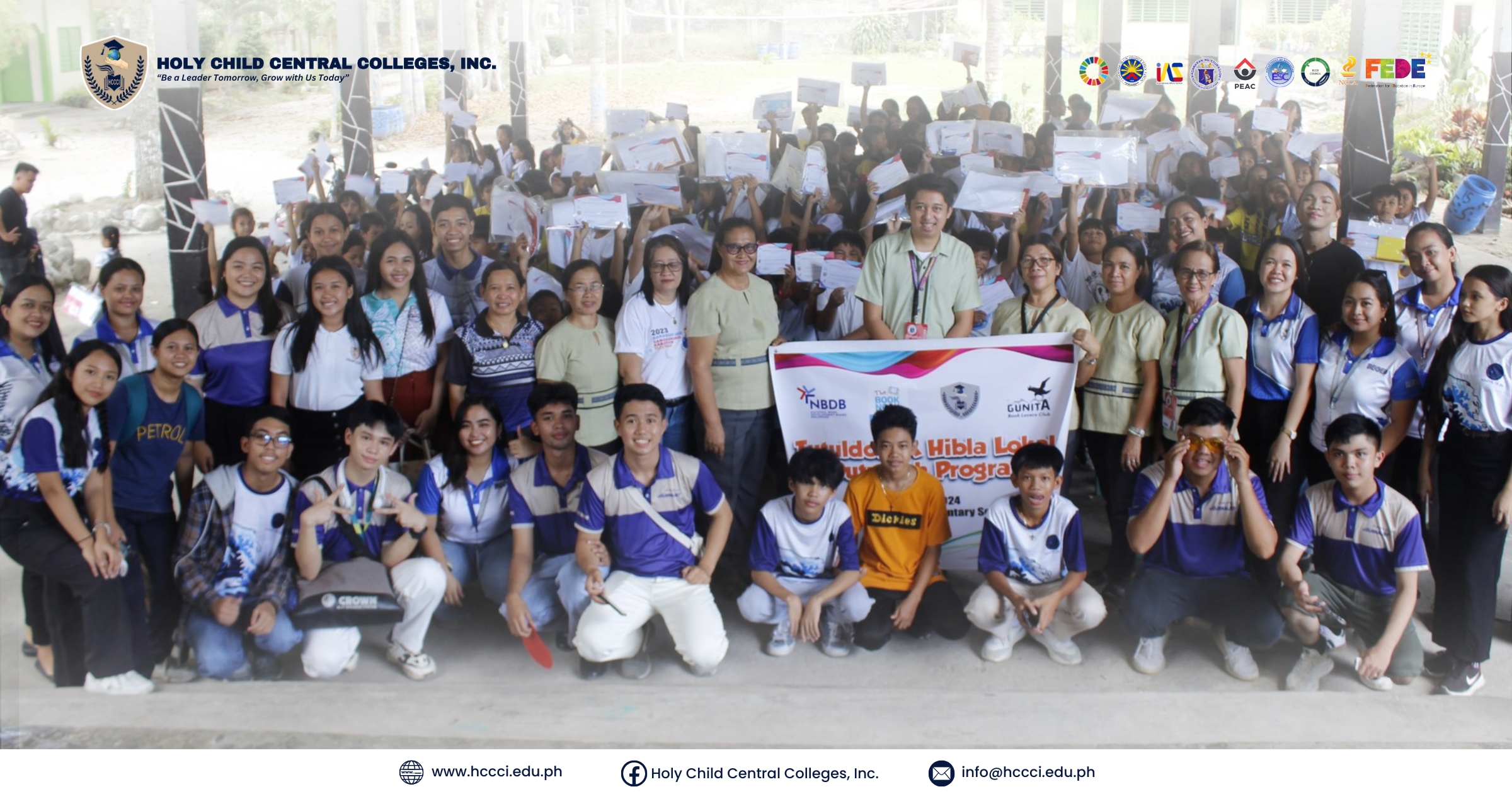
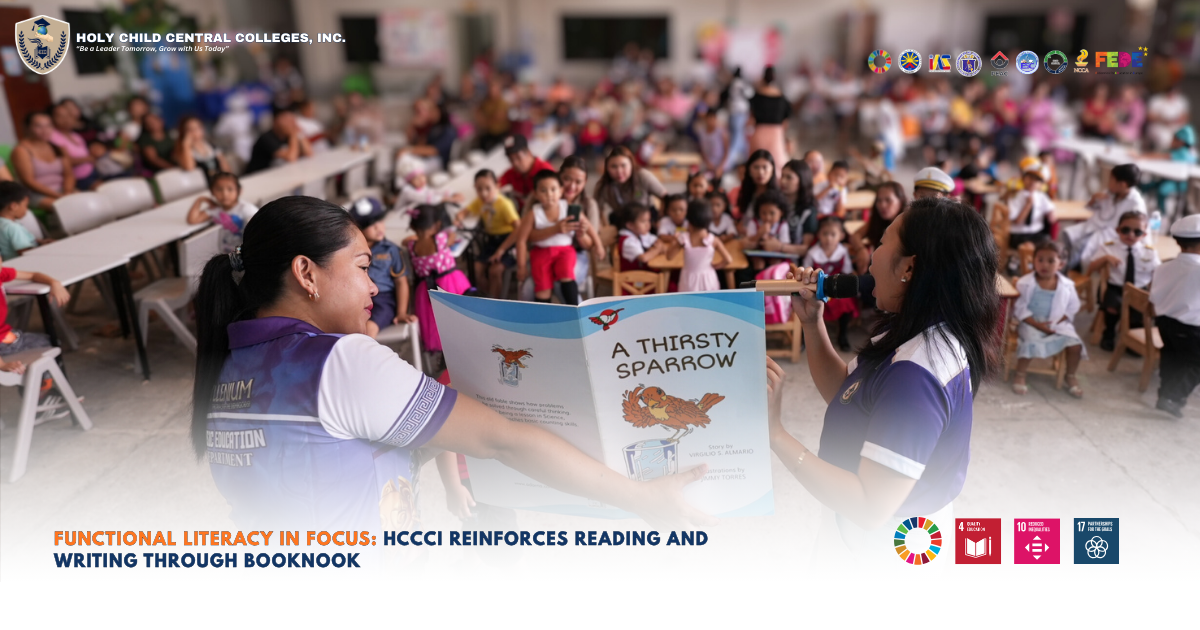
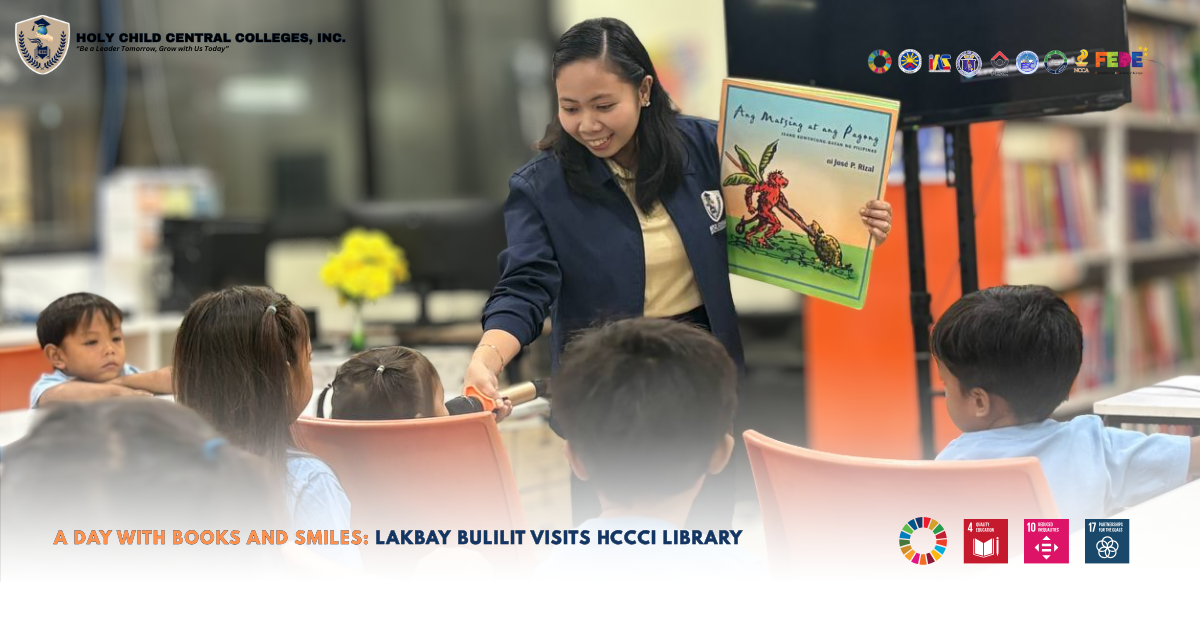
On May 6, 2024, Holy Child Central Colleges, Inc. (HCCCI), through its Library Department, Gunita: A Book Lovers Club, the HCCCI Supreme Student Government (SSG), and Book Nook–HCCCI–Surallah, successfully carried out a heartwarming student volunteering and literacy outreach mission at DepEd Tayo Lambontong Elementary School. Benefiting children aged 6 to 12, the initiative—Hibla Lokal Project–TuTuldok: Leaving a Mark One Community at a Time—was designed to inspire young learners to dream, imagine, and create through storytelling, writing, and the arts.
Grounded in the belief that literacy and imagination are tools for empowerment, HCCCI’s student and faculty volunteers brought stories to life through interactive reading sessions, creative writing activities, and arts-based learning. These community-centered engagements reinforced Filipino values, resilience, and the importance of cultural identity.
Supported by the National Book Development Board–Philippines (NBDB), HCCCI and Book Nook–Surallah shared a commitment to nurturing a culture of reading and creativity among the youth of Lambontong. NBDB-donated and locally curated books offered the children access to diverse narratives and Filipino-authored stories that celebrate heritage and local pride.
What sets Book Nook–Surallah’s approach apart is its culturally grounded and community-focused storytelling model. Each activity aimed not only to strengthen reading comprehension but also to deepen appreciation for Filipino traditions and community narratives. Through the generosity of Book Nook–Surallah, the elementary school became a vibrant space filled with joy, curiosity, and discovery.
The event underscored the vital role of collaboration between educational institutions, government agencies, and community organizations in delivering meaningful and accessible learning experiences. By extending its learning mission beyond the campus, HCCCI reaffirmed its dedication to serving the wider community, demonstrating that education flourishes where compassion and curiosity meet.
This initiative clearly fulfills the indicator: HCCCI, as a university body, conducts dedicated outreach educational activities for the wider community, particularly local residents and school-aged children. Through this student volunteering program, HCCCI extends learning opportunities to underserved communities, promoting inclusive, equitable, and lifelong learning aligned with SDG 4 (Quality Education). It also contributes to SDG 10 (Reduced Inequalities) by making literacy resources, creative spaces, and culturally rooted learning accessible to children who may otherwise have limited exposure.
Looking ahead, HCCCI continues its commitment to community empowerment by supporting NBDB’s vision of expanding Book Nook sites nationwide. These hubs serve as creative, literacy, and cultural engagement centers for residents, keeping storytelling alive and accessible. Through sustained partnerships and dedicated student volunteerism, HCCCI remains steadfast in nurturing communities through knowledge, creativity, and compassion—leaving a mark, one story and one child at a time.
𝐇𝐂𝐂𝐂𝐈 𝐭𝐨 𝐈𝐧𝐭𝐫𝐨𝐝𝐮𝐜𝐞 𝐒𝐃𝐆-𝐈𝐧𝐭𝐞𝐠𝐫𝐚𝐭𝐞𝐝 𝐌𝐢𝐜𝐫𝐨-𝐂𝐫𝐞𝐝𝐞𝐧𝐭𝐢𝐚𝐥𝐢𝐧𝐠 𝐭𝐨 𝐌𝐞𝐚𝐬𝐮𝐫𝐞 𝐚𝐧𝐝 𝐑𝐞𝐜𝐨𝐠𝐧𝐢𝐳𝐞 𝐒𝐭𝐮𝐝𝐞𝐧𝐭 𝐒𝐮𝐬𝐭𝐚𝐢𝐧𝐚𝐛𝐢𝐥𝐢𝐭𝐲 𝐋𝐢𝐭𝐞𝐫𝐚𝐜𝐲
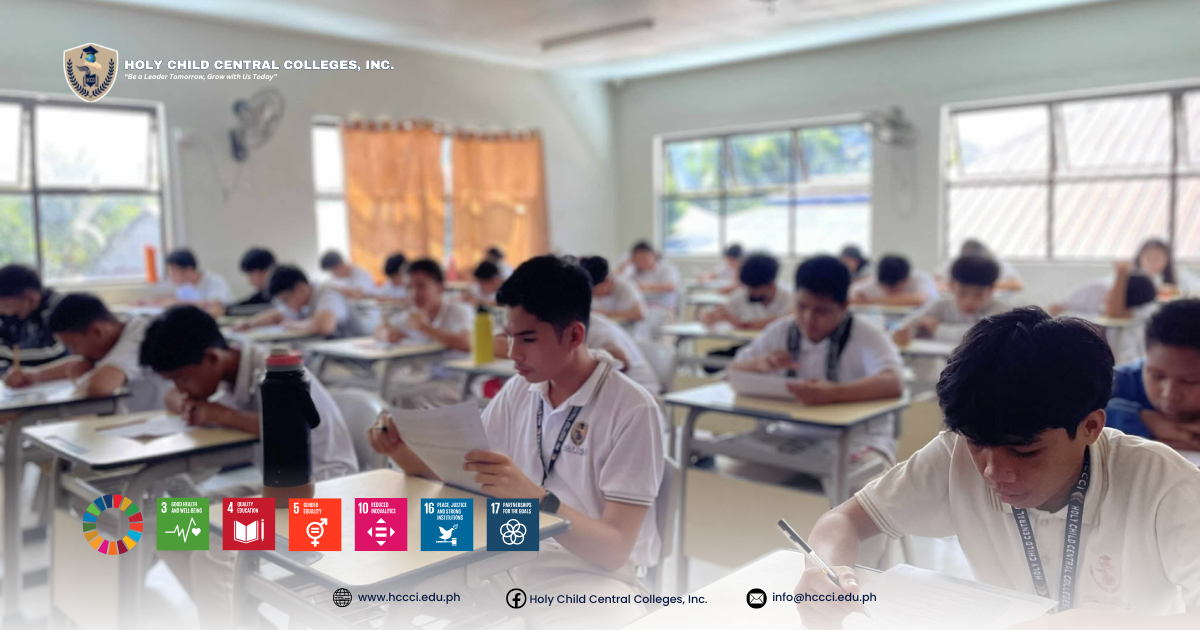
Holy Child Central Colleges, Inc. (HCCCI), through its International Relations Office (IRO) and the ORBIT Flagship Program–Opportunities for Reskilling, Bridging, Internationalization, and Training, is proud to introduce an innovative initiative that measures and enhances student sustainability literacy while recognizing achievements in real-world SDG engagement.
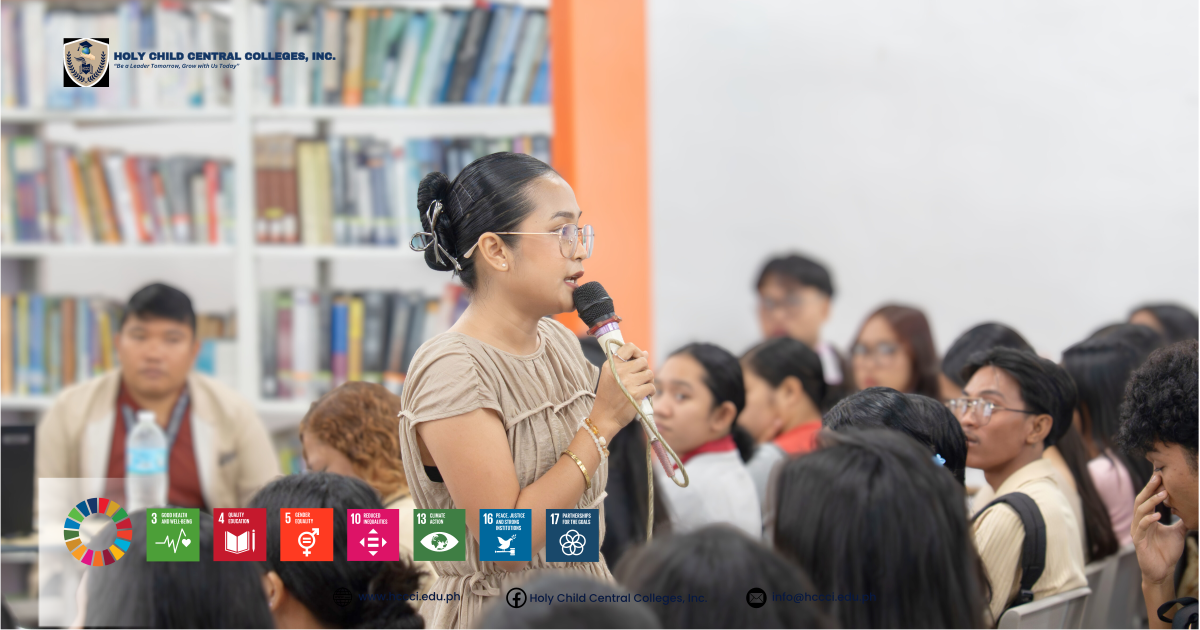
In partnership with Classify, Inc., a trusted IT solutions provider, HCCCI has developed an SDG-integrated micro-credentialing system that allows students to earn digital badges and certifications for participation in programs, projects, and activities aligned with the United Nations Sustainable Development Goals (SDGs). Through this system, students gain measurable insight into their knowledge, skills, and contributions related to global priorities, including SDG 3 (Health and Well-being), SDG 4 (Quality Education), SDG 5 (Gender Equality), SDG 8 (Decent Work and Economic Growth), SDG 10 (Reduced Inequalities), and SDG 17 (Partnerships for the Goals).
A central feature of the program is the student sustainability portfolio, which tracks milestones, participation, and achievements in SDG-aligned initiatives. This portfolio provides a tangible measure of sustainability literacy, allowing students to reflect on their learning, demonstrate competence, and showcase their contributions to colleges, employers, and the wider community.
Beyond measurement, the ORBIT Flagship Program cultivates leadership, collaboration, critical thinking, and social responsibility, helping students translate SDG knowledge into meaningful actions within their communities. The initiative also fosters lifelong learning, encouraging students to continuously engage with sustainability challenges and global development priorities.
For parents and the HCCCI community, this micro-credentialing system offers assurance that students are not only academically proficient but also knowledgeable, responsible, and empowered global citizens. By formally measuring sustainability literacy, HCCCI demonstrates its commitment to holistic education, where learning, impact, and recognition go hand in hand.
Through the ORBIT Flagship Program, HCCCI empowers students to understand, measure, and apply their sustainability knowledge, preparing them to lead, innovate, and make a tangible difference in a rapidly changing world.